Adapting Through the Pain: Writing with Trigger Finger
Tuesday, March 31, 2026
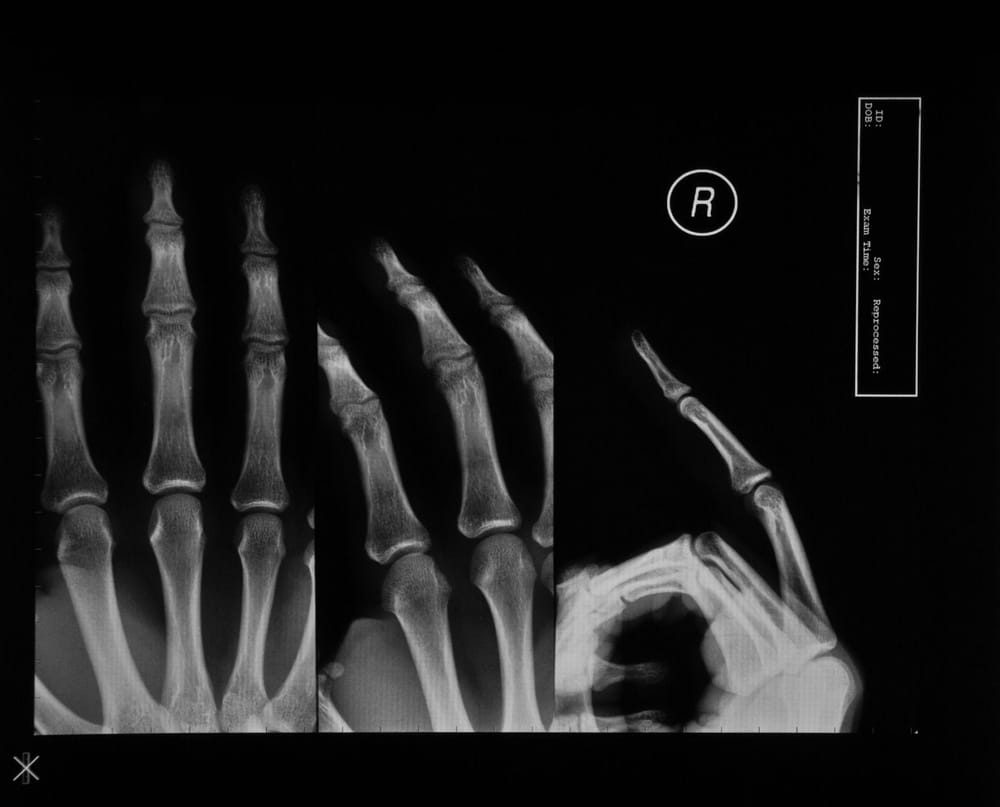
The first sign came on a Tuesday morning in October - a quiet, unremarkable morning that smelled of wet leaves and old paper. I was three chapters into my fourteenth book, deep in the kind of creative flow that writers spend entire careers chasing, when my right little finger refused to straighten. It locked in place, curled toward my palm like a parenthesis that had forgotten how to close. I stared at it the way you stare at a flat tire on the highway: with disbelief, then irritation, then the slow, sinking understanding that your plans have just changed.
Trigger finger. That's what the doctor called it, as though my hand had developed a mind of its own and decided to take aim at my writing career. The tendon sheath in my finger had become inflamed, he explained, causing the digit to catch and lock when I bent it. Common in people who perform repetitive gripping motions. Common, he said, in people my age.
My age. There it was - the phrase that lands like a stone in still water, sending ripples through every assumption you've ever made about yourself.
The Bargain We Make With Our Bodies
When you're young, your body is a silent partner. It shows up, does its job, and never sends an invoice. You type for eight hours straight, sleep four, and wake up ready to do it again. Your fingers fly across the keyboard like small, obedient birds. You don't think about tendons or joints or the delicate architecture of a human hand any more than you think about the plumbing in your walls - until something leaks.
Thirteen books. Thirteen times I had poured myself into manuscripts - through late nights and early mornings, through doubt and revision and the peculiar loneliness of building worlds that exist only in your head. My hands had been there for every single word. And now, at the threshold of number fourteen, one of them was staging a quiet rebellion.
The pain wasn't dramatic. It wasn't the kind of pain that makes you gasp or cry out. It was subtler than that - a dull, persistent ache that threaded itself through every keystroke, a clicking sensation that turned the simple act of typing into a negotiation. Can I finish this paragraph before I need to stop? Can I push through one more page?
The answer, increasingly, was no.
The Grief Nobody Warns You About
There's a particular kind of grief that comes with losing a capability you've always taken for granted. It's not the grief of losing a person or a place - it's the grief of losing a version of yourself. The version who could write for six uninterrupted hours. The version who never had to ice his hand between chapters. The version who thought the only obstacles to finishing a book were creative ones.
I spent the first two weeks angry. I was angry at my hand, angry at the diagnosis, angry at the calendar for having the audacity to keep turning its pages. I sat at my desk and glared at my manuscript like it had personally offended me. The characters I'd been building waited patiently inside the document, frozen mid-sentence, while I wrestled with something they would never understand: the fear that the story might not get finished.
That fear - the fear of an unfinished story - turned out to be the thing that saved me. Because if there's one thing a writer cannot abide, it's an unresolved narrative. We are, by nature, people who need to know how things end. And I was not about to let my story end with a locked finger and a blinking cursor.
Learning to Write Again - Differently
Adaptation, I've learned, is rarely graceful. It's clumsy and frustrating and full of false starts. It looks nothing like the inspirational posters suggest. There is no sunrise behind the silhouette of a person triumphantly raising their fists. There is, instead, an older than middle-aged writer sitting in his office at 6 a.m., talking into a voice recorder while his cat judges him from the bookshelf.
Voice-to-text software became my reluctant companion. I say reluctant because the software and I did not get along at first. It interpreted my character's name, "Marguerite," as "my great wheat" on no fewer than eleven occasions. It turned dramatic dialogue into grocery lists. It had no understanding of punctuation, mood, or the difference between "there," "their," and "they're." But slowly - painfully slowly - we found a rhythm.
I also made other changes, smaller ones that added up:
- Shorter writing sessions - forty-five minutes instead of three hours, with stretching breaks built in like intermissions
- An ergonomic keyboard that looked like it belonged on a spaceship but kept my wrists at a gentler angle
- A finger splint I wore at night, which made me feel like a knight preparing for a very boring battle
- Dictating first drafts aloud, then editing by hand in careful, measured intervals
The Parallel Nobody Talks About
Here's the thing about writing a novel: it's already an exercise in adaptation. Every book teaches you that your first plan won't survive contact with the actual story. Characters refuse to do what you've outlined for them. Plot threads tangle. The ending you envisioned in chapter one looks nothing like the ending that emerges in chapter thirty. You learn, book after book, to hold your plans loosely - to follow the story where it wants to go, even when that means abandoning the path you'd mapped.
Aging, it turns out, asks the same thing of us.
We map out our lives with the assumption that our bodies will cooperate indefinitely. We build routines around capabilities we treat as permanent. And then, one ordinary Tuesday, a finger locks, or a knee aches, or the fine print on the medicine bottle becomes genuinely impossible to read - and we're asked to revise. Not to quit. Not to abandon the story. Just to find a different way to tell it.
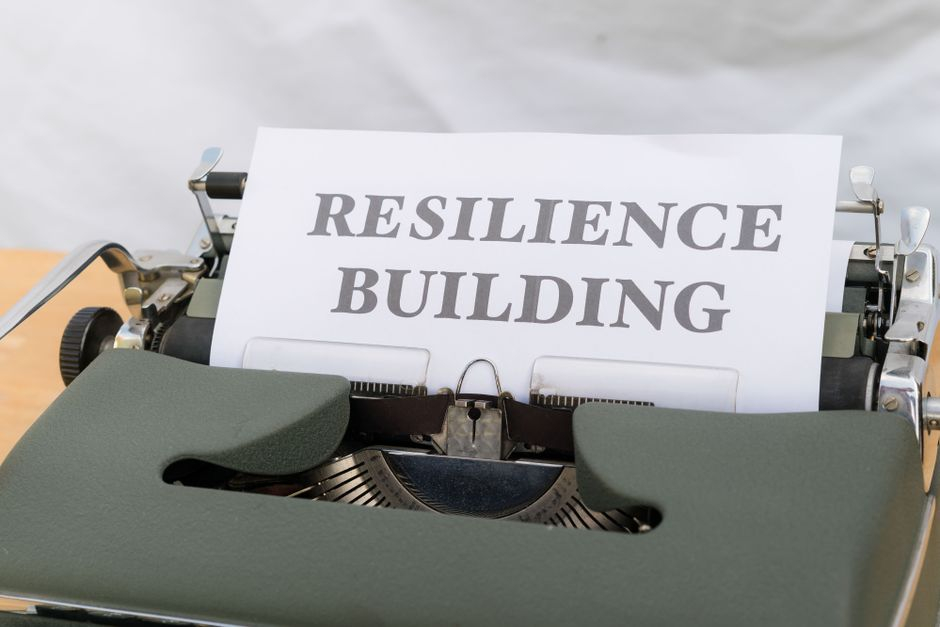
"Resilience isn't the absence of struggle. It's the decision to keep writing the next sentence anyway."
I think about this parallel constantly now. Every time I catch myself mourning the writer I used to be - the one with the tireless hands and the marathon sessions - I remind myself that he also didn't know what I know now. He hadn't yet learned to dictate a scene to a voice recorder without laughing. He hadn't discovered that reading his words back out loud could reveal rhythms in the prose he'd never noticed on screen. He hadn't been forced to slow down enough to hear the story more clearly.
What the Fourteenth Book Taught Me
I'm writing this from the other side of the struggle - not because the struggle is over, but because I've stopped waiting for it to end before I claim the victory. The fourteenth book is nearly finished. It took longer than any book before it. It was written in fragments, in dictated bursts, in careful limited-finger typing sessions, in whispered paragraphs spoken into my phone while walking at dusk.
And you know what? It might be the best thing I've ever written.
Not because pain is a gift - I'm deeply suspicious of anyone who romanticizes suffering. Pain is pain. It's inconvenient and exhausting and it makes you irritable at dinner parties. But limitation, I've discovered, is a surprisingly effective editor. When every sentence costs something, you make sure each one earns its place. When you can't write for hours on end, you learn to arrive at the page with sharper intention. You stop wasting words because you can't afford to waste motion.
The trigger finger still clicks. Some mornings it locks, and I have to gently coax it open with my other hand, like persuading a stubborn drawer. The pain when it "snaps" is actually more severe, as it swells even at night. The cortisone shots help. The exercises help. The splint helps. But mostly, what helps is the decision I made on that Tuesday morning in October, after the initial shock had faded and the self-pity had run its course:
I am a writer. This is what I do. And I will find a way to keep doing it - not despite my body, but with it, in whatever form it takes.
A Note to Anyone Facing Their Own Locked Finger
Maybe your locked finger isn't literal. Maybe it's a bad knee that ended your running habit, or fading eyesight that's changed how you read, or a back that's redefined your relationship with gardening. Maybe it's something bigger - a diagnosis, a loss, a door that closed when you weren't looking.
Whatever it is, I want you to know this: the story isn't over. It's just entering a new chapter - one you didn't outline, one that requires a different kind of courage than the chapters that came before. The courage to adapt. The courage to be a beginner again. The courage to let go of how things were supposed to work and discover how they actually can.
Fourteen books in, and I'm still learning how to write. I suspect I always will be. And honestly? That might be the most hopeful thing I've ever put on a page.
If this story resonated with you, I'd love to hear about your own moments of adaptation. The locked fingers, the unexpected detours, the chapters you never planned to write. Because if there's one thing I've learned from fourteen books and one stubborn tendon, it's that the best stories are never the ones that go according to plan.
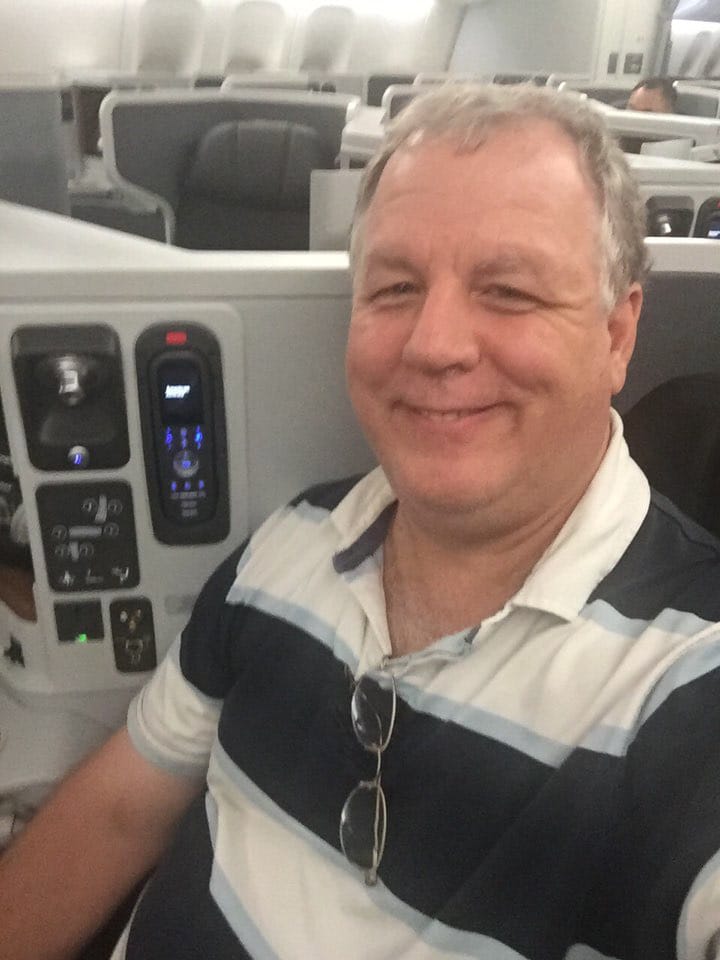
Hi, I'm Tim Hewitt
CEO of AuthorHub.io
I won my first writing scholarship in high school by beating more than 300 other writers in a nationwide contest, and that award gave me something money couldn't buy: the belief that my words mattered. Since then I've spent decades learning what makes writing work: how to find your voice, how to keep readers turning pages, marketing that really sells books, and how to spot the small craft problems that quietly sink good stories. This blog is where I share everything I've picked up along the way.