Audiobook Basics: Your Complete Guide to Getting Started
Monday, October 26, 2026
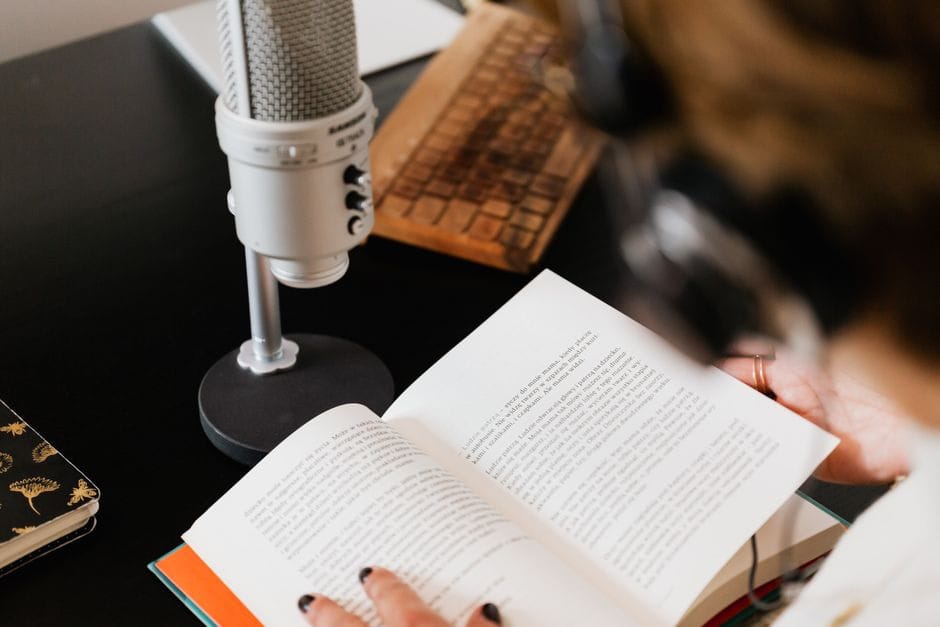
"How do I get an audiobook made?" might be the single most common question we hear from authors, and honestly, it makes sense. Audiobooks feel intimidating. The pricing is opaque, the platforms have confusing names, and everyone seems to assume you already know what a "per-finished-hour rate" is.
Y'all don't need to know all of that yet. What you need is a map.
This post walks through every major path, narrating it yourself, hiring a human narrator, or using AI, plus where to get it made and distributed, how to hire well, and a self-hosting option most authors don't know exists. By the end, you should be able to pick the path that fits your budget and your book, instead of just closing the tab and putting it off for another year.
The Big Decision: DIY, Hire a Human, or Use AI
Before you touch a single platform, you need to decide who is actually going to narrate the book. This decision drives almost everything else, cost, timeline, and which distribution route makes sense.
Narrate It Yourself
If you wrote a memoir or nonfiction book, your own voice can be a genuine asset. Readers often want to hear the author's authentic perspective, and there's something to be said for full creative control.
- Free (aside from equipment)
- Total control over pacing and tone
- Authentic fit for memoir and personal nonfiction
- Time-consuming, recording and editing take far longer than you'd expect
- Requires a decent microphone, a quiet space, and basic editing skills
- Fiction with multiple characters is genuinely hard to pull off well solo
Hiring a Professional Narrator
This is the gold standard for fiction, especially anything with distinct characters, emotional range, or a genre where listeners have high expectations (romance and thriller audiences are notoriously picky about narration quality).
- Highest overall quality and polish
- Skilled voice actors offer differentiation for multiple characters
- Professional pacing, emotion, and performance
- The main barrier is cost
- Typical rates run roughly $200 to $500+ per finished hour depending on experience and genre
- A full novel can easily run $2,000 to $6,000 or more
"Per finished hour" refers to the length of the final audiobook, not how long it took to record. A typical novel produces roughly one finished hour per 9,300 words, so a 90,000 word novel usually lands around 9 to 10 finished hours.
AI Narration
AI narration has improved dramatically and is now a legitimate option, particularly for nonfiction, how-to books, and budget-conscious fiction authors who want to test the format before investing heavily.
- Very affordable compared to human narration
- Fast turnaround, often days instead of months
- Solid fit for nonfiction and single-narrator books
- Still catching up on emotional nuance and multi-character dialogue
- Some retailers and platforms have restrictions or disclosure requirements
- Acceptance varies by platform and is changing quickly, so check current policies before committing
Where to Get It Made and Distributed
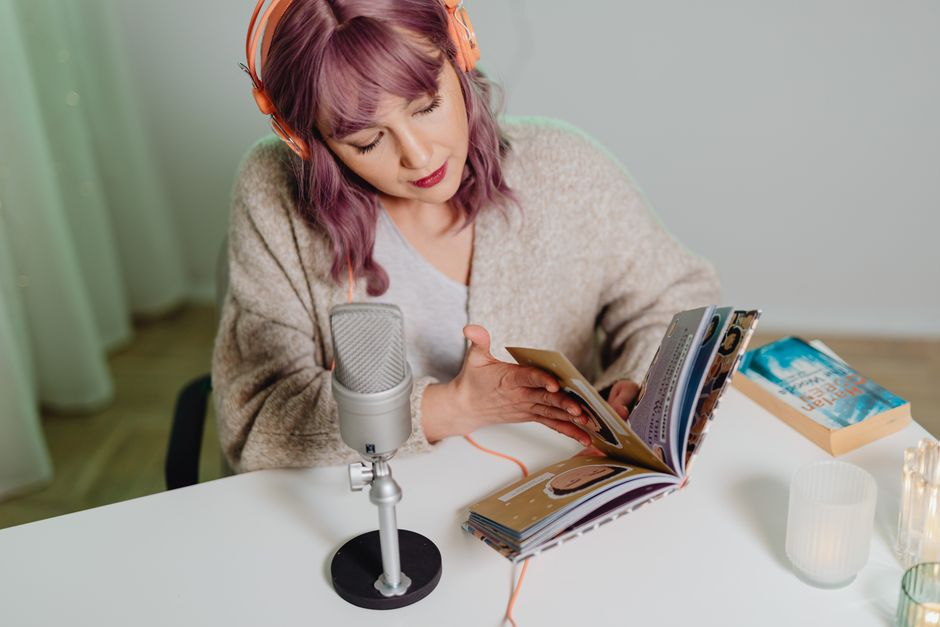
Once you've decided who's narrating, you need a platform to produce (or upload) the audiobook and get it in front of listeners. Here's how the major options stack up.
ACX (Audible / Amazon)
ACX is free to use and gives you access to a large marketplace of narrators you can audition directly. You can choose royalty share (no upfront cost, split earnings with the narrator) or pay the narrator upfront and keep all royalties yourself.
The catch: ACX distribution is largely exclusive to Audible, Amazon, and iTunes unless you specifically choose the non-exclusive option, which pays lower royalty rates in exchange for the freedom to distribute elsewhere too.
The revenue share option sounds attractive on the surface, however you are locked into ACX exclusively for 7 years, your royalties are lower and you split them 50/50 with the narrator, resulting in only 20% or so in your pocket. There is a smaller pool of interested narrators, mostly new ones trying to gain experience. This can result in lower sales overall and a real disillusionment with the potential audio book revenue.
Findaway Voices (now part of Spotify)
Findaway distributes widely, Spotify, Apple Books, libraries via Hoopla and OverDrive, and dozens of other retailers in one submission. It's non-exclusive by nature, making it the better fit for authors who want reach beyond just Audible, especially library visibility, which matters a lot for discoverability.
Other Options
Spotify for Authors now offers direct upload access to some authors. Other agregators also exist like Author's Republic, PublishDrive and Voicesd by INaudio. They will upload to a wide range of sites. Other sites allow direct upload as well like Kobo and Google Play Books. And if you'd rather work outside these platforms entirely, freelance marketplaces like Fiverr or Upwork connect you with independent narrators and producers you can hire and pay directly.
Quick guidance: choose ACX if you're building an Audible-focused strategy and want easy access to narrator auditions. Choose Findaway or an aggregator if wide distribution and library reach matter more to you than Audible exclusivity.
How to Actually Hire a Narrator
If you're going the professional route, here's how to do it without gambling on a bad fit.
- Write a clear casting call: genre, tone, a brief character breakdown, and a few sample pages
- Request auditions using a short excerpt, a page or two that includes dialogue
- Listen closely for pacing, character differentiation, emotional range, and clean audio quality
- Check reviews and ratings on ACX, or ask for references directly
- Agree on royalty share versus a flat per-finished-hour rate based on your budget
- Always get a contract and rights terms in writing before recording begins
A great narrator audition doesn't just sound good, it sounds like your book, in your genre, at the pace your readers expect.
The Self-Hosting Option: Selling Audio Directly with BookFunnel
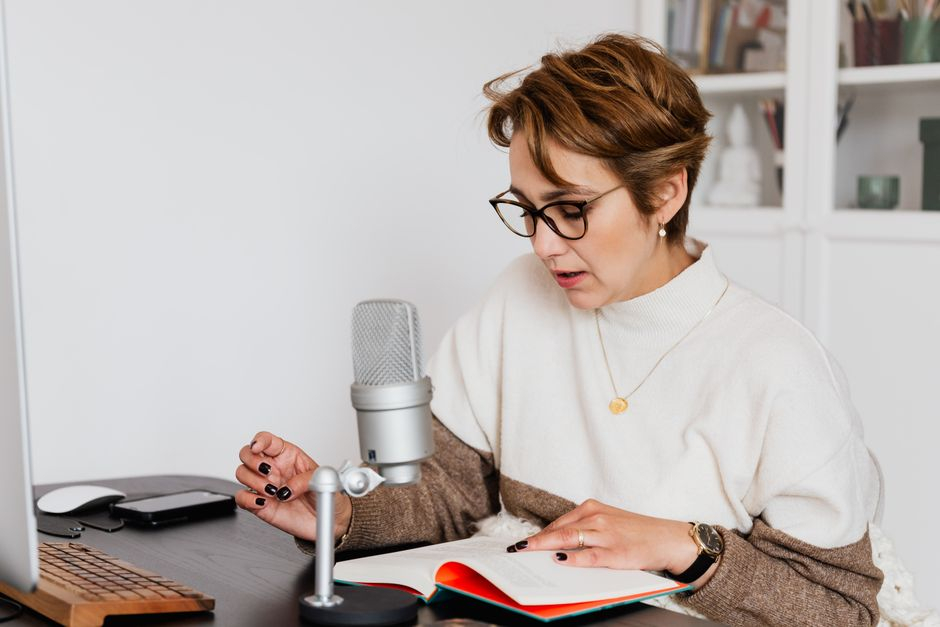
Here's something a lot of authors don't realize: you don't have to rely solely on retailers to sell your audiobook. BookFunnel lets you deliver audiobook files directly to readers who purchase from your own website.
That means keeping 100% of the sale price, no retailer cut. It works especially well for reader magnets, box sets, or a direct sales funnel you're already running through your email list.
This isn't an either/or decision. Selling direct pairs well alongside wide distribution through Findaway or ACX (unless you are royalty share exclusive), it simply gives you another channel and a bigger cut on the sales that happen through your own site.
A Budget-Friendly Starting Point
If a full professional audiobook feels out of reach right now, that's okay. Consider starting smaller: try AI narration, or produce a shorter work first, a novella or short story, to test how audio performs for your audience before investing thousands in a full-length novel.
There's no single right path here.
It genuinely depends on your genre, your budget, and where you want your catalog to be in a year or two. A cozy mystery series might justify a beloved recurring narrator. A niche nonfiction guide might do perfectly well with AI narration and a lower price point.
Pick One Path and Take the First Step
Post a casting call, try an AI narration sample, or spend twenty minutes researching Findaway Voices. Any of these moves you forward more than waiting for "someday."
Want more on getting your book into readers' hands? Check out other Backlist posts on book production and marketing for practical, no-hype guidance on the next step in your publishing journey.
Hi, I'm Tim Hewitt
CEO of AuthorHub.io
I won my first writing scholarship in high school by beating more than 300 other writers in a nationwide contest, and that award gave me something money couldn't buy: the belief that my words mattered. Since then I've spent decades learning what makes writing work: how to find your voice, how to keep readers turning pages, marketing that really sells books, and how to spot the small craft problems that quietly sink good stories. This blog is where I share everything I've picked up along the way.