Audiobook Narration: Hiring a Voice Actor vs. AI - What Every Author Needs to Know
Thursday, July 30, 2026
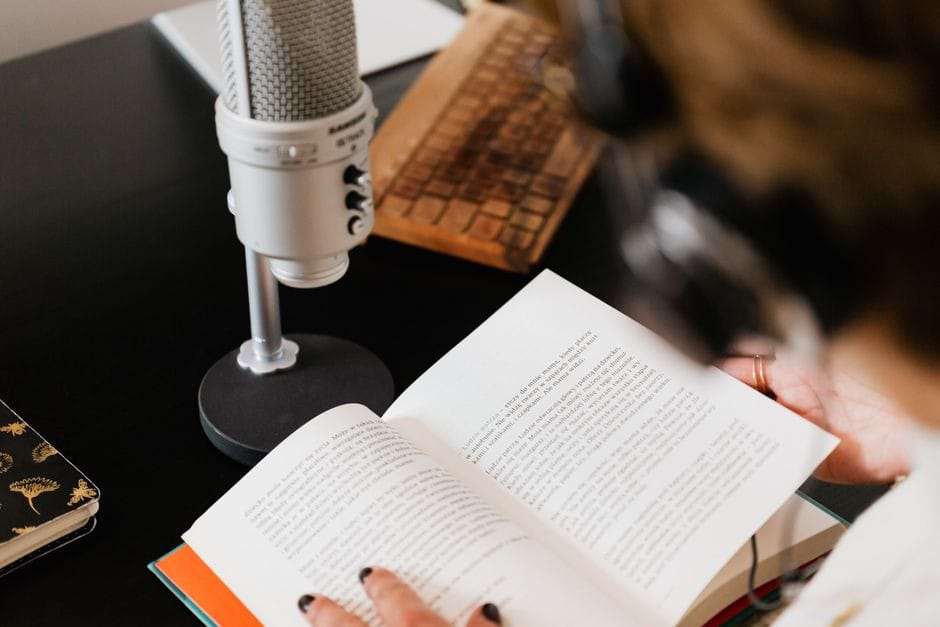
The audiobook market isn't a niche anymore. It's a mainstream, rapidly growing revenue stream - and for self-published authors, it represents one of the most significant untapped opportunities sitting right in front of them. According to the Audio Publishers Association, audiobook sales have grown for over a decade straight, with revenue now exceeding $1.8 billion annually in the US alone. Listeners are commuting, exercising, cooking, and falling asleep to audiobooks every single day.
If your book doesn't have an audio version, you're leaving real money - and real readers - on the table.
But here's where it gets complicated: who narrates? Do you record it yourself? Hire a professional voice actor? Or let AI handle it? Each path has real tradeoffs, and the right answer depends on your genre, your budget, your timeline, and your distribution goals. This post breaks down all three options honestly - no hype, no fluff - so you can make the decision that's right for your book.
Section 1: Should YOU Narrate Your Own Book?
Let's start with the most obvious question: can you just do it yourself? The honest answer is - maybe. Some authors are genuinely well-suited to narrating their own work. Others absolutely are not. And both outcomes are completely fine.
The Case For Narrating Your Own Book
- Authenticity: Nobody knows your characters, your pacing, or your intended tone better than you do. Readers who already love your voice in print may feel a genuine connection hearing you read it aloud.
- No upfront cost: Beyond equipment (more on that in a moment), you're not paying anyone. For budget-conscious indie authors, this is a significant advantage.
- Creative control: Every pause, every emphasis, every emotional beat - it's yours to shape exactly as you imagined it.
- Direct reader connection: Especially for non-fiction, memoir, or personal development, hearing the author's actual voice can be a powerful experience for listeners.
The Case Against Narrating Your Own Book
- Equipment matters - a lot: A USB microphone plugged into your laptop won't cut it for professional distribution. You need a quality condenser microphone, an audio interface, acoustic treatment for your recording space, and recording/editing software like Audacity or Adobe Audition.
- A quiet space is harder than it sounds: HVAC hum, street noise, barking dogs, and refrigerator buzz will all show up in your recording. Many home setups fail this test.
- Editing is a real skill: Removing mouth clicks, breaths, stumbles, and inconsistencies takes hours - sometimes more time than the recording itself.
- Not every voice is suited for long-form narration: Reading aloud engagingly for 6–10+ hours is a performance skill. Some people have it naturally; most need significant practice.
- ACX has strict technical specs: Your finished files must meet specific standards for noise floor, peak levels, and room tone. Rejection is common for first-timers.
The bottom line: self-narration is a legitimate path, but it has a steep learning curve. If you're seriously considering it, we've covered the full process equipment, recording, editing, and meeting distributor specs in a dedicated guide. It's worth reading before you invest in gear.
Not sure if your voice is right for narration? Record yourself reading a chapter aloud and listen back critically. Better yet, share it with a trusted reader. That honest feedback is worth more than any equipment list.
Section 2: Hiring a Professional Voice Actor
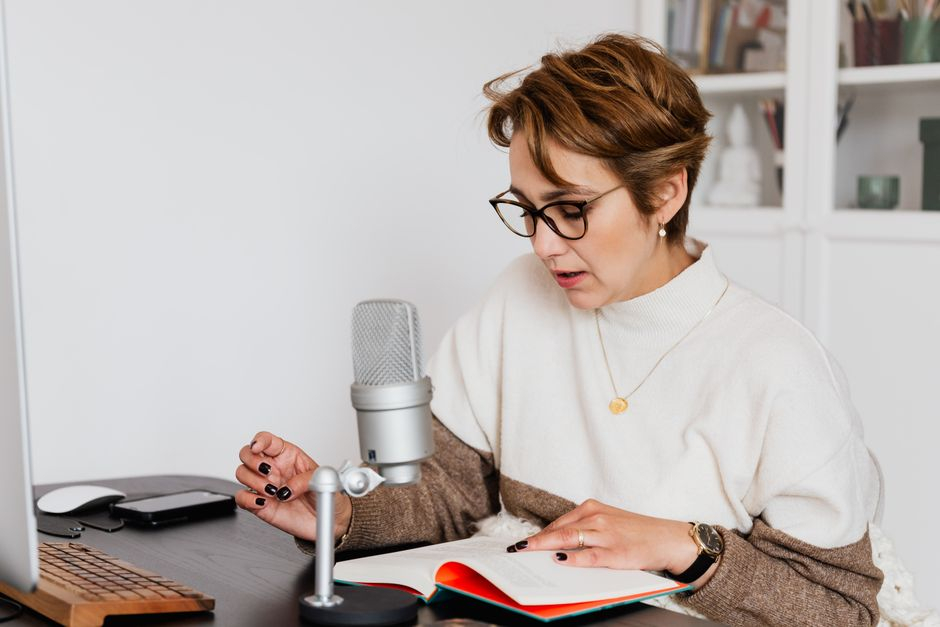
For most authors, hiring a professional narrator is the gold standard. A great voice actor brings your story to life in ways that even the best self-narration often can't match - they're trained performers who understand pacing, character differentiation, and emotional delivery. Here's where to find them and what to expect.
ACX - Audiobook Creation Exchange (Amazon's Platform)
ACX is Amazon's dedicated marketplace for connecting authors with voice actors and audio engineers. It's the most widely used platform in the audiobook production world, and for good reason - it's deeply integrated with Audible and Amazon distribution.
How it works: You create a project listing, upload a sample of your manuscript as an audition script, and voice actors submit auditions. You review, select your narrator, agree on payment terms, and production begins. ACX handles the contract and payment processing.
Two Payment Models
- Royalty Share: The voice actor narrates your book in exchange for a share of royalties (typically 20% of ACX royalties) rather than upfront payment. No out-of-pocket cost to you - but this option requires you to go exclusive with ACX/Audible for 7 years, and you'll need to attract a narrator willing to bet on your book's sales potential.
- Pay for Hire: You pay the narrator a flat rate per finished hour (PFH) of audio. Industry rates typically range from $150 to $400 per finished hour, though experienced or in-demand narrators can charge more. A 70,000-word novel typically produces 7–9 finished hours of audio.
Pros of ACX: Large, established talent pool. Seamless integration with Audible and Amazon distribution. Built-in quality control review process. Clear contracts and payment protection.
Cons of ACX: Royalty Share locks you into Amazon exclusivity - a significant tradeoff. The platform can move slowly. Finding narrators for niche genres, accents, or specific voices can be challenging. Pay-for-hire costs add up quickly for longer books.
Tips for writing your audition script: Choose 2–3 pages (maximum) that include both narration and character dialogue. Pick a scene with some emotional range - not the opening pages, which tend to be expository. Include any unusual character names or terminology and note how they should be pronounced. A strong audition script attracts stronger narrators.
Findaway Voices (Now Spotify for Authors)
Findaway Voices was acquired by Spotify and rebranded, but its core function remains the same: it's a production and distribution platform that connects authors with professional narrators and distributes to 40+ retailers and library platforms - including Audible, Apple Books, Google Play, Scribd, Hoopla, OverDrive, and more.
How it works: Similar audition process to ACX. You post your project, receive auditions, select a narrator, and Findaway manages production and distribution. The key difference: Findaway distributes widely, not just to Amazon.
Pros: Wide distribution to 40+ platforms. Non-exclusive - you keep full distribution control. Strong narrator marketplace. Good for authors pursuing a "go wide" strategy.
Cons: No royalty share option - you pay upfront for production. Per-hour rates are similar to ACX pay-for-hire. Less name recognition among narrators than ACX, though the talent pool is solid.
The ACX vs. Findaway decision often comes down to one question: are you Amazon-exclusive, or do you want to go wide? If you're already publishing wide with your ebooks, Findaway is the natural audiobook companion.
Fiverr and Freelance Platforms
Fiverr, Voices.com, Voice123, and similar platforms offer voice actors at a wide range of price points. You can find genuinely talented narrators here - sometimes at rates well below what you'd pay on ACX or Findaway. You can also find work that sounds exactly like what you paid for.
Tips for vetting freelance narrators:
- Listen to their existing samples carefully - not just for voice quality, but for pacing, character differentiation, and emotional range.
- Before committing to a full project, request a short paid audition using 2–3 pages from your actual manuscript. Any professional narrator will agree to this.
- Check reviews thoroughly. Look for patterns in feedback, not just star ratings.
- Clarify technical specs upfront: file format, noise floor requirements, revision policy, and delivery timeline.
- Get everything in writing - scope, revisions, payment terms, and rights.
The risk with freelance platforms is accountability. ACX and Findaway have built-in quality review and dispute processes. With Fiverr, you're largely on your own if something goes wrong. That said, hidden gems absolutely exist here - especially for authors with tighter budgets who are willing to do the vetting work.
Section 3: The AI Narration Option
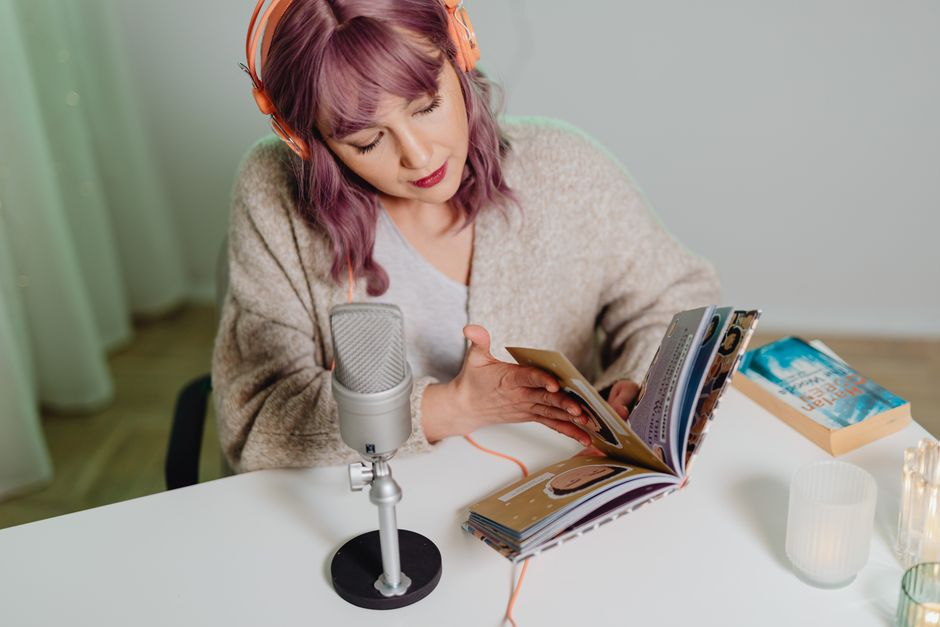
Let's be honest: AI voice technology has improved dramatically in the last two years. Tools like ElevenLabs, Speechify, Murf.ai, and Amazon's own AI narration options can produce audio that, in the right context, sounds remarkably natural. The days of robotic, obviously synthetic voices are largely behind us - at least at the premium end of the market.
But "remarkably natural" isn't the same as "as good as a great human narrator." Not yet. AI voices still struggle with:
- Subtle emotional nuance - the kind of performance that makes a reader cry or laugh out loud
- Differentiating multiple distinct character voices in dialogue-heavy fiction
- Pacing decisions that reflect deep understanding of the story's rhythm
- Authentic accents and dialects without slipping into caricature
Where AI narration works well: Non-fiction, how-to guides, business books, reference material, self-help, and educational content. In these genres, clarity and consistency matter more than emotional performance - and AI delivers both reliably.
Where AI narration falls short: Literary fiction, romance, thriller, horror, and any genre where the reader's emotional journey depends heavily on performance. In these cases, a skilled human narrator is still worth the investment.
Where Do Distributors Stand on AI Narration?
This is evolving quickly, but here's where the major platforms stand right now:
- ACX / Audible (Amazon): Currently requires disclosure of AI narration at upload. Amazon has been cautious about AI content and has specific guidelines in place. They are simultaneously developing their own AI voice tools, so expect their policies to evolve. Disclosure is mandatory - not optional.
- Findaway Voices / Spotify: Accepts AI narration with disclosure. More open policy overall, but transparency with listeners is required. A good option for authors who want wide distribution of AI-narrated titles.
- Draft2Digital / Smashwords: Both are developing audiobook capabilities. AI narration policies are still evolving - check their current guidelines before submitting.
- Apple Books: Requires disclosure of AI-generated content. Evaluates AI narration on a case-by-case basis. Generally accepts it but maintains the right to review and reject.
- Google Play Books: Has their own built-in AI narration tool called "Read Aloud." They accept AI-narrated audiobooks with appropriate disclosure.
The universal requirement: disclosure. Every major platform requires you to disclose when AI narration is used, and this requirement is not going away. It's also the right thing to do - readers and listeners deserve to know what they're purchasing. Build that transparency into your product descriptions from day one.
Human Voice Actor vs. AI Narration: A Side-by-Side Comparison
Here's a quick reference to help you weigh your options at a glance.
Category
Human Voice Actor
AI Narration
Cost
$150–$400+/hr (PFH) or royalty share
Low to moderate (subscription or per-word)
Emotional Depth
Excellent — trained performers
Limited - improving but not there yet
Production Speed
Weeks to months
Hours to days
Best For
Fiction, romance, thriller, literary
Non-fiction, how-to, reference, business
Distribution
All major platforms
All major platforms (with disclosure)
Listener Perception
Universally accepted
Mixed - some listeners prefer human
Disclosure Required
No
Yes - on all major platforms
Section 4: Making the Decision - A Simple Framework
Still not sure which path is right for you? Work through these four questions:
1. What's your budget?
- Tight or zero budget: ACX Royalty Share (if you can attract a narrator) or AI narration are your realistic options. Both can produce quality results with the right approach.
- Moderate budget ($500–$2,000): Pay-for-hire on ACX or Findaway opens up significantly. You can afford a shorter book or a mid-range narrator for a full-length title.
- Flexible budget ($2,000+): You have access to experienced, in-demand narrators on any platform. Consider Findaway for wide distribution with a quality narrator.
2. What's your genre?
- Emotional fiction (romance, thriller, literary, fantasy, horror): Invest in a human narrator. The performance is a core part of the listener experience, and AI will likely disappoint your audience.
- Non-fiction, business, self-help, how-to: AI narration is a genuinely viable option. Clarity and consistency matter more than emotional performance here.
- Children's books or highly illustrated titles: These present unique challenges for any narration format - consult platform-specific guidelines before proceeding.
3. What are your distribution goals?
- Amazon/Audible only (or you're already KU exclusive): ACX is the natural fit. Royalty Share makes sense if you can attract a narrator.
- Wide distribution (libraries, Spotify, Apple, Google, Scribd, etc.): Findaway Voices or AI narration with wide distribution gives you the most reach.
- Testing the waters: AI narration lets you get a title into the market quickly and cheaply to gauge demand before investing in professional production.
- Self Distribution: You can also distribute your audio book yourself using a service like BookFunnel.com. In this case, how you choose to record the audio has no restructions.
4. What's your timeline?
- Need it fast (days to weeks): AI narration or self-narration (if you already have the setup) are your only realistic options.
- Have 2–4 months: ACX or Findaway with a professional narrator. Factor in audition time, production, revisions, and platform review.
- Planning ahead: Start the ACX or Findaway process early. The best narrators book up. Post your audition script 3–4 months before your ideal release date.
Section 5: Getting the Most from Your Voice Actor
Hiring a great narrator is only half the equation. How you work with them determines whether you get a good audiobook or a great one. Here's how to be the kind of author voice actors love to work with — and who gets their best work in return.
- Write clear character descriptions for each voice. Don't assume the narrator has read your whole book before starting. Provide a character sheet: age, background, personality, regional accent (if any), and how their voice should feel - warm, clipped, nervous, authoritative. The more specific, the better.
- Create a pronunciation guide. List every character name, place name, invented word, foreign phrase, and technical term in your manuscript with phonetic pronunciations. This saves everyone time and prevents costly re-records. Example: "Aelindra = AY-lin-drah."
- Request a first-chapter sample before full production begins. Most professional narrators will record the opening chapter for your review before proceeding. This is your chance to course-correct on character voices, pacing, and tone before you're 8 hours deep into production.
- Be available and responsive during recording. Your narrator may have questions about intent, pronunciation, or character moments. A slow response from you creates delays and frustration. Set up a clear communication channel and check in regularly.
- Give specific, constructive feedback. "This doesn't sound right" is not useful feedback. "The character Mira should sound more guarded and clipped - she's hiding something in this scene" is actionable. Narrators are professionals; treat them like creative collaborators, not service providers.
- Do a final proofread of your manuscript before sending it.Every typo, missing word, or formatting error in your script is a problem the narrator has to navigate - and potentially re-record. A clean manuscript is a professional courtesy that saves time and money.
The authors who get the best results from voice actors are the ones who treat the relationship as a creative partnership. Your narrator is bringing your world to life for thousands of listeners - give them the tools to do it well.
The Bottom Line: Audiobooks Are a Revenue Stream You Can't Ignore
The audiobook market now represents a significant and growing share of overall book revenue - and that share is only heading in one direction. For self-published authors, it's one of the most accessible ways to reach new readers, generate passive income, and build a more durable publishing business.
The good news: you have more options than ever. Whether you record it yourself, hire a professional narrator through ACX or Findaway, or use AI to get a title into the market quickly, there's a path that fits your budget, your genre, and your goals. The key is making an informed decision - not defaulting to whatever's cheapest or easiest without understanding the tradeoffs.
Start with one book. Learn the process. Build from there. The authors who are thriving in audio didn't figure it all out at once - they started, made mistakes, got better, and kept going.
At AuthorHub.io, we're committed to helping self-published authors navigate every stage of the publishing journey - including audio. We'll continue publishing practical guides, platform comparisons, and honest advice to help you make the best decisions for your books. Bookmark us, come back often, and don't hesitate to reach out when you have questions.
Your audiobook is waiting to be heard. Let's get it out there.
Ready to explore your audiobook options?
Browse more resources for self-published authors at AuthorHub.io - from formatting and cover design to distribution, marketing, and audio production. We're building the resource hub that indie authors actually need.
Rate information and platform policies are accurate as of publication but may change. Always verify current terms directly with ACX, Findaway Voices, and other platforms before beginning production. AI narration policies in particular are evolving rapidly across all major distributors.

Hi, I'm Tim Hewitt
CEO of AuthorHub.io
I won my first writing scholarship in high school by beating more than 300 other writers in a nationwide contest, and that award gave me something money couldn't buy: the belief that my words mattered. Since then I've spent decades learning what makes writing work: how to find your voice, how to keep readers turning pages, marketing that really sells books, and how to spot the small craft problems that quietly sink good stories. This blog is where I share everything I've picked up along the way.