Book Length Expectations for Different Genres
Friday, May 15, 2026

If you've ever wondered how long your book should be, you're not alone. It's one of the most common questions authors ask - and the answer isn't as straightforward as you might hope. Traditional publishers have long established word count expectations for each genre, driven by production costs, shelf space, and decades of reader behavior data. But if you're a self-published author, you're not bound by those rules. You have the freedom to write a 30,000-word novella or a 200,000-word epic - and publish it on your own terms.
That said, freedom doesn't always mean ignoring convention. Readers come to each genre with built-in expectations, and book length is a bigger part of that equation than most authors realize. A romance reader picking up a 150,000-word tome may feel overwhelmed, while a fantasy reader finishing a 40,000-word story might feel shortchanged. Understanding these norms - even if you choose to bend them - is one of the smartest things you can do for your writing career.
Why Book Length Matters More Than You Think
Book length isn't just an arbitrary number - it signals value, pacing, and genre fit to your readers before they even open the first page. On platforms like Amazon, word count directly influences page count estimates, pricing expectations, and even Kindle Unlimited payouts (which are calculated per page read). A book that's too short for its genre may attract negative reviews from readers who feel they didn't get their money's worth. A book that's too long may struggle with pacing or discourage potential buyers who see a daunting page count.
Traditional publishers have refined these expectations over decades. They know that a 75,000-word thriller sells differently than a 75,000-word fantasy novel. Let's break down what readers expect in each major genre - and what the data from best-selling books actually shows.
Genre-by-Genre Word Count Breakdown
Romance: 50,000 – 90,000 Words
Romance is one of the most consistent genres when it comes to length expectations. Readers want a satisfying emotional arc - the meet, the conflict, the resolution - without unnecessary padding. The sweet spot for contemporary romance sits between 50,000 and 80,000 words, while historical romance and romantic suspense can stretch to 90,000.
What the data shows: Colleen Hoover's It Ends with Us comes in at approximately 86,000 words. Emily Henry's Beach Read is around 78,000 words. Nicholas Sparks' novels typically range from 55,000 to 70,000 words. The romance subcategory of novellas (20,000–40,000 words) has also exploded in self-publishing, particularly for series where rapid release is key.
Thriller & Suspense: 70,000 – 100,000 Words
Thrillers thrive on pacing. Too short and you can't build sufficient tension; too long and you risk losing the breathless momentum that defines the genre. Most traditionally published thrillers land between 70,000 and 90,000 words, with some blockbuster authors pushing toward 100,000.
What the data shows: Lee Child's Jack Reacher novels average around 100,000 words. Gillian Flynn's Gone Girl is approximately 145,000 words - notably longer than average, but its dual-narrator structure justified the length. James Patterson, known for his rapid-fire style, often writes thrillers in the 60,000–75,000 range with extremely short chapters. For self-published thriller authors, 65,000–85,000 words is the most commercially viable range.
Fantasy & Science Fiction: 90,000 – 120,000+ Words
Fantasy and science fiction readers expect longer books. This makes sense - these genres require worldbuilding, magic systems, political structures, and expansive casts of characters that simply need more space. Epic fantasy, in particular, regularly exceeds 100,000 words, and readers in this niche actively seek out doorstop-sized novels.
What the data shows: Brandon Sanderson's The Way of Kings clocks in at roughly 383,000 words. Patrick Rothfuss' The Name of the Wind is about 259,000 words. On the more accessible end, Neil Gaiman's American Gods is around 183,000 words. For debut self-published fantasy authors, 90,000–120,000 words is a strong target. Urban fantasy and sci-fi tend to run shorter, often in the 80,000–100,000 range.
Mystery & Crime: 60,000 – 90,000 Words
Mystery readers are puzzle-solvers. They want enough complexity to keep them guessing but not so much that the trail goes cold. Traditional mysteries - especially cozy mysteries - tend to be on the shorter side, while crime fiction and police procedurals can stretch longer due to the complexity of investigations and multiple plot threads.
What the data shows: Agatha Christie's novels averaged around 55,000–65,000 words. Tana French's In the Woods is approximately 130,000 words, reflecting the literary end of the crime spectrum. Cozy mystery series by self-published authors like Joanne Fluke typically fall in the 60,000–75,000 word range. For self-published mystery writers, 60,000–80,000 words hits the sweet spot for both reader satisfaction and production efficiency.
Non-Fiction: 40,000 – 80,000 Words
Non-fiction is perhaps the most flexible genre when it comes to length. A focused self-help book can be highly effective at 30,000–40,000 words, while a comprehensive business guide or memoir might require 70,000–80,000. The key metric in non-fiction isn't word count - it's whether the book fully delivers on the promise of its title and subtitle.
What the data shows: James Clear's Atomic Habits is approximately 72,000 words. Mark Manson's The Subtle Art of Not Giving a F*ck comes in around 56,000 words. Tim Ferriss' The 4-Hour Workweek is about 68,000 words. Many successful self-published non-fiction books, particularly in niches like productivity, health, and personal finance, perform well at 35,000–50,000 words - especially when they're laser-focused on solving a specific problem.
A Quick Reference Guide
Here's a summary of the typical word count ranges for the most popular genres:
- Romance: 50,000 – 90,000 words (novellas: 20,000 – 40,000)
- Thriller & Suspense: 70,000 – 100,000 words
- Epic Fantasy: 90,000 – 200,000+ words
- Urban Fantasy / Sci-Fi: 80,000 – 100,000 words
- Mystery & Crime: 60,000 – 90,000 words
- Cozy Mystery: 55,000 – 75,000 words
- Literary Fiction: 70,000 – 100,000 words
- Non-Fiction (Self-Help/Business): 35,000 – 80,000 words
- Memoir: 60,000 – 90,000 words
- Young Adult: 50,000 – 80,000 words
The Self-Publishing Advantage: Flexibility Without Gatekeepers
One of the greatest advantages of self-publishing is that no agent or editor will reject your manuscript because it's 10,000 words too short or 20,000 words too long. You don't need to pad a lean, punchy story with filler scenes to meet a publisher's minimum, and you don't need to cut a rich, layered narrative to fit a production budget. The book can be exactly as long as it needs to be.
This flexibility opens up several strategic possibilities:
- Rapid release series: Write shorter books (40,000–60,000 words) and publish more frequently to build momentum and reader loyalty.
- Novellas and short reads: Use 20,000–35,000 word novellas as reader magnets, series starters, or low-priced entry points into your catalog.
- Epic standalone novels: Write the 150,000-word story you've always wanted without worrying about a publisher splitting it into multiple books.
- Serialized fiction: Release episodes of 10,000–20,000 words on platforms like Kindle Vella or as a serial before compiling into a full novel.
- Hybrid lengths: A 45,000-word non-fiction book that says everything it needs to say is far more valuable than a 70,000-word book padded with fluff.
Self-published authors like Mark Dawson, Lindsay Buroker, and Michael Anderle have built six- and seven-figure careers by strategically varying their book lengths to match their release cadence and genre expectations. The key isn't following a rigid formula - it's understanding why the norms exist and making intentional choices about when to follow or break them.
The Risks of Straying Too Far
While flexibility is a genuine advantage, it comes with a caveat: readers have expectations, and violating those expectations can hurt your reviews, your sell-through, and your long-term reputation. Here are the most common pitfalls:
Too short for the genre. If a fantasy reader pays $4.99 for what they expect to be a full novel and receives a 35,000-word novella, they'll likely feel cheated - even if the story is well-crafted. The most common complaint in negative reviews of short books is "I wanted more" or "This felt incomplete." Always be transparent about length in your product description if your book falls outside the expected range.
Too long without justification. A 120,000-word romance novel will raise eyebrows unless it's a sweeping historical saga or a dual-timeline story that genuinely needs the space. Bloated books suffer from pacing issues, and readers who abandon a book midway are less likely to buy your next one. Every scene should earn its place.
Inconsistent series lengths. If the first book in your series is 80,000 words and the second is 35,000, readers will notice - and they won't be happy. Consistency within a series builds trust and sets expectations for each subsequent installment.
Pricing mismatches. Length and price are deeply connected in readers' minds. A 25,000-word ebook priced at $9.99 will generate backlash, while a 100,000-word novel at $2.99 might signal low quality. Align your pricing with your word count and genre norms.
Practical Tips for Finding Your Ideal Length
Rather than picking a word count target and writing to it, consider these practical strategies:
- Study your comp titles. Find 5–10 best-selling books in your specific subgenre and check their page counts. Multiply the page count by 250 to estimate word count. This gives you a real-world benchmark.
- Read reader reviews. Search for reviews that mention length. Phrases like "too short," "dragged in the middle," or "perfect length" tell you exactly what your target audience values.
- Outline first, count later. Write the story that needs to be told, then assess whether the length fits your genre. It's easier to trim or expand a completed draft than to write to an arbitrary number.
- Consider your release strategy. If you plan to publish four books a year, shorter novels (50,000–65,000 words) may be more sustainable. If you publish one book a year, readers will expect a more substantial offering.
- Use beta readers as a gauge. Ask beta readers specifically about pacing and length. "Did any section feel slow?" and "Did you feel the book ended at the right time?" are invaluable questions.
The Bottom Line: Write Smart, Not Just Long
The best book length is the one that serves your story, satisfies your readers, and supports your business goals. Genre norms exist because they reflect what millions of readers have consistently responded to over time. They're not arbitrary rules - they're market intelligence.
As a self-published author, you have the extraordinary privilege of making your own decisions about every aspect of your book - including its length. Use that freedom wisely. Study your genre. Understand your readers. Write the story that demands to be told, then shape it to meet the expectations of the people who will love it most.
The authors who succeed in self-publishing aren't the ones who ignore market realities in the name of artistic purity, nor are they the ones who slavishly follow every convention. They're the ones who understand the rules well enough to know when to follow them - and when breaking them will make their work stand out. Your word count is one more tool in your creative arsenal. Use it with intention, and your readers will thank you for it.
Have questions about the ideal length for your specific book or genre? Reach out - I'm always happy to help fellow authors navigate the self-publishing journey.
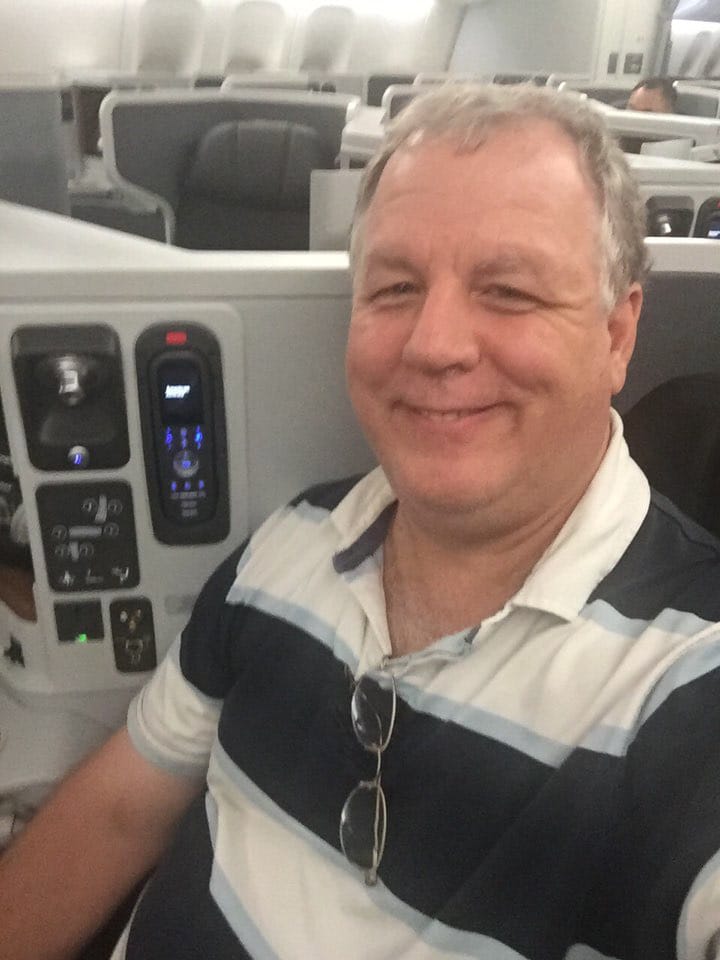
Hi, I'm Tim Hewitt
CEO of AuthorHub.io
I won my first writing scholarship in high school by beating more than 300 other writers in a nationwide contest, and that award gave me something money couldn't buy: the belief that my words mattered. Since then I've spent decades learning what makes writing work: how to find your voice, how to keep readers turning pages, marketing that really sells books, and how to spot the small craft problems that quietly sink good stories. This blog is where I share everything I've picked up along the way.