Creating a Successful Self-Published Book: A Guide for First-Time Authors
Wednesday, March 18, 2026
Let's get something out of the way right now: there is no secret formula for making your book "go viral." No magic headline, no algorithm hack, no perfectly timed tweet that will catapult your manuscript from obscurity to bestseller status overnight. If someone is selling you that dream, they're selling you a fantasy.
But here's the good news - you don't need virality. What you need is something far more powerful and far more within your control: a deliberate, thoughtful approach to writing, publishing, and marketing your book. The authors who build lasting careers aren't the ones who got lucky with a single viral moment. They're the ones who showed up consistently and did the work.
If you're a first-time author feeling overwhelmed by the publishing landscape, this post is for you. Here are seven pillars that will serve you far better than chasing the viral dragon.
1. Identify Your Target Audience Before You Write a Single Word
One of the most common mistakes first-time authors make is writing "for everyone." The logic feels sound - the broader the audience, the more potential readers, right? In reality, the opposite is true. A book that tries to speak to everyone ends up resonating with no one.
Before you outline your first chapter, get crystal clear on who your ideal reader is. Ask yourself:
- What problem does my book solve, or what experience does it offer?
- Who is already reading books in my genre or category?
- Where do these readers hang out online - which forums, social platforms, or communities?
- What language and tone resonates with them?
Actionable step: Create a one-page reader avatar. Give them a name, an age, interests, and frustrations. Every writing and marketing decision you make should be filtered through the question: "Would this resonate with my ideal reader?"
2. Prioritize Quality and Unique Content Over Speed
In an era of AI-generated content and rapid self-publishing, the temptation to rush your book to market is real. Resist it. Readers can tell the difference between a book that was crafted with care and one that was assembled in a weekend.
Your unique perspective is your greatest asset. No one else has lived your life, conducted your research, or imagined your fictional world. Lean into what makes your voice different. Depth, originality, and authenticity are what transform a forgettable book into one that readers recommend to their friends.
Actionable step: Before writing, identify three to five things that make your book different from what's already on the shelf. These become your "uniqueness anchors" - return to them whenever you feel your writing drifting toward the generic.
3. Editing and Proofreading Are Non-Negotiable
This is where many first-time authors underinvest, and it shows. A brilliant idea buried under typos, awkward phrasing, and structural issues will never reach its potential. Readers are surprisingly unforgiving - a handful of errors in the first few pages can trigger a one-star review and a refund request.
Professional editing typically involves multiple passes:
- Developmental editing: big-picture feedback on structure, pacing, and argument
- Copy editing: line-by-line refinement of grammar, style, and consistency
- Proofreading: the final sweep for typos, formatting errors, and missed details
Actionable step: Budget for at least a professional copy edit. If funds are tight, invest in a thorough proofreading pass at minimum. You can also trade editing services with other authors in writing communities, but never skip this step entirely.
4. Invest in Professional Design - Yes, People Judge Books by Their Covers
You've heard the cliché a thousand times, and in publishing, it is literally true. Your book cover is the single most important marketing asset you have. In an online bookstore, readers make snap judgments in fractions of a second. A poorly designed cover signals "amateur," regardless of how good your writing is.
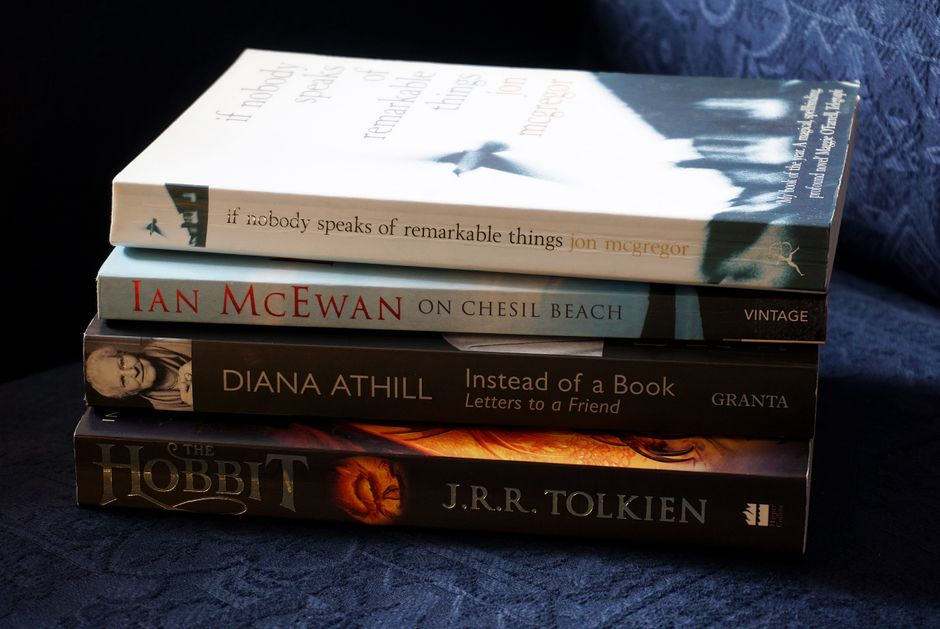
Beyond the cover, interior formatting matters too. Proper margins, consistent fonts, readable line spacing, and well-placed chapter headings all contribute to a professional reading experience.
Actionable step: Study the top-selling covers in your genre. Notice the patterns - color palettes, typography styles, imagery. Then hire a designer who specializes in book covers (not just graphic design in general). Expect to spend $300–$1,000 for a quality cover. It's one of the highest-ROI investments you'll make.
5. Build a Marketing Strategy - Don't Just "Post and Pray"
Here's a hard truth: writing the book is only half the job. The other half is making sure the right people know it exists. Too many first-time authors publish their book, share it on their personal Facebook page, and then wonder why sales are flat.
An effective marketing strategy doesn't require a massive budget, but it does require intentionality. Focus on building your author platform - the combination of your online presence, email list, and relationships with readers and fellow authors.
- Start an email newsletter months before your launch - even a simple one
- Choose one or two social media platforms where your readers already are
- Guest post on blogs or appear on podcasts in your niche
- Build relationships with book reviewers and bookstagrammers
- Consider a launch team of early supporters who will leave honest reviews
Actionable step: Create a simple 90-day marketing calendar - 30 days pre-launch, launch week, and 60 days post-launch. Map out specific activities for each phase. Consistency beats intensity.

6. Embrace Engagement and Feedback - Your Beta Readers Are Gold
Writing can feel solitary, but publishing shouldn't be. One of the smartest things you can do as a first-time author is recruit beta readers - people from your target audience who read your manuscript before publication and give you honest, constructive feedback.
Beta readers help you catch blind spots you can't see yourself. They'll tell you which chapters dragged, which characters felt flat, which arguments didn't land, and - just as importantly - which parts made them want to keep reading.
Beyond beta readers, stay engaged with your audience after publication. Respond to reviews (gracefully). Ask readers what they'd like to see next. Build a community, not just a customer list.
Actionable step: Recruit five to ten beta readers from writing groups, AuthorHub.io, social media, or your existing network. Give them a clear timeline (typically four to six weeks) and a short feedback questionnaire so their input is structured and useful.
7. Adopt a Long-Term Perspective - This Is a Marathon, Not a Sprint
Perhaps the most important mindset shift for first-time authors is this: your first book is the beginning of a journey, not the destination.
Most successful authors didn't hit it big with their first book. They built an audience over time, refined their craft with each project, and let compound momentum do its work. Your first book might sell modestly - and that's perfectly okay. What matters is that you learn from the experience and keep going.
Consider these realities:
- Each new book you publish increases discoverability of your previous books
- Your email list and audience grow with every release
- Your writing improves with practice - your best book is always ahead of you
- Word-of-mouth recommendations build slowly but are the most powerful sales driver
- Many "overnight successes" were actually years in the making
Actionable step: Set realistic goals for your first year. Instead of fixating on sales numbers, focus on process goals - finishing the manuscript, getting quality feedback, building your first 100 email subscribers, learning one new marketing skill. Celebrate the milestones that are within your control.
The Bottom Line: Replace the Viral Fantasy with a Sustainable Strategy
Chasing virality is exhausting, unpredictable, and ultimately disempowering - because it puts your success in the hands of algorithms and luck. The seven pillars outlined above put your success back in your hands.
Know your reader. Write something genuinely worth reading. Polish it until it shines. Dress it in a professional package. Tell the right people about it. Listen to feedback. And play the long game.
None of this is glamorous. None of it will make for a clickbait headline. But it works — and it has worked for thousands of authors who built meaningful careers one intentional step at a time.
Your book deserves more than a lottery ticket. Give it a real plan - and then trust the process.
See what your revenue might look like, comparing Amazon KU and Wide publishing with this free Revenue Estimator.

Hi, I'm Tim Hewitt
CEO of AuthorHub.io
I won my first writing scholarship in high school by beating more than 300 other writers in a nationwide contest, and that award gave me something money couldn't buy: the belief that my words mattered. Since then I've spent decades learning what makes writing work: how to find your voice, how to keep readers turning pages, marketing that really sells books, and how to spot the small craft problems that quietly sink good stories. This blog is where I share everything I've picked up along the way.