From eBook to Print: Your Complete POD Guide for Paperback and Hardcover
Tuesday, November 03, 2026
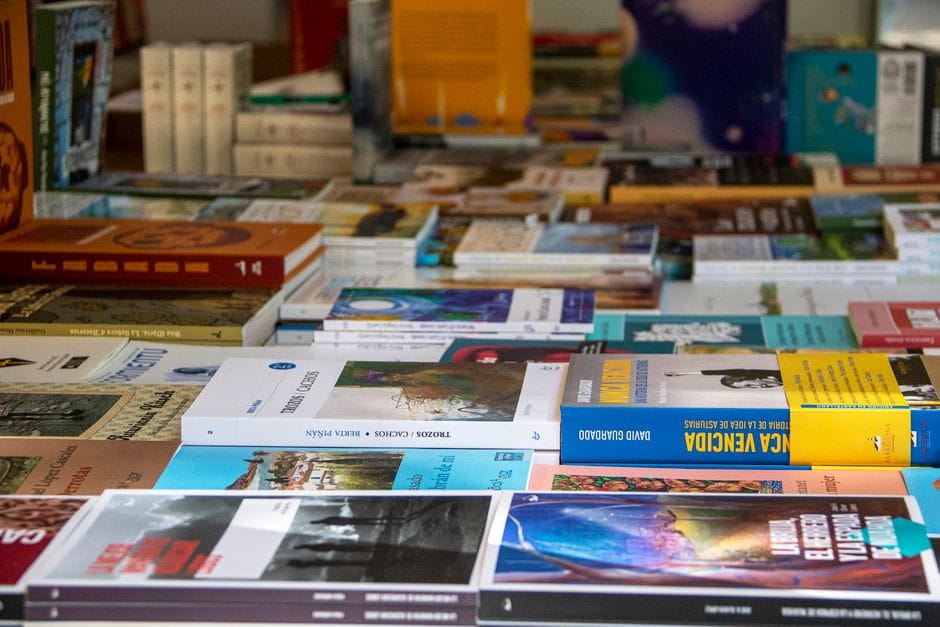
You've done the hard part. Your book is written, edited, professionally covered, and live on every ebook platform that matters. So what's next? For a lot of self-published authors, the answer is print. Turning your ebook into a paperback (and eventually a hardcover) is one of the most natural next steps you can take, and it's more accessible than most authors realize.
Print books do things ebooks simply can't. They give you something to sign at events. They add a layer of credibility that some readers (and reviewers, and bookstores) still expect. And they open up sales channels your ebook will never touch on its own.
This post walks through the practical steps of getting your book into print, the main print-on-demand (POD) suppliers you'll be choosing between, and how to avoid the mistakes that trip up a lot of first-time print authors.
Why Print Still Matters
It's easy to assume that in an ebook-and-audiobook world, print is optional at best. But print formats still carry weight that digital simply doesn't.
- Bookstores and libraries generally won't consider stocking a book that only exists as an ebook.
- Print books make excellent gifts. Nobody wraps a Kindle file for a birthday.
- A meaningful segment of readers, especially older ones, still prefer physical books outright.
- Print carries a higher perceived value than digital, which can support a higher price point.
- Hardcover editions give your biggest fans a premium option worth paying more for.
- Hardcover editions as signed copies can bring extra income from your website as premium options.
None of this means you should abandon ebooks. It means print is additive. It reaches readers your digital editions never will.
A book that only exists digitally isn't a book to a lot of readers. It's a file. Print changes that.
What You Need Before You Print
Print files are not the same as ebook files. Before you upload anything, make sure you have these pieces sorted out.
- Interior formatting built specifically for print, with correct trim size, margins, and gutter space (the extra inner margin that accounts for the binding).
- Awareness of bleed if any images or design elements run to the edge of the page.
- A full wraparound print cover, meaning front cover, spine, and back cover as one connected file, not just your ebook's front cover resized.
- A decision on ISBNs. Some platforms let you reuse an ISBN across formats, others require a separate ISBN for each format (paperback, hardcover, ebook).
- A physical proof copy ordered and reviewed before you approve the book for sale. Never skip this step.
The spine width on your cover file depends on your page count and paper type. Get this wrong and your cover file will be rejected, or worse, approved with text wrapping onto the spine incorrectly.
Main POD Suppliers: Compare These
There's no single "best" print-on-demand platform. Each one makes different tradeoffs between reach, quality, and cost. Here's how the major players stack up.
Amazon KDP Print
The default choice for most self-published authors, and for good reason.
- Huge built-in audience already shopping on Amazon.
- Easy paperback and hardcover setup.
- Integrates directly with your existing KDP ebook listing.
- No upfront cost to publish.
- Lower royalty percentages compared to some alternatives.
- Hardcover options are newer and more limited than paperback.
- Some authors report print quality control issues.
- Less flexibility on trim sizes and paper options.
Lulu
The go-to option when print quality and format flexibility matter more than built-in reach.
- Excellent print quality overall.
- Wide variety of trim sizes and paper types to choose from.
- True hardcover options, including dust jackets.
- Direct-to-reader storefront for selling straight from Lulu.
- Well suited to special or premium editions.
- Much smaller built-in audience than Amazon.
- You'll need to distribute separately to reach retailers.
Barnes & Noble Press
A low-risk way to widen your footprint beyond Amazon.
- Gets your book listed directly on BN.com.
- Free to publish.
- Decent print quality.
- Good for expanding reach beyond Amazon at no extra cost.
- Smaller reach than Amazon overall.
- More limited hardcover options.
- Interface has historically been slower and clunkier to work with.
IngramSpark
The choice for authors who want their book to reach actual bookstores and libraries, not just online retailers. Setup costs and revision fees are higher than Amazon or Lulu, but IngramSpark offers the broadest distribution network in POD, including returnability, which matters a lot to indie bookstores deciding whether to stock your book.
Local and Regional Printers with Fulfillment
Worth considering once you're doing events, signings, or specialty runs. A local printer can offer better per-unit pricing at volume and more control over paper stock and finish. The tradeoff is that you'll be handling storage and shipping yourself, unless the printer also offers fulfillment services.
Recommended Approach
With five options on the table, most authors just want to know where to start. Here's a practical sequence that works for the majority of self-published authors.
- Start with Amazon KDP for your paperback. It's the easiest setup and gives you the broadest reach immediately.
- Consider Lulu or IngramSpark for hardcover editions or special/collector's editions.
- Add Barnes & Noble Press to widen your footprint, since it costs nothing extra to do so.
- Hold off on local printers until you've proven demand for bulk or event sales. There's no reason to carry inventory before you know you need it.
You don't have to pick one platform and stick with it forever. Many authors run paperback through KDP and a hardcover edition through Lulu at the same time.
Common Pitfalls
Most print problems are avoidable. Here's what trips up authors most often.
- Cover files getting rejected because the spine width or bleed measurements don't match the actual page count and paper type.
- Skipping the physical proof copy and approving the book sight unseen, only to discover a formatting issue after copies are already selling.
- Pricing the print book too low, leaving no real royalty once print costs are subtracted.
- Forgetting to update back matter and links for print readers, who can't click anything and need alternate ways to find your other books.
3
common cover file errors caught at print time
1
proof copy you should always order before going live
2+
platforms most authors end up using together
How AuthorHub Can Help
If the technical side of print formatting sounds like a lot, that's because it can be, especially the first time. AuthorHub offers professional cover design services that include full wraparound print covers, built with the correct spine width and back cover layout for your exact trim size and page count.
We also offer interior formatting services that handle the print-specific requirements (trim size, margins, gutter space, bleed) so you don't have to learn the technical details yourself. You focus on the writing. We'll make sure the file that reaches the printer is right the first time.

Closing Thoughts
Adding paperback and hardcover editions to your catalog is one of the most achievable upgrades available to a self-published author right now. The tools have matured, the platforms are accessible, and the upfront cost is close to zero if you start with a print-on-demand option like KDP.
It's a real investment in your author brand, and it's one your readers, your events, and your future bookstore shelf space will thank you for.
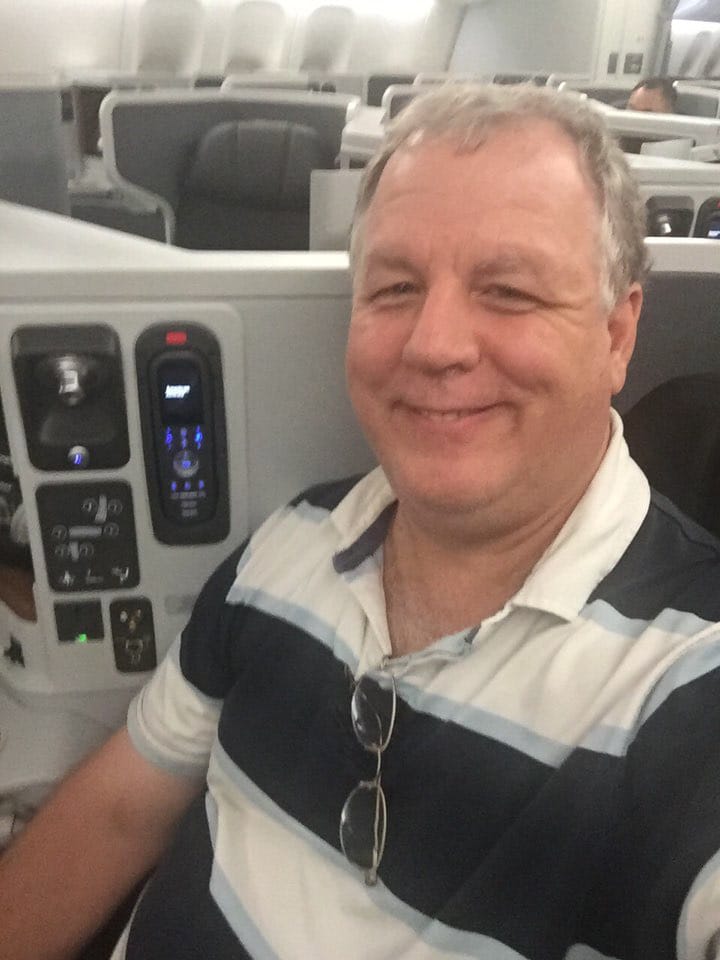
Hi, I'm Tim Hewitt
CEO of AuthorHub.io
I won my first writing scholarship in high school by beating more than 300 other writers in a nationwide contest, and that award gave me something money couldn't buy: the belief that my words mattered. Since then I've spent decades learning what makes writing work: how to find your voice, how to keep readers turning pages, marketing that really sells books, and how to spot the small craft problems that quietly sink good stories. This blog is where I share everything I've picked up along the way.