Finding Success Beyond Amazon: The Freedom of Self-Publishing
Wednesday, February 11, 2026
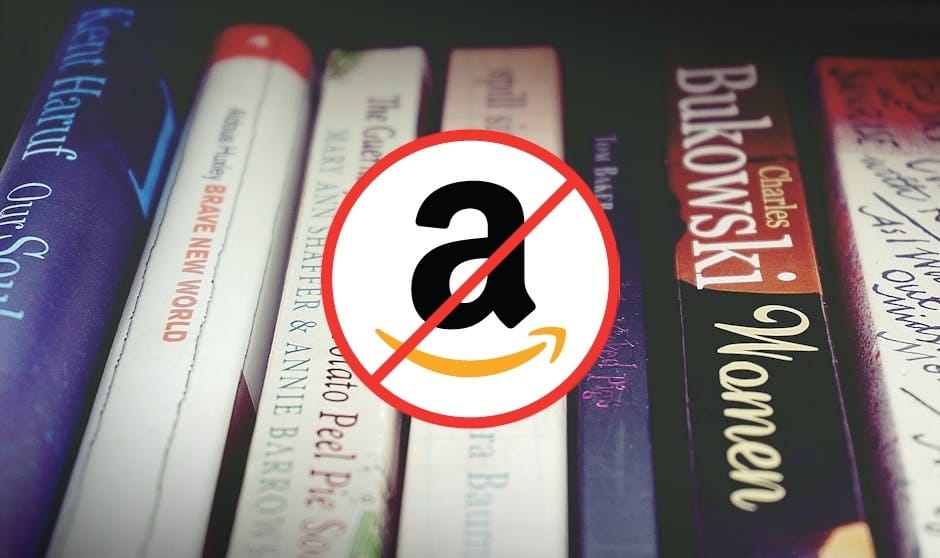
There's a quiet revolution happening in the world of self-publishing, and it starts with a single, liberating realization: you don't need Amazon to build a thriving career as an author. I know that sounds almost heretical. For over a decade, Amazon's Kindle Direct Publishing has been treated as the only viable launchpad for indie authors. But treating any single corporation as the gatekeeper to your livelihood isn't a strategy it's a vulnerability.
Let me be clear: I'm not saying Amazon is bad. It's an extraordinary marketplace with unmatched reach. What I am saying is that building your entire author business on one platform is like constructing a house on rented land. The landlord can change the rules whenever they want - and they frequently do.
The Amazon Dependency Problem
Every year, thousands of indie authors wake up to find their rankings tanked, their ads suddenly unprofitable, or their accounts flagged for reasons they don't fully understand. Amazon's algorithm changes are opaque, its advertising costs are climbing, and its KDP Select program - which requires exclusivity - locks authors out of every other retailer on the planet.
Consider the math. When you sell a $9.99 ebook on Amazon at the 70% royalty rate, you keep roughly $6.99. But when you sell that same book directly from your own website, you keep $9.20 or more after payment processing. That's not a marginal difference, it's a 30% increase in revenue per sale. Multiply that across thousands of copies, and you're looking at a fundamentally different business.
The Platforms That Are Changing the Game
The indie author ecosystem has matured dramatically. There are now robust, author-friendly platforms that make selling outside Amazon not just possible, but genuinely profitable. Here are the ones leading the charge:
BookFunnel: Your Direct Sales Engine
BookFunnel started as a delivery tool for reader magnets, but it has evolved into a full direct-sales platform. Authors can sell ebooks and audiobooks directly to readers, deliver files seamlessly to any device, and keep the vast majority of their revenue. BookFunnel also facilitates group promotions and newsletter swaps, helping authors discover new readers organically - without paying for Amazon ads.
Romance author Becca Syme has spoken publicly about how direct sales through BookFunnel transformed her business model, allowing her to build a sustainable income stream that isn't subject to algorithmic whims.
Shopify and Your Own Author Website
The most empowering move any author can make is selling directly from their own website. Platforms like ClickFunnels, Shopify, WooCommerce, and Payhip make this surprisingly straightforward. When a reader buys from your site, you get their email address, their purchase data, and a direct relationship - none of which Amazon shares with you.
Brandon Sanderson's record-breaking Kickstarter campaign - which raised over $41 million - is perhaps the most dramatic proof of concept. But you don't need to be a bestseller to benefit. Authors earning modest five-figure incomes have reported that shifting even 20-30% of their sales to direct channels meaningfully improved their margins and gave them data they'd never had before.
AuthorHub.io will help you create a funnel sales page for your book, with multiple levels of paid and free bonuses and upsells, that can take your $9.99 sale and elevate it to $40-60 and more! See the link on the home page here for details.
Wide Distribution: Kobo, Apple Books, Google Play, and More
Going "wide" - distributing across multiple retailers - has become a proven path for thousands of authors. Services like Draft2Digital and PublishDrive make it easy to reach Kobo, Apple Books, Google Play, Barnes & Noble, and dozens of international retailers with a single upload. The readers on these platforms are often more loyal and less price-sensitive than Amazon's deal-hunting audience.
Author Mark Dawson, who teaches marketing to indie authors, has repeatedly emphasized that his wide distribution strategy generates significant revenue from non-Amazon channels. Similarly, Joanna Penn - one of the most respected voices in indie publishing - has documented her journey going wide and building a diversified income that doesn't depend on any single retailer. Timothy Bond - who publishes under multiple pen names across different genres - sells as much off the Amazon platform as on it, and has some books that are only available through his own sales funnel websites.
The Real Secret: Marketing Is the Differentiator
Here's the truth that Amazon-exclusive authors often overlook: the platform doesn't sell your books, your marketing does. If you have the ability to drive traffic, you can send that traffic anywhere. To your website. To Kobo. To BookFunnel. To a Kickstarter pre-order page. The destination matters far less than the engine that gets readers there.
A robust marketing strategy for platform-independent authors typically includes:
- Email list building Your email list is the one asset no platform can take from you. It's your direct line to readers who have already raised their hand and said, "I want to hear from you."
- Content marketing Blog posts, podcasts, YouTube videos, and social media content that builds authority and attracts organic traffic to your own properties.
- Strategic advertising Facebook Ads, BookBub Featured Deals, and even TikTok campaigns can drive traffic to any URL you choose, not just Amazon.
- Reader community building Patreon, Discord servers, and Facebook groups create loyal fan bases that will buy from wherever you tell them to.
- Newsletter swaps and cross-promotions Partnering with other authors to share audiences, often facilitated through BookFunnel or StoryOrigin.
Real Authors, Real Results
The evidence isn't just anecdotal, it's becoming a movement. Monica Leonelle and Russell Nohelty, co-authors of Direct Sales Mastery for Authors, have built an entire educational platform around helping writers sell direct. They've documented case studies of authors earning six figures annually without Amazon being their primary channel.
Michael Anderle, founder of LMBPN Publishing, built a publishing empire that distributes across every major platform. His approach? Treat wide distribution as a portfolio strategy. Some months Amazon is the top earner. Other months, it's Apple or Kobo. The diversification smooths out the volatility that Amazon-exclusive authors experience constantly.
And then there's the Kickstarter phenomenon. Since Sanderson's campaign proved the model, hundreds of authors have successfully funded print runs, special editions, and entire series through crowdfunding. Kameron Hurley, Kevin Hearne, and numerous mid-list authors have used Kickstarter to bypass traditional retail entirely for specific projects, often earning more per book than they would through any retailer.
The Data Advantage You're Missing
Perhaps the most underappreciated benefit of selling outside Amazon is data ownership. When someone buys from your website, you know who they are. You can follow up. You can offer them the next book in the series on release day. You can survey them about what they want to read next. You can add them to your beta reader or ARC reader teams, and get their book reviews at release time!
Amazon gives you nothing. You don't know your readers' names, email addresses, or buying patterns. You're essentially renting access to your own audience. Every direct sale flips that dynamic and puts you back in control.
A Practical Roadmap for Going Wide
If you're currently Amazon-exclusive and the idea of diversifying feels overwhelming, here's a phased approach that minimizes risk:
Phase 1: Build your foundation. Start an email list if you don't have one. Set up a professional author website. Create a reader magnet and deliver it through BookFunnel. This costs almost nothing and takes a weekend for DIY, or you can use a paid service like from AuthorHub.io.
Phase 2: Test direct sales. Put one book - ideally a first-in-series - up for sale on your own website using ClickFunnels, Shopify, Payhip, or BookFunnel's direct sales feature. Promote it to your email list. Measure the results.
Phase 3: Go wide with one series. When your current KDP Select enrollment expires, take one series wide through Draft2Digital or PublishDrive. Keep your other series exclusive if you want. Compare performance over 6-12 months.
Phase 4: Scale what works. Double down on the channels that perform. Invest in advertising that drives traffic to your highest-margin sales points. Expand your direct sales catalog. Build out your email automation.
The Counterarguments - and Why They Don't Hold Up
Critics will say: "But Amazon has the most readers!" True - and you can still sell there. Going wide doesn't mean abandoning Amazon. It means not being exclusive to Amazon. You can be on Amazon and everywhere else simultaneously.
Others argue: "Kindle Unlimited page reads are too lucrative to give up." For some genres, KU does generate significant income. But that income is entirely dependent on a per-page rate that Amazon sets unilaterally and has been steadily declining. In 2024, the per-page rate hit historic lows. Authors who had built their entire business model around KU page reads saw their income drop with no recourse.
The strongest argument for diversification isn't that Amazon is bad - it's that concentration risk is bad. Any financial advisor will tell you not to put all your money in one stock. Why would you put all your income in one retailer?
Take Back Your Author Business
The authors who will thrive in the next decade aren't the ones who master Amazon's algorithm. They're the ones who master their relationship with readers. They're the ones who own their email lists, control their data, diversify their revenue streams, and treat their writing career like the business it is.
You wrote the book. You did the hardest part. Don't hand over your business to a company that sees your life's work as just another product listing between phone chargers and dog food.
Build your platform. Own your audience. Diversify your channels. And remember - the best time to stop being dependent on Amazon was five years ago. The second best time is today.
See what your revenue might look like, comparing Amazon KU and Wide publishing with this free Revenue Estimator.
Have you made the leap to selling wide or direct? Share your experience - your story might be the push another author needs to take back control of their career.
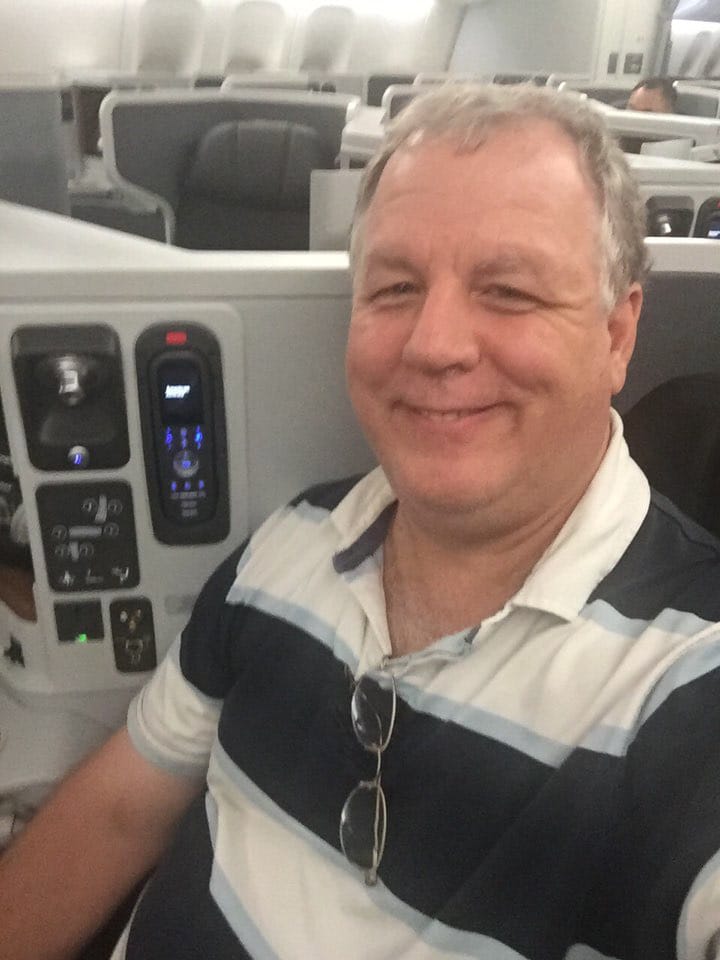
Hi, I'm Tim Hewitt
CEO of AuthorHub.io
I won my first writing scholarship in high school by beating more than 300 other writers in a nationwide contest, and that award gave me something money couldn't buy: the belief that my words mattered. Since then I've spent decades learning what makes writing work: how to find your voice, how to keep readers turning pages, marketing that really sells books, and how to spot the small craft problems that quietly sink good stories. This blog is where I share everything I've picked up along the way.