Harnessing the Power of Lead Magnets for a Successful Book Launch
Monday, February 23, 2026
I'm going to say something that might ruffle a few feathers in the author community: if you're planning to launch a book without an email list, you're essentially throwing a party and forgetting to send out invitations. Sure, some people might wander in off the street, but wouldn't you rather have a room full of eager guests who've been counting down the days?
After watching dozens of book launches - some spectacular successes, others heartbreaking flops - I've become convinced that the single most important factor separating the two isn't the quality of the writing, the cover design, or even the marketing budget. It's whether the author built an audience before hitting publish.
The Cold, Hard Reality of Launching to Crickets
Picture this: You've spent two years pouring your heart into a manuscript. You've revised it seventeen times. You've agonized over every word choice. Launch day arrives, and you hit publish with trembling fingers, expecting... something. Anything.
Instead, you get silence. Your book sits there, lonely and undiscovered, buried beneath the 4,000 other books published that same day. Your social media posts get a few sympathetic likes from friends and family. Your Amazon rank hovers somewhere in the millions.
This isn't a hypothetical nightmare - it's the reality for the vast majority of authors who launch without a list. And it's entirely preventable.
Why Email Lists Are Your Secret Weapon
Social media followers are rented attention. Email subscribers are owned attention. When you have someone's email address and permission to use it, you have a direct line to their inbox - no algorithm standing between you and your reader, no platform that could change its rules overnight and tank your reach.
But here's what makes email truly magical for book launches: it creates concentrated momentum. When you email 5,000 subscribers on launch day and even 20% of them buy your book within the first 24 hours, Amazon's algorithm takes notice. Suddenly your book is climbing charts, getting recommended, appearing in "also bought" sections. That initial surge creates a flywheel effect that can sustain sales for weeks.

The Lead Magnet: Your List-Building Engine
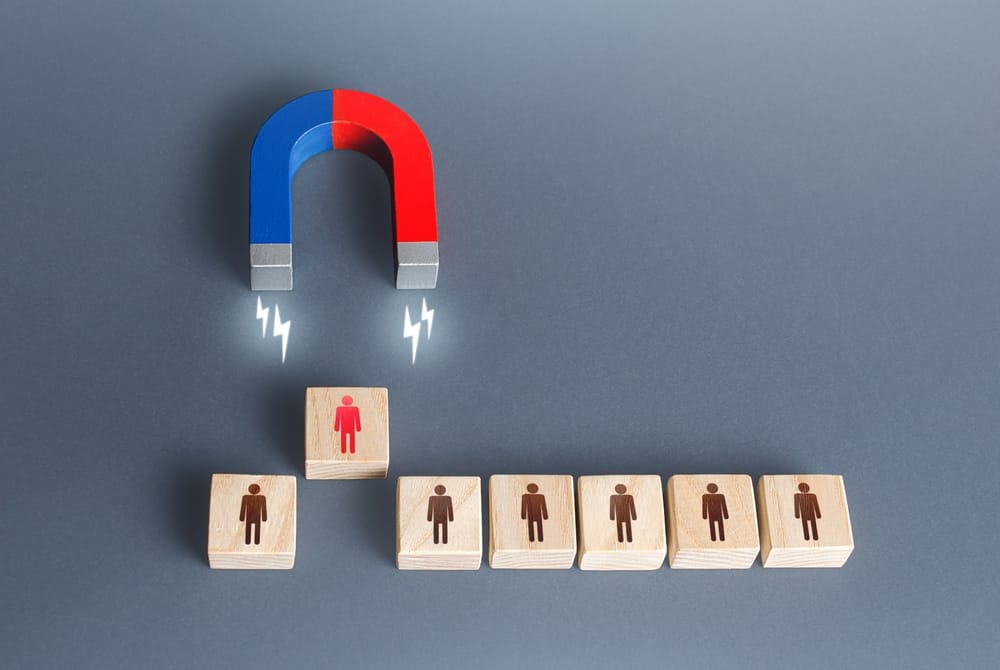
Nobody wakes up thinking, "I'd love to give my email address to a stranger today." You need to offer something valuable enough to overcome that natural resistance. Enter the lead magnet - a free resource so compelling that people gladly exchange their email for access.
For authors, the most effective lead magnets share a common trait: they give readers a taste of your voice, your expertise, and your ability to deliver value. Here are strategies that actually work:
- The First Chapter (Plus): Don't just give away chapter one. Include a bonus scene, deleted chapter, or author's note that adds exclusive value.
- The Companion Resource: Writing a business book? Create a worksheet or checklist. A cookbook? A meal planning template. Give them something they'll actually use.
- The Mini-Course: A 5-day email series that teaches something related to your book's topic builds both your list and your authority simultaneously.
- The Behind-the-Scenes Access: Readers are curious about the writing process. A "making of" document or video series can be surprisingly compelling.
- The Character Backstory: For fiction writers, exclusive short stories featuring beloved characters create devoted fans who'll buy anything you publish.
Quality Over Quantity (But Quantity Helps)
I've seen authors with 500 engaged subscribers outsell authors with 10,000 disengaged ones. The key word is engaged. A lead magnet that attracts your ideal readers - people who will actually enjoy and buy your book - is infinitely more valuable than one that attracts freebie-seekers who'll never open another email.
This is why your lead magnet should be closely aligned with your book's topic and tone. If you're writing a thriller, don't offer a meditation guide. If your book is for serious professionals, don't create something cutesy and casual. Attract the right people from the start.

Nurturing: The Part Everyone Skips
Building a list is only half the battle. The other half - the half that determines whether your launch succeeds or fizzles - is nurturing those subscribers into genuine fans.
Too many authors collect emails and then go silent for months, only to suddenly appear with "BUY MY BOOK!" energy. This approach feels transactional because it is transactional. And readers can smell it from a mile away.
Instead, commit to regular, valuable communication. Share your writing journey. Offer insights related to your book's topic. Recommend other books you've loved. Ask questions and actually respond to replies. Make your subscribers feel like insiders, not targets.
When launch day arrives, you won't be a stranger asking for a favor. You'll be a trusted friend sharing exciting news. The difference in response is staggering.
The Launch Sequence That Works
About six weeks before launch, I recommend shifting into launch mode with a strategic email sequence:
- Week 6: The announcement—share your cover, release date, and what the book is about. Build excitement.
- Week 4: The behind-the-scenes—share why you wrote this book and what it means to you. Create emotional connection.
- Week 2: The social proof—share early reviews, endorsements, or testimonials. Build credibility.
- Week 1: The countdown—remind them it's almost here. Offer any pre-order bonuses.
- Launch Day: The ask—this is the moment. Make it easy to buy with clear links and a compelling reason to act now.
- Day 3: The reminder—for those who meant to buy but got distracted. Life happens.

Start Now, Not Later
Here's the uncomfortable truth: the best time to start building your list was when you started writing your book. The second best time is right now.
Every day you delay is a day of potential subscribers lost. Every month without a lead magnet is a month of readers who wanted to hear from you but had no way to connect. Don't wait until your book is finished to start building your audience - by then, you've already lost your biggest advantage.
The authors who consistently hit bestseller lists, who build sustainable careers, who actually make a living from their writing - they all understand this fundamental truth: the book is not the product. The relationship with readers is the product. The book is just one way of deepening that relationship.
A lead magnet isn't just a marketing tactic. It's the foundation of that relationship. It's your handshake, your introduction, your first impression. Make it count, nurture what grows from it, and watch your launch transform from a hopeful gamble into a celebration with thousands of people who've been waiting for this moment right alongside you.
Because launching a book to a ready audience isn't just more successful - it's more joyful. And after all the work you've put into your writing, don't you deserve to experience that joy?
If you are still stuck on what to do for your lead magnet, we can help with our Lead Magnet Service, at AuthorHub.io

Hi, I'm Tim Hewitt
CEO of AuthorHub.io
I won my first writing scholarship in high school by beating more than 300 other writers in a nationwide contest, and that award gave me something money couldn't buy: the belief that my words mattered. Since then I've spent decades learning what makes writing work: how to find your voice, how to keep readers turning pages, marketing that really sells books, and how to spot the small craft problems that quietly sink good stories. This blog is where I share everything I've picked up along the way.