How to Get Readers to Actually Sign Up for Your Author Newsletter
Saturday, August 15, 2026

Your newsletter is one of the most powerful tools you have as an author. Here is why almost nobody is signing up for yours, and exactly how to fix that.
Picture this. An author, freshly energized after sending out her very first newsletter issue, logs onto Facebook and posts the following:
"I published the first edition of my newsletter last night. Who would like a copy?"
She hits post. She refreshes. She waits.
Her mom comments a heart emoji. Her aunt Linda says "How exciting, honey!" And if she is very lucky, maybe her grandmother and her grandmother's twin sister both click "yes please" from their tablets in the sunroom.
And that is it. Four signups. Two of them are the same woman born seven minutes apart.
Sound familiar? If you have been there, you are not alone. And if you are about to do exactly this, please keep reading. We need to talk.
Why "Who Wants My Newsletter?" Gets You Almost Nobody
Here is the hard truth: nobody wakes up in the morning thinking, "You know what I need? Another newsletter in my inbox." People are drowning in email. Their inboxes are already full of things they signed up for six years ago and never read.
Asking people if they want your newsletter is a bit like standing in a parking lot and asking strangers if they want to come to your house for dinner. Even if your cooking is spectacular, the ask is too vague, too cold, and offers no reason to say yes.
The problem is not the newsletter. The problem is the pitch. You led with the container instead of the contents. Nobody signs up for a newsletter. They sign up for what the newsletter gives them.

Step One: Lead With Value, Not the Newsletter
Think about what your ideal reader actually wants. They want a great story. They want to feel something. They want to discover a new author they will love for years. They want to feel like an insider, part of something. They want free stuff.
Your newsletter is the delivery vehicle for all of that. But you have to sell the destination, not the bus.
So before you post anything about your newsletter again, ask yourself: What does my reader get the moment they sign up? If your answer is "my newsletter," go back to the drawing board. If your answer is something specific, exciting, and immediately valuable, you are ready for the next step.
Step Two: Give Them Something Worth Signing Up For
This is called a lead magnet, and it is the single most effective tool for growing your list. A lead magnet is a free gift you offer in exchange for someone's email address. For authors, this is actually easier than it sounds, because you already create content people love.
Here are the lead magnets that work best for authors:
- A free short story or prequel chapter. Set in your world, featuring your characters. Give readers a taste before they commit to the full book. This is catnip for fiction readers.
- A free ebook in the same genre. If you have a backlist title, a novella, or even a short story collection, offer it free to new subscribers. The perceived value is enormous.
- A resource guide (for non-fiction authors). A checklist, toolkit, or companion guide that solves a specific problem for your target reader. Make it practical and immediately useful.
- Exclusive behind-the-scenes content. Character profiles, deleted scenes, worldbuilding notes, your writing playlist, the inspiration behind the story. Superfans eat this up.
- Early access to new releases. Let subscribers read the first three chapters before the book goes live. Make them feel special, because they are.
- Entry into a giveaway. A signed copy, a book bundle, a gift card to a bookstore. Simple, effective, and widely shared when promoted well.
Pick one. Just one. Make it genuinely good. Then build everything around it.

Step Three: Reframe the Entire Ask
Language matters enormously here. Compare these two calls to action:
Old way: "Sign up for my newsletter!"
New way: "Get a free prequel short story and join a community of readers who get early access, exclusive content, and first dibs on new releases."
The second version does three things. It leads with the free thing. It names a community (people want to belong). And it lists specific, tangible benefits. The word "newsletter" does not appear anywhere, and that is completely fine.
You are not asking people to subscribe to a mailing list. You are inviting them into your reader community. That is a very different proposition, and it converts at a very different rate.
What Your Newsletter Can Actually Do for Your Career
Let's talk about why this is worth your time and energy, because a well-built email list is genuinely one of the most valuable assets an author can have. Here is what it can do:
Build a Direct Relationship With Readers
Social media platforms change their algorithms constantly. Your reach on Facebook, Instagram, or TikTok can disappear overnight with a single update. Your email list belongs to you. No algorithm decides whether your subscribers see your message. You send it, they get it. Full stop.
Recruit Beta Readers
Your newsletter subscribers are your most engaged readers. When you need people to read an early draft and give feedback, these are the first people to ask. They already love your work. They want to help shape what comes next.
Recruit ARC Readers
Advance Review Copies are gold for launch day visibility. A healthy email list means you have a ready pool of enthusiastic readers who will review your book on Amazon, Goodreads, and BookTok before the book even officially drops. That early review momentum is everything.
Drive Pre-Orders and Launch Day Sales
When your new book goes live, you want a surge of sales on day one. That surge signals to Amazon's algorithm that your book is worth promoting. Your email list is your launch day army. A single well-crafted email to a warm, engaged list can move more copies than weeks of social media posting.
Build Long-Term Reader Loyalty
Readers who feel connected to you as a person, not just as a byline, keep coming back. They pre-order without hesitation. They recommend you to friends. They leave reviews. They show up at signings. The newsletter is how you nurture that connection between books, when there is nothing new to sell and you are just... talking to your people.

Where to Actually Promote Your Signup Link
Once you have your lead magnet and your reframed pitch, you need to put your signup link everywhere a reader might find you. Here is where to start:
- Your social media bio. Every platform gives you a link in bio. Use it for your signup page, not your Amazon page. You can always link to your books inside the newsletter itself.
- Your author website. Make the signup prominent. Not buried in the footer. A dedicated landing page, a pop-up, a banner at the top of your homepage. Do not make people hunt for it.
- The back matter of every book. This is the most underused real estate in publishing. After "The End," include a page that says something like: "Loved this story? Get a free bonus chapter and join my reader community at [link]." Readers who finish your book are already sold on you. Capture them right there.
- BookFunnel. If you are not using BookFunnel or your own lead magnet funnel to deliver your lead magnet, start now. It handles the delivery of your free ebook or short story professionally, integrates with most email platforms, and makes the whole experience seamless for your reader. It also runs group promotions where you can grow your list alongside other authors in your genre.
- Your email signature. Yes, your regular email. Add a line at the bottom: "P.S. Get a free [thing] when you join my reader community: [link]." Simple, passive, and it adds up over time.

Your Newsletter Is Worth Building. Build It Right.
That author who posted "Who would like a copy?" on Facebook? She is not a cautionary tale. She is every author who was never taught how this works. She had the right instinct, the wrong execution. And the good news is that this is entirely fixable.
You do not need thousands of subscribers to make your newsletter worthwhile. You need the right readers, people who actually want to hear from you, who will open your emails, share your launches, and stick with you for the long haul. A list of 500 passionate readers will outperform a list of 5,000 disengaged ones every single time.
So here is your challenge: Before you send your next newsletter or post your next signup link, stop and ask yourself three questions.
- What does my reader get the moment they sign up?
- Does my signup language lead with value, or does it lead with "newsletter"?
- Is my signup link visible in every place a reader might find me?
If you can answer all three with confidence, you are already ahead of most authors out there. If you cannot, now you know exactly what to fix.
Your readers are out there. They want to find you. Give them a reason to stay.
Ready to rethink your newsletter strategy?
Start with one lead magnet. Write one reframed pitch. Put your link in one new place this week. Small steps, compounding results. You have got this.
Published in The Backlist. Written for authors at every stage of their publishing journey.
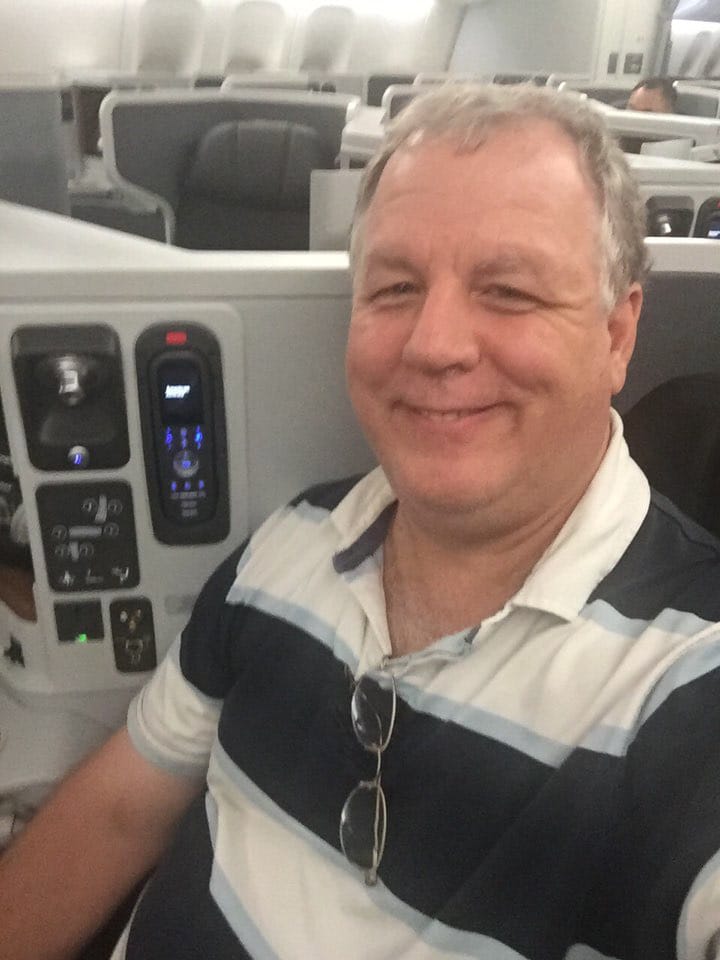
Hi, I'm Tim Hewitt
CEO of AuthorHub.io
I won my first writing scholarship in high school by beating more than 300 other writers in a nationwide contest, and that award gave me something money couldn't buy: the belief that my words mattered. Since then I've spent decades learning what makes writing work: how to find your voice, how to keep readers turning pages, marketing that really sells books, and how to spot the small craft problems that quietly sink good stories. This blog is where I share everything I've picked up along the way.