Can I Use That Book Title? Trademark vs. Copyright Explained
Sunday, October 18, 2026
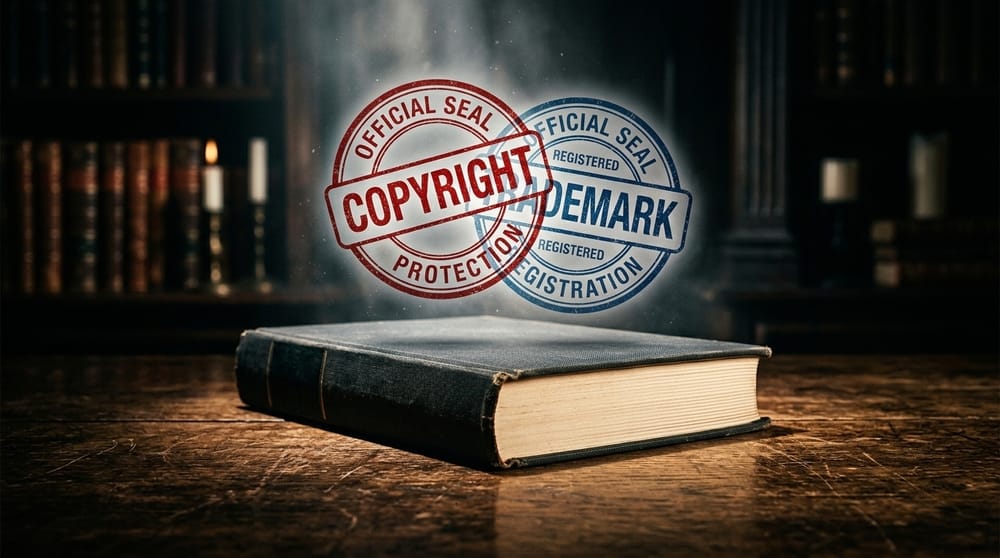
Okay, deep breath. You found the perfect title. It fits your book like it was born for it. And then you googled it, just to check, and your stomach dropped: there's a website already using that exact name. Maybe there's even another book out there with the same title. Panic sets in. Do you have to give it up?
Here's the good news, and it's really good news: in the vast majority of cases, you can absolutely keep the title you love. Let's walk through why, so you can stop worrying and get back to the fun part of publishing your book.
The Legal Distinction That Changes Everything
Most of the fear around titles comes from mixing up two completely different kinds of legal protection: copyright and trademark. Once you understand the difference, this whole situation gets a lot less scary.
Copyright protects specific creative works. It covers the actual text of your book, the specific arrangement of your sentences, the particular story you've written. What it does not protect is a title, a short phrase, or a name standing on its own. Titles of books, on their own, are generally not copyrightable at all.
Trademark is a different animal entirely. It protects brand identifiers used in commerce, things like a business name, a product line, a series brand, or a name used over and over to sell goods and services. The whole point of trademark law is to keep customers from getting confused about whose product they're buying.
Quick way to remember it: copyright protects the writing. Trademark protects the brand. A single book title is almost never a brand.
So Why Can't You Call Your Book "Harry Potter"?
This is the example that trips everyone up, so let's tackle it directly. You genuinely cannot title a new book "Harry Potter," but not because of copyright on a name. It's because Harry Potter is a registered trademark, and it represents a massive, ongoing commercial franchise with movies, merchandise, theme parks, and a series of many titles all built around that name.

Using that name would create real marketplace confusion. Readers might reasonably believe your book was connected to J.K. Rowling's world, and you'd essentially be trading on a brand she spent decades building and registered specifically to protect. It's the fame, the series branding, and the trademark registration working together that make it off limits. It has almost nothing to do with copyright on a single word or name.
Why "Gone with the Wind" Works Just Fine
Now compare that to a title like "Gone with the Wind." It's a single, standalone novel title. It isn't a registered trademark for an ongoing product line, a series, or a franchise of merchandise. Titles like this are generally free for anyone to reuse, and people do, constantly.
In fact, this happens far more often than most new authors realize. Walk through any library and you'll find books that share identical or nearly identical titles with zero legal issue between them.
A book title is a name, not a brand, until you turn it into one.
"Harry Potter"
Registered trademark. Ongoing franchise with many titles, merchandise, and media. Off limits for a reason that has nothing to do with copyright.
"Gone with the Wind"
A single novel's title. Not a trademarked product line. Free for other authors to use, and often reused throughout publishing history.
What About That Website Using Your Title?
This is the part of your question that deserves a direct answer. You found a website publishing articles under the same name you want for your book. That feels alarming, but it's a different situation from the Harry Potter scenario, and here's why.
A content website using a phrase as its site name is not automatically the same thing as a trademarked product or series brand. Plenty of blogs, publications, and small sites operate under names they've never registered as trademarks at all. Unless that specific website has actually registered a trademark for that exact name, in a category that meaningfully overlaps with book publishing, this is very unlikely to create a real legal conflict for you.
That said, peace of mind is worth ten minutes of your time.
If you're a US based author, a quick search of the USPTO trademark database (uspto.gov) will tell you whether that name has been formally trademarked. It's free, it's fast, and it's rarely a dealbreaker for a single book title.
So, Can You Keep the Title? Yes.
You have permission to keep the title you fell in love with. Here are a few light, practical things to keep in your back pocket, none of which should hold up your progress.
- A quick USPTO trademark search is a smart 10 minute gut check, not a requirement.
- If another book already shares your title, that's overwhelmingly common and not a legal problem. It can be worth a quick look at Amazon to see how crowded that title space is, purely for discoverability, which is a marketing consideration, not a legal one.
- Concerns really only escalate if you're planning a big multi-book series brand, merchandise, or a business built around the name. In that case, trademarking your own series name down the road could make sense.
One more thing worth saying plainly: titles are rarely the legal risk that authors fear them to be. The energy you're spending worrying about a name is energy that could go toward finishing your manuscript, polishing your opening chapter, or designing a cover that makes your title sing.
Keep the title. Finish the book.
You found a name that fits your story. That's rare and it's worth holding onto. Go write.
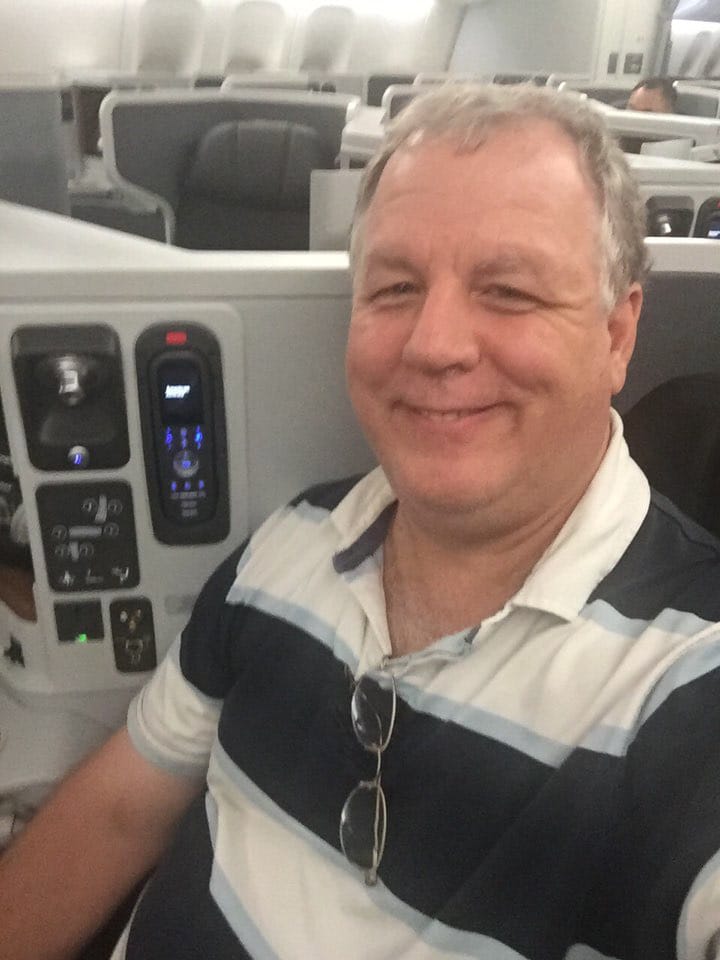
Hi, I'm Tim Hewitt
CEO of AuthorHub.io
I won my first writing scholarship in high school by beating more than 300 other writers in a nationwide contest, and that award gave me something money couldn't buy: the belief that my words mattered. Since then I've spent decades learning what makes writing work: how to find your voice, how to keep readers turning pages, marketing that really sells books, and how to spot the small craft problems that quietly sink good stories. This blog is where I share everything I've picked up along the way.