Kindle Unlimited Won't Market Your Book For You
Wednesday, August 19, 2026

If your Kindle Unlimited page reads are dropping, the algorithm isn't broken. You stopped marketing.
There. I said it. And I know it stings a little - because the fantasy is so much more appealing. The fantasy goes like this: you enroll your book in KU, Amazon does its thing, readers magically find your pages, and the royalties roll in while you write the next book. It's a beautiful picture. It's also almost entirely fiction.
Kindle Unlimited is one of the most powerful distribution tools available to indie authors. But it is a distribution channel - full stop. And somewhere along the way, a dangerous myth took root in the self-publishing community: that enrolling in KU is a marketing strategy. It isn't. Not even close. And the authors who believe it are quietly watching their careers stall while wondering what went wrong.
What Kindle Unlimited Actually Is (And Isn't)
Let's get clear on the basics. When you enroll a book in KU, you're entering an exclusivity agreement with Amazon. In exchange for making your ebook available only through Amazon's ecosystem for 90-day rolling periods, your book becomes available to KU subscribers to borrow and read - and you earn per page read from the global KU fund.
That's the deal. Amazon is not promising to promote your book. Amazon is not promising to surface it in front of readers. Amazon is offering you access to their subscriber base - but access is not the same as visibility. Visibility is earned.
Here's how the KU algorithm actually works: Amazon surfaces books that are already getting traction. Click-through rates, borrows, reads, reviews - these signals tell Amazon's algorithm that a book is worth promoting. The algorithm rewards momentum. It does not create it. That's your job.
"Amazon rewards books that are already moving. It doesn't create momentum - you do."
The Dangerous Myth That's Killing Your Page Reads
The myth sounds something like this: "I'm in KU, so readers will find me." Or its close cousin: "I don't need to run ads - KU takes care of that." I've heard these in Facebook groups, in writing communities, in author newsletters and consulting calls. And every single time, I want to gently shake someone by the shoulders.
This misconception doesn't just lead to disappointment. It leads to a predictable, painful cycle: author launches book, gets a small new-release bump from Amazon's algorithm, does zero promotion, page reads flatline within weeks, author blames KU, author considers going wide - when the real problem was never the platform. It was the absence of a marketing plan.
KU didn't fail you. You didn't show up for your book.

Why You Must Always Be Marketing - KU or Not
Whether you're exclusive to Amazon or publishing wide across every platform, one truth remains constant: marketing is non-negotiable. The authors winning in KU right now are not winning because Amazon likes them more. They're winning because they're marketing harder and smarter. Here's what that actually looks like:
- Amazon Ads (AMS) work especially well in KU because borrows count as conversions. You don't need a purchase - you need a click that turns into a borrow, and the algorithm sees that as a win. AMS is arguably more effective for KU authors than for wide authors precisely because the barrier to "buy" is lower for subscribers.
- BookBub Featured Deals and price promotions still drive KU borrows. A $0.99 price pulse or a free promotion doesn't just generate sales - it signals activity to Amazon and drives new readers into your series funnel.
- Social media, newsletters, and reader groups drive external traffic that feeds the algorithm. Every click from outside Amazon tells the algorithm your book is worth surfacing to more people inside Amazon.
- A new release bump is temporary. Amazon gives every new book a short window of elevated visibility. What you do in that window - and in the months after - determines whether your page reads sustain or collapse.
- Series read-through is amplified by consistent promotion of Book 1. If you're writing in a series (and if you're in KU, you really should be), every reader you drive to Book 1 has the potential to read through your entire backlist. That's compounding returns on every marketing dollar you spend.
The KU Exclusivity Trade-Off Nobody Talks About Honestly
Here's the part that should make you genuinely uncomfortable if you're in KU and not actively marketing: you gave up wide distribution for this. That's not a small thing. Being in KU means your ebook cannot be sold on Apple Books, Kobo, Barnes & Noble, Google Play, your own website or any other retailer. You've locked yourself into one ecosystem.
That exclusivity can absolutely pay off - but only if you're working it. If you're not actively marketing to maximize your KU enrollment, you've made a genuinely bad deal. At least going wide gives you multiple income streams even with minimal promotion. Passive wide income is real. Passive KU income is a fairy tale.
KU is a high-reward, high-effort play. If you're not prepared to put in the effort, wide might actually serve you better - and that's a conversation worth having honestly with yourself.
What Marketing in KU Actually Looks Like
Enough diagnosis - let's talk solutions. If you're in KU and ready to actually treat it like the business decision it is, here's a practical playbook to get your page reads moving:
- Run AMS ads consistently not just at launch. Set up Sponsored Product ads targeting comparable authors and keywords. Start with a modest daily budget, test your ad copy, and scale what works. This is table stakes for KU authors.
- Schedule BookBub, Bargain Booksy, or Robin Reads promotions especially for Book 1 in a series. These promo sites have large subscriber bases of KU readers actively looking for their next read.
- Price pulse strategically. Temporarily dropping to $0.99 - or running a Kindle Countdown Deal - creates a reason to promote, generates borrow activity, and reawakens the algorithm's interest in your book.
- Do newsletter swaps with authors in your genre. Cross-promotion to warm, engaged reader lists is one of the highest-ROI activities available to indie authors, and it costs you nothing but time.
- Leverage your own author newsletter.Your list is your most valuable asset. Every time you send a campaign pointing readers toward a borrow, you're generating the exact kind of activity Amazon's algorithm rewards. You are building your own list, right?
- Use social proof in your social posts. Screenshot a glowing review. Share a reader reaction. Post a "readers are saying…" graphic. Social proof lowers purchase resistance and drives curious readers to check out your page - and borrow.

The Bottom Line
Kindle Unlimited is a tool. A powerful one, with real potential to generate significant income for the right author with the right strategy. But a tool sitting unused in a drawer doesn't build anything. The authors winning in KU are the ones marketing hardest - running ads, building newsletters, doing promos, showing up for their readers consistently. The ones complaining about low page reads are, almost without exception, the ones who stopped.
Stop waiting for Amazon to do your job. Stop treating enrollment as an endpoint. Your book deserves better than passive hope, and frankly, so does your career.
You made the decision to publish independently. Own it all the way - including the marketing. Because the authors who treat their writing like a business, who show up consistently and promote relentlessly, are the ones building something that lasts.
Want more like this?
The Backlist is packed with no-fluff, real-talk resources for indie authors navigating the self-publishing landscape. From KU strategy to wide distribution, ads to newsletters - we cover it all. Browse the blog and take control of your publishing career.
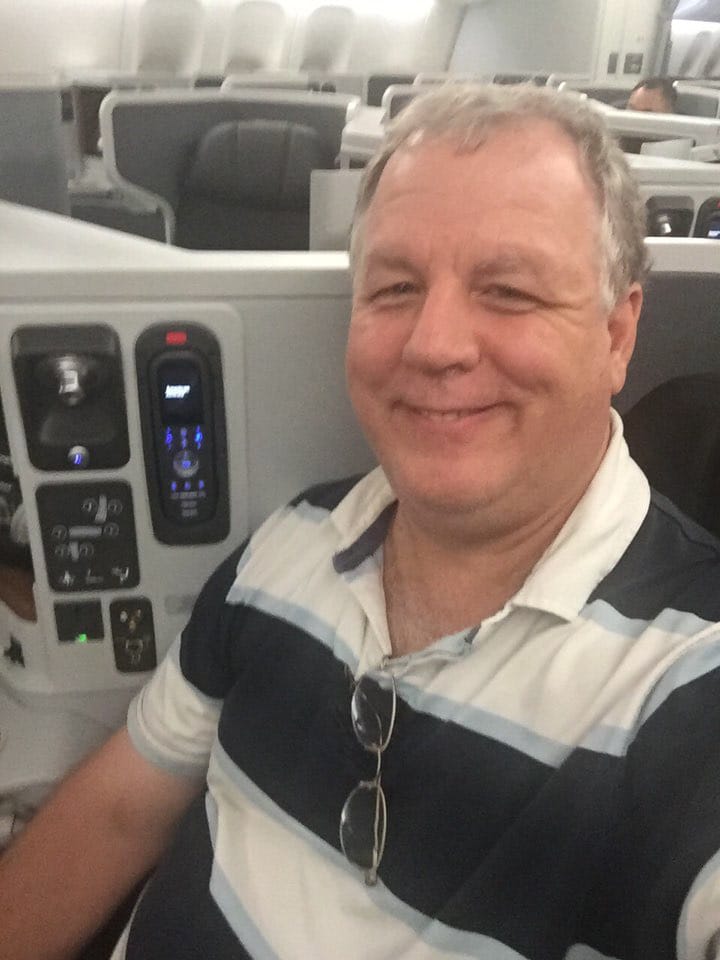
Hi, I'm Tim Hewitt
CEO of AuthorHub.io
I won my first writing scholarship in high school by beating more than 300 other writers in a nationwide contest, and that award gave me something money couldn't buy: the belief that my words mattered. Since then I've spent decades learning what makes writing work: how to find your voice, how to keep readers turning pages, marketing that really sells books, and how to spot the small craft problems that quietly sink good stories. This blog is where I share everything I've picked up along the way.