Mastering eBook Formats for Major Platforms
Saturday, February 14, 2026
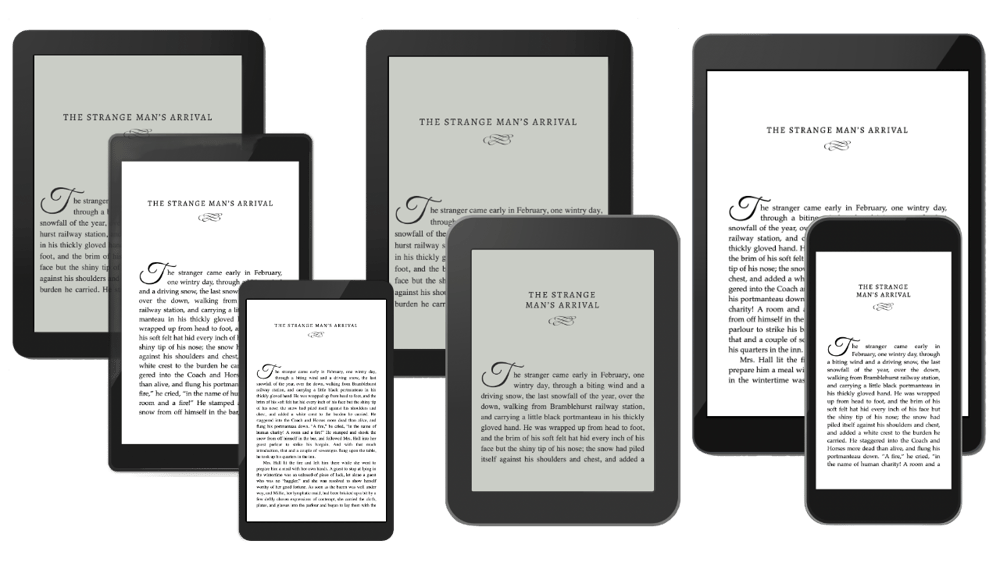
If you've ever uploaded your eBook to multiple retailers only to find that your carefully crafted formatting looks completely different on each platform, you're not alone. The truth is, not all ePUB files are created equal, and understanding the nuances between platforms can make the difference between a professional-looking book and one that frustrates readers.
The Myth of "One File Fits All"
Many authors assume that creating a single ePUB 3 file will work perfectly across all platforms. While ePUB 3 is indeed the industry standard, each major retailer interprets and renders these files differently. What looks stunning on your computer's preview might appear broken, misaligned, or simply unprofessional on a reader's device.
Think of it like this: just because a website works on Chrome doesn't mean it will display identically on Safari or Firefox. The same principle applies to eBook readers.
Platform-Specific Differences You Need to Know
Amazon Kindle (KF8/AZW3)
Kindle doesn't actually use ePUB files, it converts them to its proprietary KF8 format. This conversion can wreak havoc on complex formatting, custom fonts, and drop caps. Kindle also has unique requirements for table of contents placement, metadata handling, and image optimization. Books formatted specifically for Kindle using the proper ePUB tags ensure proper rendering across all Kindle devices and apps.
Apple Books
Apple Books supports advanced ePUB 3 features like embedded audio, video, and sophisticated CSS styling. However, it's also more strict about validation. Files that pass muster elsewhere might be rejected by Apple or display incorrectly on iPhones versus iPads. Apple also has specific requirements for cover images and metadata formatting.
Barnes & Noble Nook
Nook devices and apps have their own rendering quirks, particularly with font embedding and image scaling. Nook Press has specific file size limitations and handles certain CSS properties differently than other platforms. What works beautifully on Kindle might appear cramped or oddly spaced on Nook.
Kobo
Kobo's ecosystem spans dedicated e-readers, tablets, and smartphone apps, each with different screen sizes and rendering capabilities. Kobo is generally more forgiving with ePUB files but has specific preferences for navigation documents and spine ordering that affect the reading experience.
Google Play Books
Google Play Books reads ePUB files on a vast array of Android devices with varying screen sizes, resolutions, and software versions. This diversity means your formatting needs to be exceptionally flexible while still maintaining visual appeal. Google also has strict content guidelines that affect how certain elements are processed.
Why Generic ePUB Files Fall Short
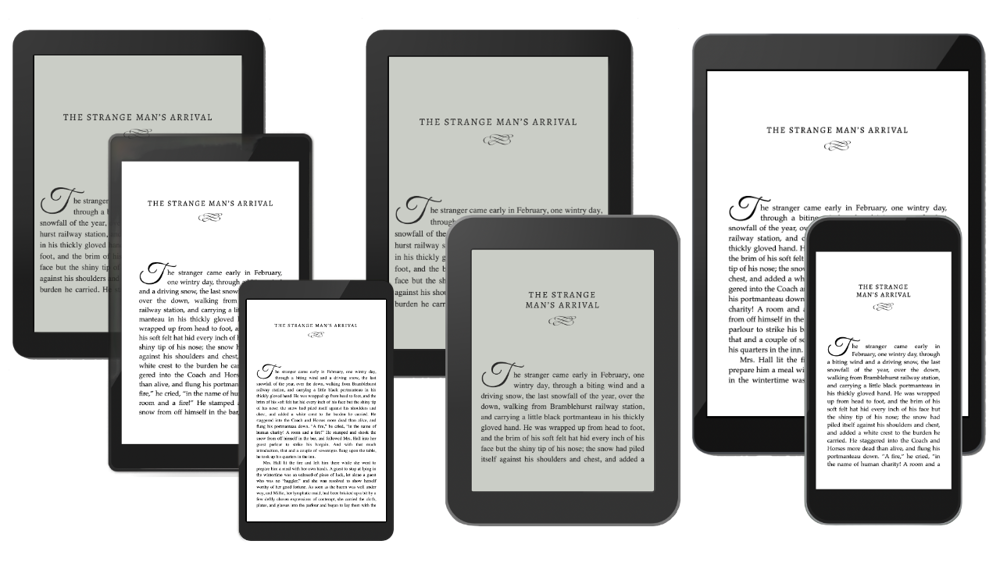
When you use a one-size-fits-all approach, you're essentially gambling with your book's presentation. Here's what can go wrong:
- Drop caps that overlap with text or disappear entirely
- Chapter headings that break awkwardly across pages
- Images that appear pixelated, stretched, or incorrectly positioned
- Custom fonts that revert to system defaults
- Table of contents links that don't work properly
- Inconsistent spacing and margins throughout the book
- Metadata errors that affect discoverability
These issues don't just look unprofessional, they actively harm the reading experience. Readers notice when a book feels "off," even if they can't articulate exactly why. Poor formatting leads to negative reviews, returns, and lost sales.
The Professional Approach: Platform-Optimized Formatting
Professional ePub formatting services understand these platform differences intimately. Rather than creating a single generic file and hoping for the best, experts create optimized versions for each major platform. This means:
- Kindle-specific files that survive Amazon's conversion process intact
- Apple Books files that leverage advanced features without breaking
- Nook-optimized formatting that respects Barnes & Noble's requirements
- Kobo and Google Play versions that adapt gracefully to diverse devices
- Thorough testing on actual devices and apps before delivery
The Reader Experience Matters
Your readers don't care about the technical challenges of eBook formatting - nor should they. They simply want to enjoy your story without distractions. When formatting is done right, it becomes invisible. Readers flow through your book effortlessly, fully immersed in your words.
When formatting is done poorly, every glitch pulls readers out of the experience. They notice the awkward page breaks, the missing images, the inconsistent fonts. These small frustrations accumulate, coloring their perception of your entire book.
Investing in Quality
You've invested countless hours writing, editing, and polishing your manuscript. The formatting is the final step that transforms your work into a professional product readers will enjoy. Cutting corners here undermines everything you've already accomplished.
Our ePub formatting service handles all the platform-specific complexities so you don't have to. We create optimized files for every major retailer, test them thoroughly, and ensure your book looks exactly as it should - everywhere your readers find it.
Because your words deserve to be presented beautifully, no matter where they're read.
Follow the link to find out more about eBook formatting services at AuthorHub.io

Hi, I'm Tim Hewitt
CEO of AuthorHub.io
I won my first writing scholarship in high school by beating more than 300 other writers in a nationwide contest, and that award gave me something money couldn't buy: the belief that my words mattered. Since then I've spent decades learning what makes writing work: how to find your voice, how to keep readers turning pages, marketing that really sells books, and how to spot the small craft problems that quietly sink good stories. This blog is where I share everything I've picked up along the way.