Rethinking Free eBook Strategies
Saturday, April 18, 2026
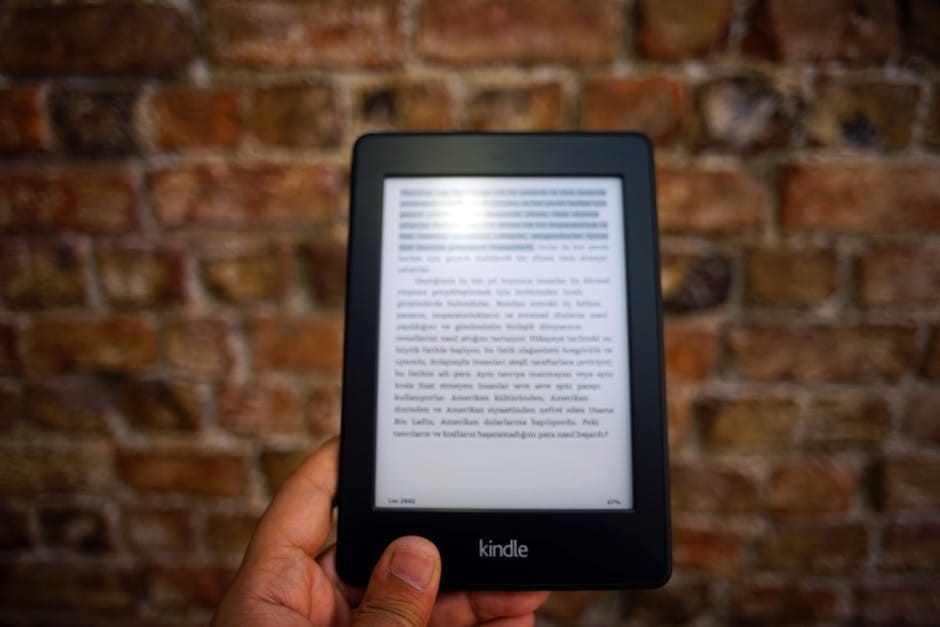
Let me say something that might ruffle a few feathers in the indie author community: giving your book away for free on Amazon is not a marketing strategy. It's a surrender. It's waving a white flag at the altar of an algorithm that doesn't know your name, doesn't care about your craft, and will forget you existed the moment your free promo window closes.
I know this is a controversial take. Every self-publishing guru and their dog will tell you that running free days on KDP Select is the golden ticket to visibility, reviews, and eventual sales. And sure, the numbers look impressive on paper - thousands of downloads in a single weekend. But let's peel back the curtain and ask the uncomfortable question: what did those downloads actually cost you?
The Illusion of Visibility
Here's the uncomfortable truth about free eBook promotions on Amazon: the vast majority of people who download a free book never read it. Studies and anecdotal evidence from thousands of authors consistently show that free downloads have an abysmal read-through rate. Your book doesn't land on a nightstand - it lands in a digital graveyard alongside hundreds of other free titles someone grabbed on a whim while scrolling during their lunch break.
You didn't gain a reader. You gained a data point. Amazon's algorithm got a brief sugar rush, your rank spiked for 48 hours, and then it all evaporated like morning fog. Meanwhile, you've trained a subset of potential readers to associate your work with a price tag of zero.
And that's the real damage - not the lost revenue from a single book, but the psychological anchor you've set. When your next title launches at $4.99, those same people scroll right past it. Why would they pay? You already told them your work is worth nothing.
You're Building on Rented Land
Perhaps the most insidious aspect of the free Amazon strategy is what it doesn't give you: a relationship. When someone downloads your free book on Amazon, you get nothing. No email address. No way to follow up. No channel to say, "Hey, I just released the sequel" or "Here's a behind-the-scenes look at my writing process." Amazon owns that customer relationship, and they guard it jealously.
You are, in the most literal sense, building your author career on rented land. Amazon can change its algorithm tomorrow - and it frequently does - and your entire visibility strategy crumbles overnight. Authors who built their careers on KDP Select free days in 2014 learned this lesson the hard way when Amazon shifted its ranking calculations. Many never recovered.

Devaluation Is Not a Strategy - It's a Trap
Let's call this what it is. When you make your book free, you are making a statement about its value - whether you intend to or not. And that statement echoes beyond the individual transaction. It affects how the entire indie publishing ecosystem is perceived.
Readers are not stupid. They understand, on some level, that a book someone spent months or years writing has inherent value. But when the market is flooded with free titles, it creates a race to the bottom that hurts everyone. It tells readers that books are disposable commodities, interchangeable and infinite, rather than crafted works of art and intellect.
You wouldn't expect a painter to give away canvases at a gallery opening to "build an audience." You wouldn't ask a musician to perform for free at a stadium because "the exposure is worth it." Yet somehow, we've accepted that authors should hand over the product of their deepest creative labor for nothing - and be grateful for the privilege.
So What Should You Do Instead?
I'm not here just to tear down a strategy without offering something better. The good news is that the alternatives are not only more effective - they're more dignified, more sustainable, and more rewarding. Here's what actually works:
1. Build an Email List with a Free Lead Magnet
Notice the critical difference here. I'm not saying "never give anything away for free." I'm saying don't give it away on Amazon where you get nothing in return. Instead, create a compelling lead magnet - a short story, a prequel novella, a bonus chapter, a worldbuilding guide, a character dossier - and offer it on your own website in exchange for an email address.
Now you have something Amazon will never give you: a direct line to your reader. Every email subscriber is someone who raised their hand and said, "I'm interested in what you create." That's infinitely more valuable than ten thousand anonymous free downloads. When your next book launches, you don't have to pray to the algorithm gods - you send an email and your most engaged fans show up on day one.

2. Use Social Media to Build a Community, Not Just a Following
Social media gets a bad rap among authors, and honestly, a lot of that criticism is deserved - if you're using it wrong. Posting "Buy my book!" three times a day on Twitter is not a strategy. But showing up as a real human being? Sharing your writing process, your struggles, your weird research rabbit holes, your hot takes on the genre you write in? That builds something Amazon never can: genuine human connection.
The authors who thrive on social media are the ones who understand that it's not a billboard - it's a conversation. They engage with readers in comments. They respond to DMs. They create spaces where people feel seen and heard. And when those authors release a new book, their community doesn't just buy it - they champion it, recommend it, and defend it in online discussions.
3. Invest in Targeted Advertising
I know, I know - spending money feels counterintuitive when you're trying to build a career. But here's the math that free-book advocates never want to discuss: if you spend $100 on targeted Facebook or BookBub ads and sell 50 copies at $4.99, you've made roughly $175 in royalties after Amazon's cut. More importantly, those 50 people paid for your book, which means they're dramatically more likely to actually read it, leave a review, and buy your next one.
Compare that to 5,000 free downloads where maybe 200 people read past the first chapter and three leave a review. The economics aren't even close. Targeted ads let you reach readers who are already buying books in your genre - people with demonstrated purchasing intent, not freebie hunters.

4. Collaborate, Don't Compete
One of the most underutilized strategies in indie publishing is author collaboration. Newsletter swaps, joint promotions, anthology contributions, podcast guest appearances, cross-promotion on social media - these tactics put your work in front of someone else's engaged audience. And because those readers already trust the author recommending you, the conversion rate blows free Amazon promotions out of the water. You can do this on Bookfunnel with regular promotions where you swap email list access with other authors.
The Real Goal: Readers Who Care
At the heart of this argument is a fundamental question about what kind of author career you want to build. Do you want a spike on a graph - a fleeting moment of algorithmic favor followed by a long, slow decline into obscurity? Or do you want a sustainable, growing community of people who genuinely love your work and can't wait for your next release?
The authors who build lasting careers - the ones who can actually quit their day jobs and write full-time - almost universally share one trait: they own their audience. They have email lists. They have communities. They have direct relationships with readers that no platform change, algorithm update, or policy shift can take away.
Amazon is a retailer. It's a place where transactions happen. It is not your partner, your advocate, or your friend. Treating it as the cornerstone of your marketing strategy is like building your house on a foundation that someone else can pull out from under you at any moment.
A Final Word on Courage
I understand why the free book strategy is so tempting. It feels safe. It feels like you're "doing something" without having to put yourself out there in uncomfortable ways. Writing a newsletter, showing up on social media, running ads, reaching out to other authors for collaborations - all of that requires vulnerability. It requires you to say, "My work has value, and I'm going to act like it."
That's scary. I get it. But your book deserves better than being dumped into the digital equivalent of a clearance bin. You deserve better. Your readers - the real ones, the ones who will stay with you for your entire career - deserve the chance to find you through channels that honor the work you've put in.
Stop giving your books away to strangers who will never read them. Start building something that belongs to you. The path is harder, slower, and less glamorous than watching a download counter spike on a free promo day. But it's the path that leads somewhere real.

Your words have value. Price them accordingly - and build the audience that agrees. AuthorHub.io can help you with a lead magnet as well as the marketing necessary to reach your readers. Just reach out if you need help.
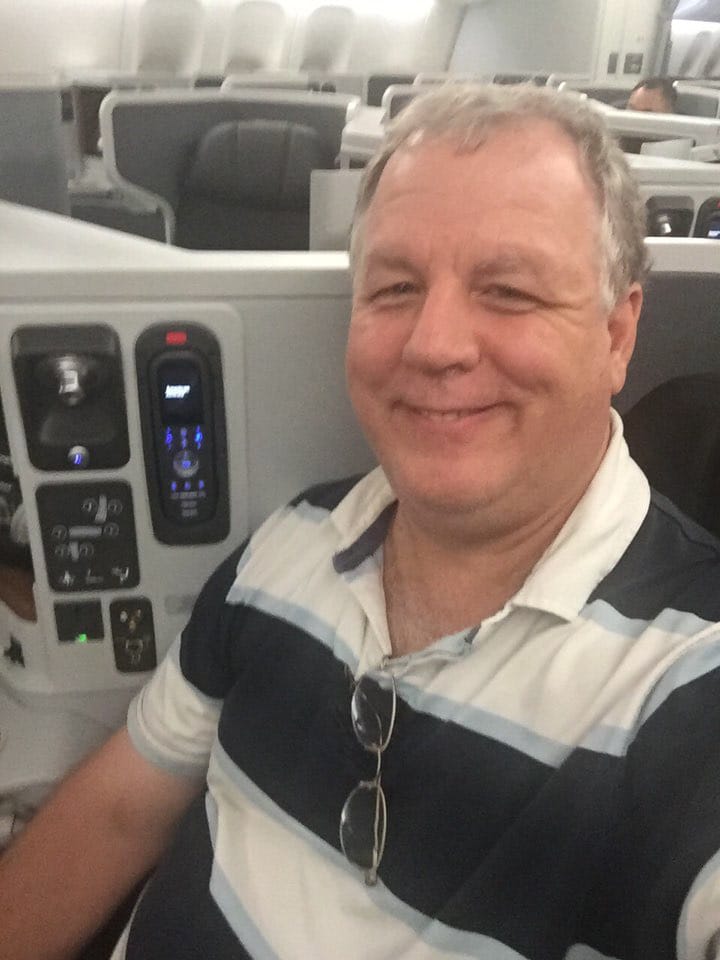
Hi, I'm Tim Hewitt
CEO of AuthorHub.io
I won my first writing scholarship in high school by beating more than 300 other writers in a nationwide contest, and that award gave me something money couldn't buy: the belief that my words mattered. Since then I've spent decades learning what makes writing work: how to find your voice, how to keep readers turning pages, marketing that really sells books, and how to spot the small craft problems that quietly sink good stories. This blog is where I share everything I've picked up along the way.