The $39 Ad That Sells 500 Books? Here's Why That's a Lie
Friday, September 04, 2026
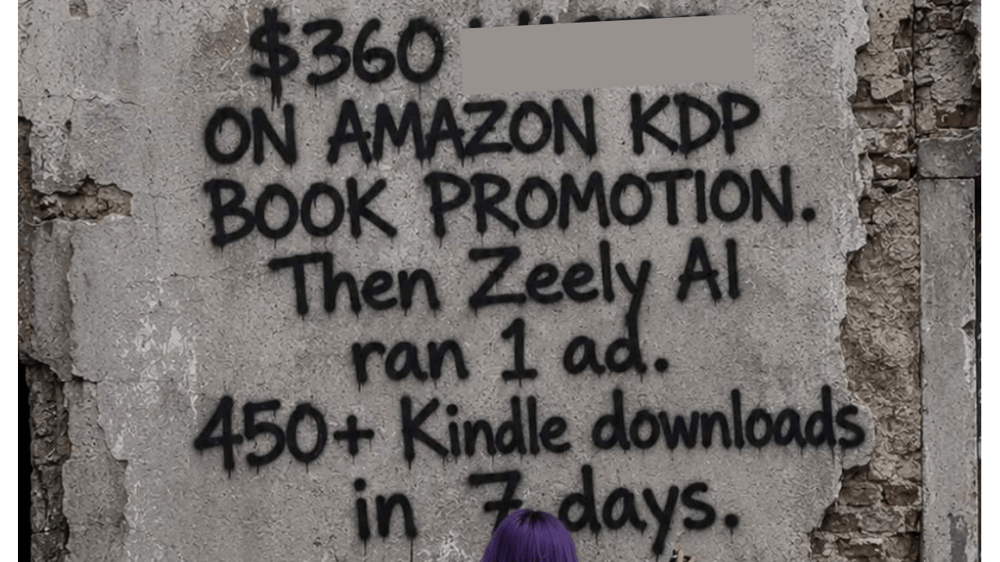
"It took you a year to write, edit and publish your book, and a year later you have zero sales. One $39 ad on 'My Ad Network' and now you are selling 1000 books a month!"
If you've spent any time in author Facebook groups, Discord servers, or the comment section of a writing YouTube video, you've seen a version of this ad. Maybe you've screenshotted it. Maybe - and I say this with zero judgment - you've clicked it. Because when you've poured a year of your life into a book that's currently selling to an audience of your mom and three strangers, that promise sounds less like an ad and more like a rescue boat.
I want to talk about why ads like that are bait, why they are specifically designed to catch discouraged first-time authors, and - more importantly - what to actually do instead. Because the good news is real: there IS a way out of the zero-sales trap. It's just not necessarily a $39 ad.

Let's Be Honest About What This Ad Is Really Selling
No ad platform on earth can manufacture demand out of nowhere. Ads are a megaphone, not a magic wand - they amplify interest that already exists, they don't invent it from scratch for a book nobody has ever heard of. If a single $39 ad could reliably turn zero sales into a thousand a month, every publisher on the planet would be running it, and traditional publishing marketing budgets would be a rounding error.
That's the tell. Any marketer promising a specific, guaranteed sales number from a single cheap ad spend is either lying, has no idea how attribution actually works, or is describing a one-time fluke and calling it a system. Real advertising performance depends on your book's genre, cover, blurb, reviews, pricing, category competition, and dozens of other variables - none of which a $39 ad magically fixes.
This ad works because it targets a very specific emotional moment: the year-one author who did everything "right" - wrote the book, hired an editor, designed a cover, hit publish - and is now staring at a sales dashboard that reads zero. That person isn't looking for a strategy. They're looking for hope. And predatory marketers know exactly how to package hope and sell it for $39.
Why Sending Cold Traffic to Amazon Doesn't Work
Even setting aside the guaranteed-sales lie, there's a deeper structural problem with this whole approach: it sends a total stranger straight to your Amazon product page and hopes for the best. Here's why that's a losing bet almost every time.
- You pay real money to send a cold, unfamiliar reader to your book page - and whether they buy or not, that's the end of the interaction. You have no way to reach them again, ever.
- Cold traffic converts poorly on a first exposure. A stranger who's never heard of you is being asked to trust an unknown author, sight unseen, based on one click. Most won't.
- You're spending money to rent a moment of attention - not to build anything you still own tomorrow, next month, or for your next book launch.
Think of it this way: a cold ad click is a lost lead. Even in the best-case scenario where someone does buy, you've made one sale and learned nothing about who they are, whether they liked the book, or how to reach them when book two comes out. You're starting from zero again next time - and paying full price for the privilege.

What Actually Works: Own the Relationship
Here's the shift that changes everything: instead of renting attention one click at a time, you build an audience you own and can talk to again and again. That's the entire game of sustainable author marketing, and it starts with your email list.
Lead magnets are how you turn a cold stranger into a warm subscriber. Offer a free short story, a prequel chapter, a novella set in your book's world, or bonus content - something genuinely valuable - in exchange for an email address. Now that reader isn't a one-time click you paid for and lost. They're someone you can nurture.
List building means every reader who joins becomes a permanent, reusable asset. Unlike a one-time ad click that disappears the moment it happens, your list compounds. The subscriber you gained six months ago is still there when your next book launches - no additional ad spend required to reach them again.
Email marketing is where the relationship actually grows. You're not asking a stranger to trust you based on a single ad - you're nurturing someone who already opted in, sharing your process, your world, your personality over time. When you launch a new book to a warm list like this, conversion rates are dramatically higher than anything cold traffic will ever deliver, because trust was built before the ask.
Turn Readers Into Co-Creators, Not Just Customers
The most powerful thing you can do with an email list isn't just sell to it - it's involve it. When you let readers participate in your work-in-progress, you're not just building an audience, you're building advocates who feel personally invested in your book's success.
This doesn't require a huge list or a complicated setup. Small, specific invitations work beautifully:
- Let subscribers help name a minor character or vote between two name options
- Ask your list to weigh in on a fictional town or location name in your story world
- Share two or three cover design options and let readers vote on their favorite
- Send early sneak peeks of chapters before anyone else sees them
When a reader helped name a character or picked the cover that ended up on the shelf, they're not just a customer anymore - they're emotionally invested. That's the reader who buys on release day without hesitation, leaves the first review, and tells their friends "I helped make this." No ad can manufacture that. Only relationship can.

The Real Path Forward
None of this happens overnight, and that's exactly why predatory ads exist - they sell the fantasy of skipping the slow, real work. But the slow, real work is also the only version of this that compounds. Every subscriber you earn today is still yours next year. Every reader you involve in your creative process becomes a stronger advocate for the book after that, and the one after that.
You don't need a guru's $39 ad hack. You need a lead magnet, a list, a handful of thoughtful emails, and the willingness to let your readers in on the process a little earlier than feels comfortable. That's a strategy you can actually control - and one that gets stronger with every book you write, instead of resetting to zero every time.
This is the kind of grounded, no-hype advice we cover regularly here on The Backlist blog - real talk about writing, publishing, and marketing your books without the guesswork or the guru pitches. If this post was useful, take a look around; there's more here to help you build an author career that actually lasts.

Hi, I'm Tim Hewitt
CEO of AuthorHub.io
I won my first writing scholarship in high school by beating more than 300 other writers in a nationwide contest, and that award gave me something money couldn't buy: the belief that my words mattered. Since then I've spent decades learning what makes writing work: how to find your voice, how to keep readers turning pages, marketing that really sells books, and how to spot the small craft problems that quietly sink good stories. This blog is where I share everything I've picked up along the way.