
The Impact of Professional Book Covers: Judging a Book by Its Cover
Saturday, February 21, 2026
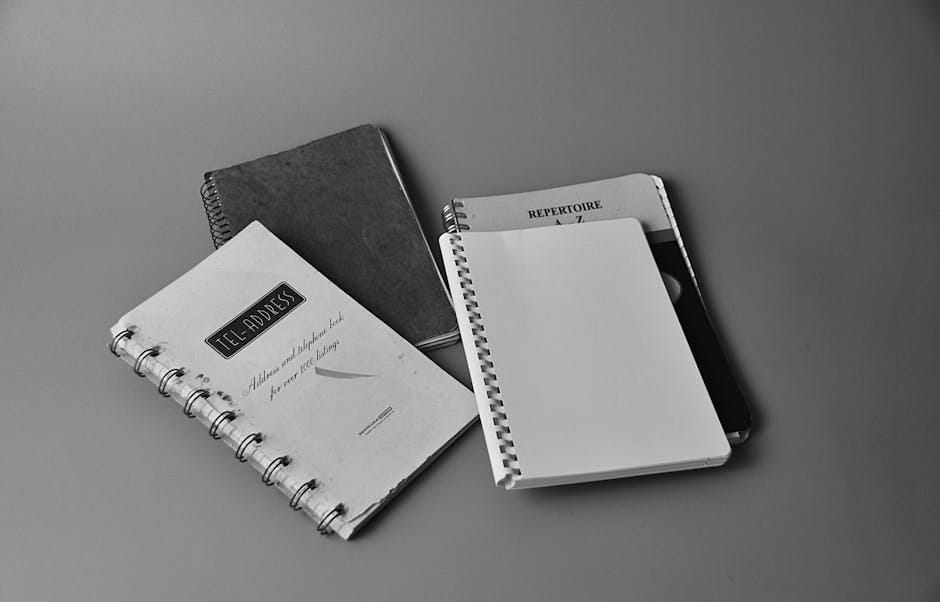
Let me be blunt with you: your book cover is doing one of two things right now. It's either opening doors and inviting readers into your world, or it's slamming those doors shut before anyone even gets a chance to read your brilliant first chapter. There is no middle ground.
After years of watching authors navigate the publishing landscape, I've seen this pattern play out hundreds of times. A talented writer pours their heart into a manuscript, spends months or even years perfecting every sentence, and then, in a moment of budget-consciousness or misplaced confidence, decides to create their own cover using Canva templates or a hasty Photoshop job.
The result? Their masterpiece gets overlooked while books with inferior content but superior covers fly off the virtual shelves.

The Three-Second Judgment
Here's the uncomfortable truth that every author needs to accept: readers judge books by their covers. Not sometimes. Not occasionally. Every single time.
When a potential reader scrolls through Amazon or browses a bookstore shelf, they make split-second decisions. Studies suggest this judgment happens in as little as three seconds. In that brief moment, your cover must communicate:
- The genre and tone of your book
- The quality of writing they can expect inside
- Whether this book is meant for them
- Your credibility as an author
A professionally designed cover accomplishes all of this instantly. A DIY cover? It often sends the opposite message - one that whispers "amateur" to readers who have been trained by years of exposure to recognize the difference.
Readers Can Tell the Difference
I want to address something that many self-publishing advocates won't tell you: readers are incredibly sophisticated at detecting cover quality, even if they can't articulate why.
Yes, Canva has beautiful templates. Yes, Photoshop is a powerful tool. But here's what happens when authors rely on these tools without professional design training:
- Stock images that appear on dozens of other book covers
- Typography that doesn't match genre conventions
- Color combinations that feel slightly "off"
- Composition that lacks visual hierarchy
- Elements that don't quite align or balance
Readers may not consciously notice these issues, but their subconscious does. That nagging feeling of "something isn't quite right" translates directly into a decision not to click, not to buy, not to take a chance on an unknown author.

The Professional Difference
Professional cover designers don't just make pretty pictures. They are students of the market. They understand that a thriller cover has different visual language than a romance cover. They know which fonts signal literary fiction versus commercial fiction. They've studied what's selling in your specific genre and why.
More importantly, they understand the psychology of book buying. A great designer knows how to:
- Create visual hooks that stop scrolling thumbs
- Use color psychology to evoke the right emotions
- Design for thumbnail size (where most buying decisions happen)
- Build brand consistency across a series
- Position your book alongside bestsellers in your genre
The Series Branding Opportunity
If you're writing a series - and in today's market, you should be - professional cover design becomes even more critical. A cohesive series look does something magical: it turns casual readers into collectors.
When readers see that your books share a unified visual identity, it signals that you're a serious author with a long-term vision. It creates anticipation for future releases. It makes your backlist look like a set that belongs together on someone's bookshelf.
Try achieving that level of brand consistency with Canva templates. It's nearly impossible without professional guidance.
An Investment, Not an Expense
I understand the financial pressures of self-publishing. Every dollar counts when you're building an author business from scratch. But here's how I want you to reframe the cover conversation:
A professional cover is not an expense. It's an investment in your book's success.
Consider this: if a better cover helps you sell even 50 more books, you've likely covered the cost of professional design. If it helps you break into bestseller lists, land a BookBub deal, or attract the attention of traditional publishers, the return on investment becomes exponential.
I've watched authors transform their careers with a single cover redesign. Books that languished for years suddenly found their audience. Series that struggled to gain traction became reader favorites. The cover was the catalyst that changed everything.
The Trajectory of Your Publishing Journey
Think of your author career as a path stretching into the future. Every decision you make - including your cover choice - affects the direction of that path.
A compelling, professional cover doesn't just sell one book. It builds your reputation. It tells readers, reviewers, and industry professionals that you take your craft seriously. It opens doors to opportunities that simply don't exist for authors who present themselves as amateurs.
Your cover is often the first impression you make on someone who could become a lifelong fan. Is that really the place to cut corners?

A Challenge for Authors
If you're reading this and feeling defensive about your current cover, I'd encourage you to do a simple exercise. Search for "bad book covers vs. great book covers" online. Look at the examples with fresh eyes. Then look at your own cover.
Be honest with yourself. Does your cover compete with the bestsellers in your genre? Would you pick up your book if you didn't know anything about it? Does it communicate the quality of the story waiting inside?
If the answer to any of these questions is "no" or even "maybe," it's time to invest in professional help.
Your Next Step
You've worked too hard on your book to let it be overlooked because of its packaging. Your story deserves a cover that matches the quality of your writing - one that stops readers mid-scroll, communicates your genre instantly, and positions you as the professional author you are.
Seek out professional cover designers who specialize in your genre. Look at their portfolios. Ask about their process. Invest in a cover that will work as hard for your book as you did writing it.
Check out our professional cover service at AuthorHub.io.
Because in the end, a truly standout cover isn't just about aesthetics - it's about giving your book the fighting chance it deserves in a crowded marketplace. And that's an investment that pays dividends for your entire author career.

Hi, I'm Tim Hewitt
CEO of AuthorHub.io
I won my first writing scholarship in high school by beating more than 300 other writers in a nationwide contest, and that award gave me something money couldn't buy: the belief that my words mattered. Since then I've spent decades learning what makes writing work: how to find your voice, how to keep readers turning pages, marketing that really sells books, and how to spot the small craft problems that quietly sink good stories. This blog is where I share everything I've picked up along the way.