The Reality of Book Press Release Services for Authors
Wednesday, March 25, 2026
If you've recently self-published a book - or are preparing to launch one - chances are you've been bombarded by ads promising guaranteed press release placement in outlets like The New York Times, Forbes, USA Today, and dozens of other prestigious publications. The pitch is seductive: pay a few hundred (or a few thousand) dollars, and your book will be featured in the same newspapers and magazines that cover bestselling authors. But how legitimate are these services, really? Do they actually drive book sales, or are they an elaborate money pit designed to prey on hopeful writers?
In this deep dive, we'll pull back the curtain on the author press release industry, examine how these services actually work behind the scenes, evaluate whether they deliver meaningful results, and help you decide if investing in one is a smart career move - or a costly mistake.
What Exactly Is a Book Press Release Service?
A book press release service is a company that writes and distributes a press release announcing your book's publication to media outlets, journalists, bloggers, and news aggregators. At the most basic level, this is a legitimate marketing tactic. Press releases have been used for decades by publishers, corporations, and public relations firms to generate media coverage.
However, the modern landscape of press release distribution has evolved dramatically - and not always in the author's favor. Today's services generally fall into three distinct categories:
- Wire Distribution Services: Companies like PR Newswire, Business Wire, and GlobeNewswire that send your release through established media channels. These are used by Fortune 500 companies and major publishers alike.
- Budget Distribution Services: Companies like PRWeb, eReleases, and Newswire that offer lower-cost distribution, often targeting smaller outlets, niche blogs, and online news aggregators.
- Author-Specific Press Release Services: Companies that specifically target self-published and indie authors, often bundling press release writing with distribution and making bold claims about placement in major outlets.
It's that third category where things get murky - and where most authors encounter trouble.
The "Guaranteed Placement" Promise: How It Really Works
The most common - and most misleading - claim made by author press release services is "guaranteed placement" in high-profile publications. You'll see screenshots of logos from ABC News, CBS, Fox News, The Chicago Tribune, and MarketWatch splashed across their sales pages. The implication is clear: your book will be featured in these outlets.
But here's what's actually happening behind the scenes:
Most of these services use syndication networks. When a press release is distributed through a wire service, it gets automatically syndicated - meaning it appears on the websites of affiliated news outlets. This is not the same as a journalist at Fox News writing a story about your book. It means your press release was posted in a "press releases" or "news wire" subsection of their website, often buried deep where virtually no human reader will ever see it.
Jane Friedman, a well-known publishing industry expert and former publisher of Writer's Digest, has written extensively about this phenomenon. As she explains: "When a service says your book will appear on ABC, NBC, or Fox, they're referring to syndicated press release sections, not editorial coverage. No journalist reviewed your book. No editor decided it was newsworthy. A wire service simply pushed your release to their network, and it appeared automatically."
This distinction is critical. There's a world of difference between:
- Your press release appearing in the syndicated wire section of a news website (essentially invisible to readers)
- A journalist or reviewer at that outlet writing an actual article or review about your book (genuine editorial coverage)
The first scenario is what these services deliver. The second is what they imply they deliver. That gap between implication and reality is where the ethical problems begin.
The Anatomy of a Typical Author Press Release Package
To understand the value proposition - or lack thereof - let's break down what a typical author press release service offers and what it costs:
Typical Package ($200–$1,500):
- Professional press release writing (400–600 words)
- Distribution to 200–500+ media outlets
- "Guaranteed" placement on major news websites
- A report showing all the sites where your release appeared
- An "As Seen On" badge with major outlet logos for your website
- Sometimes: social media sharing or email outreach to journalists
On the surface, this seems reasonable. A professionally written press release distributed to hundreds of outlets for a few hundred dollars? What's not to like?
The problem is that the deliverables are largely cosmetic. The "placement" on major outlets is syndicated wire content that generates virtually zero traffic. The distribution to "500+ outlets" often means the release was sent to a database - not that 500 editors read it. And the "As Seen On" badge, while technically accurate, is fundamentally misleading to anyone who sees it on your website.
Do Press Releases Actually Sell Books?
This is the million-dollar question, and the answer, according to virtually every publishing industry expert, is a resounding no, at least not in the way these services suggest.

David Gaughran, author of Let's Get Digital and a leading voice in indie publishing, has been particularly vocal about this issue. He notes that "press releases are a tool designed for newsworthy events - a major acquisition, a product recall, a celebrity announcement. A self-published book, no matter how good, is not inherently newsworthy to mainstream media outlets. Sending a press release about it through a wire service is like shouting into a hurricane."
The data backs this up. Consider the following realities:
- Syndicated press releases get almost no organic traffic. These pages are typically not indexed prominently by Google and receive negligible page views. Most are removed after 30–90 days.
- Journalists don't discover books through wire services. Book reviewers and literary journalists find books through publishers, literary agents, personal pitches, advance review copies, and established relationships - not through mass-distributed press releases.
- The "social proof" is hollow. Savvy readers, agents, and industry professionals can easily identify syndicated wire content. Using an "As Seen On NBC" badge when your book was never actually covered by NBC can damage your credibility.
- No measurable sales lift. Authors who have tracked their Amazon sales rank before and after press release distribution consistently report no meaningful change in sales volume.
Mark Dawson, the bestselling thriller author and host of the Self Publishing Formula podcast, has discussed this topic with his audience of over 100,000 indie authors. His assessment is blunt: "I've never met a single indie author who could trace meaningful book sales back to a press release service. Not one. The money is almost always better spent on targeted advertising."
Red Flags: How to Spot a Predatory Service
Not all press release services are outright scams - some are legitimate PR tools being marketed to the wrong audience. But many services specifically targeting authors do exhibit predatory characteristics. Here are the warning signs to watch for:
🚩 Major Red Flags
- Guaranteed placement in specific major outlets. No legitimate PR professional can guarantee editorial coverage. Syndicated wire placement is not the same thing.
- Vague metrics like "reach" or "impressions." Claiming your release will "reach 100 million readers" is meaningless. Reach measures potential audience, not actual engagement.
- Aggressive upselling. If the initial service leads to constant pressure to buy additional packages, premium placements, or "enhanced" distribution, be wary.
- Testimonials without verifiable results. Look for testimonials that mention actual sales numbers or measurable outcomes, not just "I was thrilled to see my book on Fox News!"
- No refund policy or satisfaction guarantee. Legitimate services stand behind their work.
- They cold-email or cold-call you. Reputable PR firms don't typically solicit self-published authors through unsolicited outreach. If they found you, it's because you're on a list of potential targets.
- They promise bestseller status. Any service that implies a press release will make your book a bestseller is being dishonest.
When Press Releases CAN Work for Authors
To be fair, press releases aren't entirely useless in every scenario. There are specific situations where a well-crafted press release, distributed strategically, can provide genuine value:
- Local media coverage. A press release sent to your hometown newspaper, local TV station, or regional magazine can result in genuine editorial coverage. Local outlets are far more likely to cover a "local author publishes book" story than national outlets.
- Niche industry publications. If your book is about a specific topic (healthcare, technology, education), a targeted press release to relevant trade publications can generate real interest.
- Newsworthy angles. If your book ties into a trending news story, a current event, or a cultural moment, a press release can help journalists discover you as a relevant source or expert.
- Part of a broader PR strategy. When combined with personal media pitches, review copies, and relationship-building with journalists, a press release can serve as a supporting element in a comprehensive campaign.
- SEO and online presence. Some press releases, particularly those on high-authority domains, can provide modest SEO benefits and improve your online footprint when someone Googles your name.
The key difference is targeting. A mass-distributed press release sent to 500 generic outlets will accomplish almost nothing. A carefully crafted pitch sent to 20 relevant journalists who cover your genre or topic can yield real results.
Better Alternatives: Where to Spend Your Marketing Budget
If you have $500–$1,500 to spend on book marketing - the typical cost of a press release package - there are significantly more effective ways to invest that money:
✅ Higher-ROI Marketing Investments
- Amazon Advertising ($300–$1,000): Targeted ads that appear when readers search for books in your genre. Directly measurable sales results.
- BookBub Featured Deal ($200–$2,000+): If accepted, a BookBub promotion can generate hundreds or thousands of sales in a single day.
- Facebook/Instagram Ads ($300–$500): Highly targeted ads reaching readers who enjoy similar authors. Excellent for building an audience that you own and can continue to market to for free.
- Professional Book Cover Design ($300–$600): If your current cover isn't competitive, a redesign will outperform any press release.
- Email List Building ($200–$500): Investing in a reader magnet and email service to build a direct audience you own and can market to repeatedly.
- Advance Review Copies to Book Bloggers (Free–$200): Sending physical or digital copies to genre-specific book bloggers and reviewers who actually influence reader purchasing decisions.
- Hire a Book Publicist ($1,000+): A real publicist who personally pitches journalists will accomplish more than any wire distribution service.

Real Author Experiences: What the Community Says
Author communities on Reddit (r/selfpublish, r/writing), the KBoards/kboards writer's forum, and Facebook groups like "20BooksTo50K" are filled with firsthand accounts from authors who have used these services. The consensus is remarkably consistent:
"I paid $800 for a press release package that promised placement on 400+ news sites. I got a spreadsheet showing my release appeared on sites I'd never heard of, plus the syndication sections of a few big-name outlets. My Amazon rank didn't budge. Not a single person contacted me. Complete waste of money."
— Self-published author, r/selfpublish
"The only press release that ever worked for me was one I wrote myself and emailed directly to my local newspaper editor. She ran a full feature story with a photo, and I sold 50 books at a local signing the following weekend. The $500 national wire distribution I did? Zero results."
— Indie author, 20BooksTo50K Facebook group
These accounts align perfectly with what industry experts say: targeted, personal outreach beats mass distribution every single time.
The Verdict: Scam, Waste, or Legitimate Tool?
So where does this leave us? Let me offer a nuanced assessment:
The Honest Assessment
Are they outright scams? Most are not, technically. They do deliver what they promise — your press release does appear on those websites. The service is rendered.
Are they misleading? Absolutely. The way these services market themselves - implying editorial coverage, suggesting major media exposure, hinting at sales impact - is fundamentally deceptive. They exploit the gap between what authors imagine and what actually happens.
Are they worth the money? For the vast majority of self-published authors, no. The ROI is essentially zero in terms of book sales, reader acquisition, or meaningful media exposure.
Are they ever appropriate? In rare cases - when combined with a broader PR strategy, targeted at niche outlets, or used for local media outreach - a press release can be one small piece of an effective marketing puzzle. But it should never be the centerpiece.
My Recommendation for Authors
If you're a self-published or indie author considering a press release service, here's my straightforward advice:
- Skip the mass-distribution press release services. Your money is almost certainly better spent elsewhere. The "As Seen On" badges aren't worth the investment, and the sales impact is negligible.
- Learn to pitch media yourself. A personal, well-crafted email to a specific journalist or book blogger will accomplish more than a press release sent to 500 generic contacts. Resources like Writer's Digest and Jane Friedman's blog offer excellent guides on media pitching.
- Focus on your local media first. Your hometown newspaper, local radio station, and regional magazines are far more likely to cover your book - and that coverage actually reaches real readers.
- Invest in reader-facing marketing. Amazon ads, BookBub promotions, social media advertising, and email list building put your book directly in front of people who buy and read books in your genre.
- If you do want PR help, hire a real publicist. A book publicist who personally pitches media contacts, follows up, and has established relationships with editors and reviewers will deliver genuine results - though expect to pay $2,000–$10,000+ for quality representation.
- Always ask for case studies with verifiable data. Before paying any service, ask for specific examples of authors who saw measurable sales increases. If they can't provide them, walk away.
Final Thoughts
The author press release industry thrives on a painful truth: writing a book is an enormous achievement, and every author deserves to have their work seen by the world. These services monetize that desire by offering the appearance of major media coverage without the substance. They sell the dream of being "featured in Forbes" while delivering a syndicated wire posting that no one will ever read.
That doesn't make every press release service a scam in the legal sense. But it does make most of them a poor investment for authors who are hoping to sell more books. Your marketing dollars are precious, so spend them where they'll actually reach readers, not where they'll generate impressive-sounding but ultimately hollow credentials.
The best marketing for any book remains the same as it's always been: write an excellent book, give it a professional cover, make sure it's discoverable by your target readers, and build genuine relationships with the people who can amplify your work. No press release can substitute for that foundation.
We can help with everything to make your book more attractive to readers at AuthorHub.io.
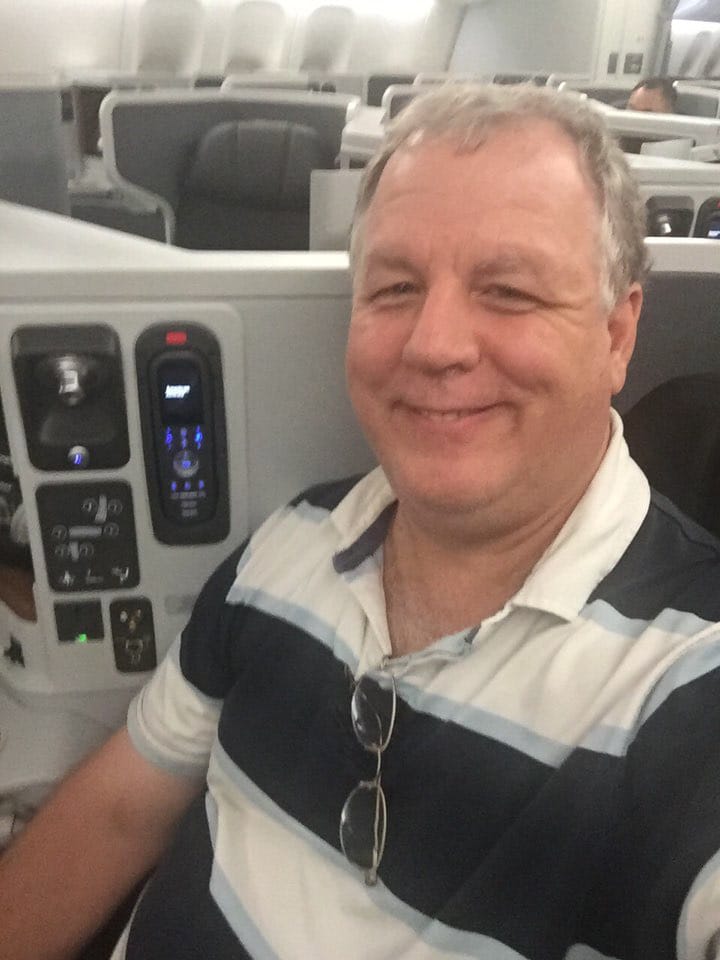
Hi, I'm Tim Hewitt
CEO of AuthorHub.io
I won my first writing scholarship in high school by beating more than 300 other writers in a nationwide contest, and that award gave me something money couldn't buy: the belief that my words mattered. Since then I've spent decades learning what makes writing work: how to find your voice, how to keep readers turning pages, marketing that really sells books, and how to spot the small craft problems that quietly sink good stories. This blog is where I share everything I've picked up along the way.