Understanding eBook Availability in Libraries: Why Waitlists Happen
Thursday, May 07, 2026
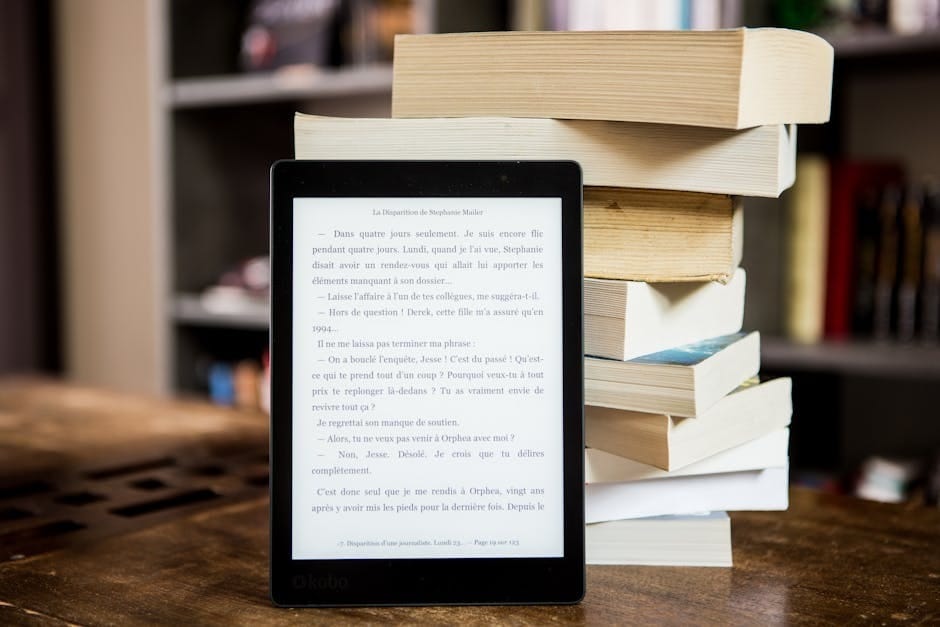
You settle into your favorite reading spot, open your library's digital catalog, and find the perfect eBook. You tap "Borrow" - only to be met with a frustrating message: "No copies available." Wait, what? It's a digital file. How can a library run out of something that doesn't physically exist? The answer lies in a complex web of digital licensing agreements that govern how libraries lend eBooks - and understanding it can change the way you think about digital reading forever.
Why Can a Library "Run Out" of a Digital File?
It seems counterintuitive. A digital file can be copied infinitely at virtually zero cost. But eBooks in libraries don't work the way most people assume. When a library acquires an eBook, it doesn't purchase the file outright the way you might buy a paperback. Instead, it purchases a license - a legal agreement that dictates exactly how the eBook can be used.
These licensing agreements are set by publishers or distributors, and they almost universally impose a critical restriction: only a limited number of patrons can borrow a single eBook license at the same time. In most cases, one license equals one simultaneous checkout. This is known as the "one copy, one user" model, and it mirrors the physical lending experience by design.
So when you see "no copies available," it means every license the library owns for that title is currently checked out to another patron. The library might own two or three licenses for a popular bestseller, but if four people want to read it at the same time, someone is going on a waitlist.
The Economics Behind Digital Library Licensing
The licensing landscape is even more nuanced than it first appears. Publishers use several different models to sell eBook licenses to libraries, and each comes with its own set of limitations:
- One Copy, One User: The most common model. The library buys a license, and only one patron can borrow it at a time - just like a physical book on a shelf. The license may last forever or expire after a set period.
- Metered Access: A license expires after a certain number of checkouts (often 26) or after a fixed time period (typically one or two years), after which the library must repurchase it.
- Cost-Per-Circ: The library pays a fee each time a patron borrows the eBook. There's no upfront purchase, but costs can add up quickly for popular titles.
- Simultaneous Use: Rarely offered for new releases, this model allows unlimited patrons to borrow a title at once - but it comes at a significantly higher price point.
To put this in perspective, a library might pay $14.99 for a consumer Book that lasts forever. But the same title licensed to a library could cost $55 to $85 - and it might expire after two years or 26 loans, whichever comes first. For a library serving thousands of patrons on a limited budget, these costs add up dramatically.
Why Publishers Limit Digital Lending
From the publisher's perspective, the restrictions exist to protect their business model. If a library could lend unlimited copies of a new bestseller to every patron simultaneously, the argument goes, fewer people would buy the book. Publishers worry that frictionless digital lending could erode retail sales - especially in the critical first weeks after a book's release, when most revenue is generated.
Some major publishers have taken this concern even further. Certain publishers impose embargo periods on new releases, meaning libraries cannot purchase eBook licenses until weeks or even months after the book goes on sale to consumers. Others restrict libraries to purchasing only a limited number of copies within the first several months of publication.
It's worth noting that this is an ongoing debate in the publishing and library worlds. Library advocates argue that library lending actually drives book sales by introducing readers to new authors. The American Library Association and other organizations continue to push for more equitable licensing terms.
For Authors: How to Get Your eBook Into Libraries
If you're an author - whether traditionally published or self-published - getting your eBook into library systems is one of the smartest moves you can make. Libraries represent a massive, engaged readership. Patrons who discover your book through a library borrow often become lifelong fans who purchase your future titles. Here's how to make it happen.

Step 1: Understand the Major Distribution Platforms
Libraries don't purchase eBooks directly from Amazon or individual author websites. They acquire titles through specialized digital distribution platforms. The two most important platforms you need to know are:
- OverDrive (Libby): The dominant platform in library digital lending, serving over 90,000 libraries and schools worldwide. If your eBook is available through OverDrive, it can be discovered and borrowed by millions of patrons using the popular Libby app.
- Baker & Taylor (Axis 360): Another major distributor that works with thousands of public and academic libraries. Their platform provides an alternative channel to reach library patrons.
- Bibliotheca CloudLibrary: A growing platform used by many library systems, offering another avenue for eBook distribution.
- Hoopla (Midwest Tape): Uses a cost-per-circulation model where libraries pay each time a patron borrows. This means no waitlists for readers, and your book is always "available."
Step 2: Choose Your Path to Distribution
For traditionally published authors: Your publisher typically handles library distribution. However, it's worth confirming with your publisher that your eBook is being made available to library platforms. Not all publishers automatically opt into every distribution channel, and you may need to advocate for library inclusion in your contract.
For self-published authors: You'll need to use an aggregator service to get your eBook onto library platforms. The most popular options include:
- Draft2Digital: Distributes to OverDrive, Baker & Taylor, Bibliotheca, and Hoopla. Free to use - they take a percentage of each sale or lending fee.
- PublishDrive: Offers wide library distribution along with detailed analytics to track your library lending performance.
- StreetLib: Another aggregator with library distribution capabilities across multiple platforms.
- Smashwords (now part of Draft2Digital): Long-standing platform with established library distribution relationships.
Step 3: Prepare Your eBook for Library Distribution
Before submitting your eBook, make sure it meets professional standards. Libraries and their patrons expect quality:
- Ensure your eBook is professionally formatted in EPUB 3 format (the current industry standard for libraries)
- Invest in a professional cover design - librarians often curate collections visually
- Include complete and accurate metadata: title, author name, ISBN, genre categories, and a compelling description
- Obtain an ISBN specifically for your eBook edition (separate from your print ISBN)
- Set your library pricing - aggregators typically let you choose pricing tiers or use recommended library pricing
Step 4: Promote Your Library Availability
Once your eBook is available in library systems, don't just wait for it to be discovered. Actively promote it:
- Add "Available at your local library" messaging to your website and social media
- Reach out to local librarians directly - they love hearing from authors and may feature your book
- Encourage your readers to request your book at their library (more on this below)
- Offer to do author talks or virtual events with library systems
- Include library availability information in your email newsletter
For Readers: How to Request New eBooks at Your Library
Here's something many library patrons don't realize: you have a direct voice in what your library carries. Libraries actively want to know what their communities want to read. If there's an eBook you're looking for that isn't in your library's catalog, you don't have to just accept it - you can take action.
Talk to Your Librarians
This is the most direct and often the most effective approach. Librarians are passionate about connecting readers with books, and they genuinely appreciate when patrons make suggestions. You can:
- Visit the reference desk and ask about requesting a new eBook title
- Send an email to your library's acquisitions or collection development department
- Call your library and ask to speak with someone about purchase suggestions
- Chat with a librarian online - many library systems offer live chat support
When making your request, include as much information as possible: the book's title, author, ISBN if you have it, and why you're interested. If multiple patrons request the same title, libraries are more likely to prioritize the purchase.
Use Your Library's Digital Request System
Many modern library systems have built-in tools that make requesting titles incredibly easy:
- Libby/OverDrive "Recommend" Button: When you search for a title in the Libby app and it's not available, you'll often see a "Recommend to your library" option. Tap it, and your request goes directly to your library's collection team.
- Library Website Request Forms: Check your library's website for a "Suggest a Purchase" or "Request a Title" form. Most library systems have one, though it might take some digging to find.
- Library Catalog "Can't Find It?" Links: Some library catalogs include links specifically for reporting titles you'd like to see added to the collection.
- Interlibrary Loan (ILL): If your library doesn't own a title, they may be able to borrow a digital license from another library system through interlibrary loan programs.
More Ways to Make an Impact
- Rally fellow readers: If you're part of a book club, encourage all members to request the same title. Multiple requests signal high demand and fast-track purchases.
- Attend library board meetings: These are public meetings where you can advocate for increased digital collection budgets.
- Follow your library on social media: Libraries often announce new digital acquisitions and survey patrons about what they want to see next.
- Use your library card regularly: Every checkout, hold, and digital borrow generates usage data that helps libraries justify their budgets and make purchasing decisions.
Why Supporting Your Local Library Matters More Than Ever
In an age of subscription services and instant digital gratification, it's easy to overlook the library down the street. But libraries are far more than quiet buildings with dusty shelves - they are dynamic, evolving hubs of literary resources that serve as the great equalizer of information access.
Your local library provides free access to print books, eBooks, audiobooks, digital magazines, streaming services, educational databases, and so much more - all funded by your community and available to every single resident regardless of income. When you borrow an eBook from the library, you're not just getting a free read. You're participating in a system that:
- Ensures equitable access to knowledge and literature for all community members
- Supports authors through legitimate lending that generates licensing revenue
- Generates usage data that helps libraries secure funding and expand collections
- Introduces readers to diverse voices and new genres they might never discover otherwise
- Preserves the principle that access to information should not depend on personal wealth
The next time you encounter that "no copies available" message, remember that it's not a flaw in the system - it's a reflection of the complex negotiations between publishers, libraries, and the digital marketplace. And remember that you have the power to shape your library's collection through your requests, your usage, and your advocacy.
Whether you're an author looking to expand your readership or a reader hungry for your next great book, the library remains one of the most powerful institutions in our literary ecosystem. Use it, support it, and help it grow.
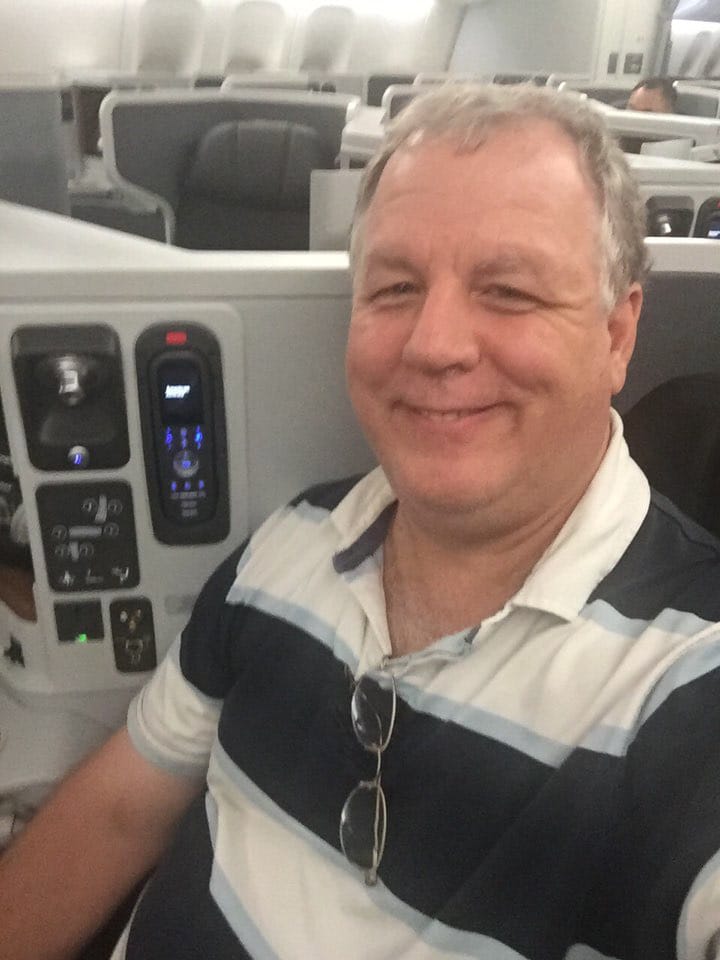
Hi, I'm Tim Hewitt
CEO of AuthorHub.io
I won my first writing scholarship in high school by beating more than 300 other writers in a nationwide contest, and that award gave me something money couldn't buy: the belief that my words mattered. Since then I've spent decades learning what makes writing work: how to find your voice, how to keep readers turning pages, marketing that really sells books, and how to spot the small craft problems that quietly sink good stories. This blog is where I share everything I've picked up along the way.