
Volcanic Missteps: Catalyzing the Apocalypse in Fiction
Saturday, April 11, 2026
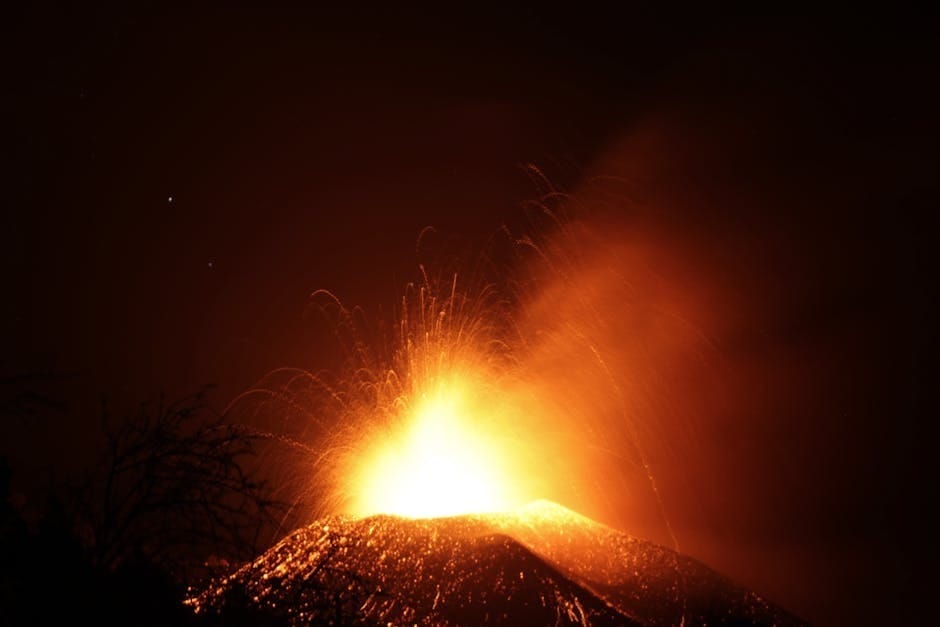
What if the most terrifying apocalyptic novel you could write wasn't born from pure imagination - but from an actual NASA proposal sitting in a government report right now? What if the real-world plan to save humanity from a supervolcano was the very thing that destroyed it?
Welcome to the most electrifying intersection of real science and speculative fiction I've encountered in years. If you're a writer looking for a premise that feels both terrifyingly plausible and cinematically epic, pull up a chair. This one's for you.
The Real Science: NASA's $3.46 Billion Gamble
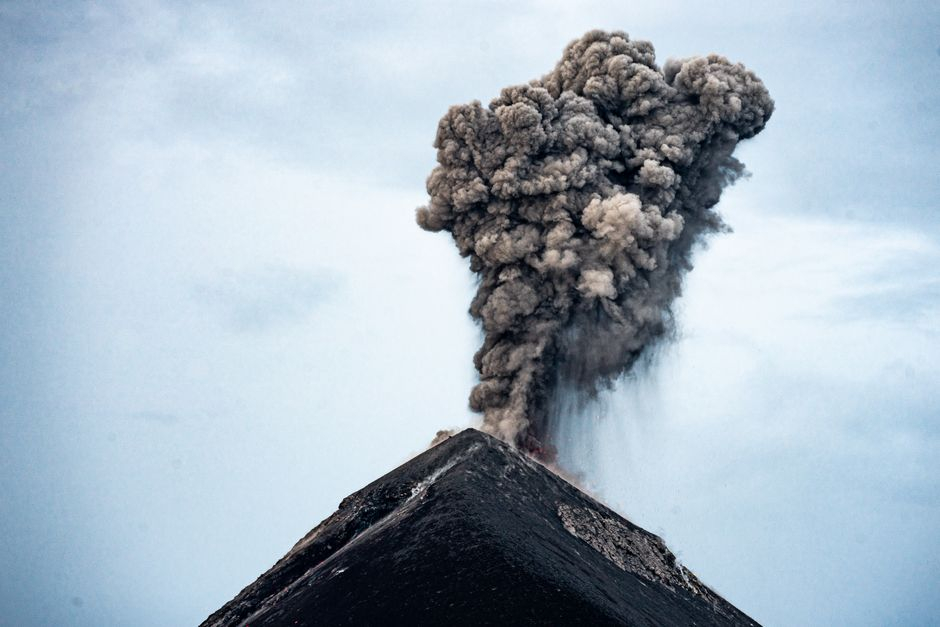
Here's the non-fiction part, and it reads like the opening chapter of a techno-thriller. Beneath Yellowstone National Park lies one of the largest supervolcanoes on Earth - a magma chamber roughly 40 by 80 kilometers wide, holding enough thermal energy to power the entire United States for thousands of years. NASA scientists have openly acknowledged that a full eruption would be one of the most catastrophic natural events in human history, blanketing the continent in ash, collapsing global agriculture, and potentially triggering a volcanic winter lasting decades.
So what did NASA propose? A plan that sounds like it was lifted straight from a science fiction screenplay: drill down into the supervolcano and pump high-pressure water into it to slowly extract heat, cooling the magma chamber over centuries and reducing the eruption risk. The estimated cost? Around $3.46 billion. The bonus? The extracted geothermal energy could generate electricity at roughly $0.10 per kilowatt-hour, potentially making the project self-funding.
It's brilliant. It's ambitious. And buried in NASA's own assessment is a quiet, devastating admission: if anything goes wrong - if the drilling penetrates too deep, if the water reaches the wrong pocket, if the pressure calculations are even slightly off - the intervention itself could trigger the very eruption it was designed to prevent.
Read that again. The plan to save us could be the thing that kills us.
If that doesn't make your storytelling instincts light up like a seismograph during an earthquake, I don't know what will.
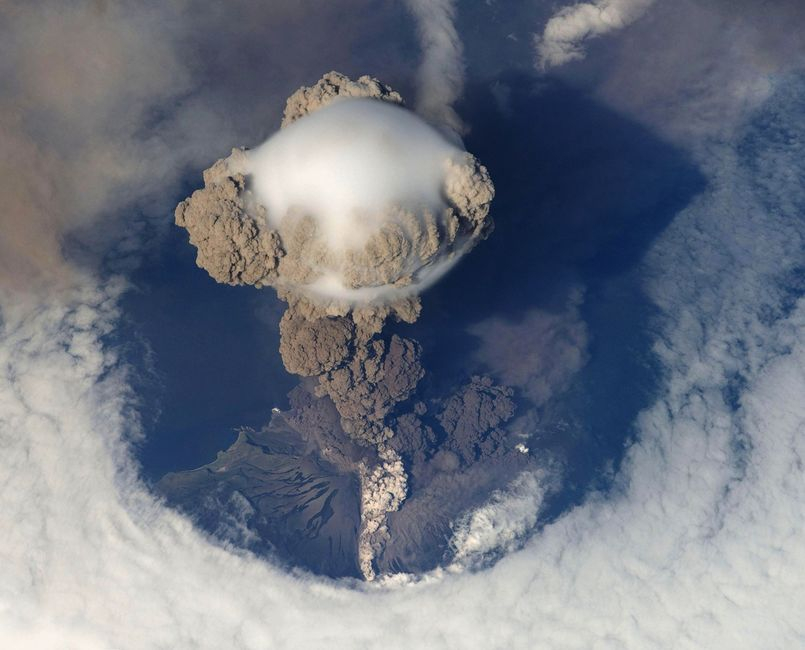
The Fictional Scenario: When Good Intentions Crack the Earth Open
Now let's step through the looking glass. Imagine the novel.
The year is 2031. After a series of alarming seismic readings and a United Nations emergency summit, the world's governments greenlight Project Prometheus - an international effort to neutralize the Yellowstone supervolcano using NASA's cooling method. The project is led by a brilliant but politically embattled geothermal engineer, someone who has staked their entire career and reputation on the science being sound. The drilling begins. The world watches. Hope fills the news cycle for the first time in years.
Then, 14 months into the operation, at 3:47 AM on a Tuesday, a drill team working the night shift hits a previously undetected hydrothermal pocket. Superheated water - trapped under immense pressure for millennia - meets the injected coolant in a catastrophic phreatic reaction. The resulting steam explosion is so violent it registers as a 5.8 magnitude earthquake. Within hours, a chain reaction of fractures begins propagating through the caldera's cap rock.
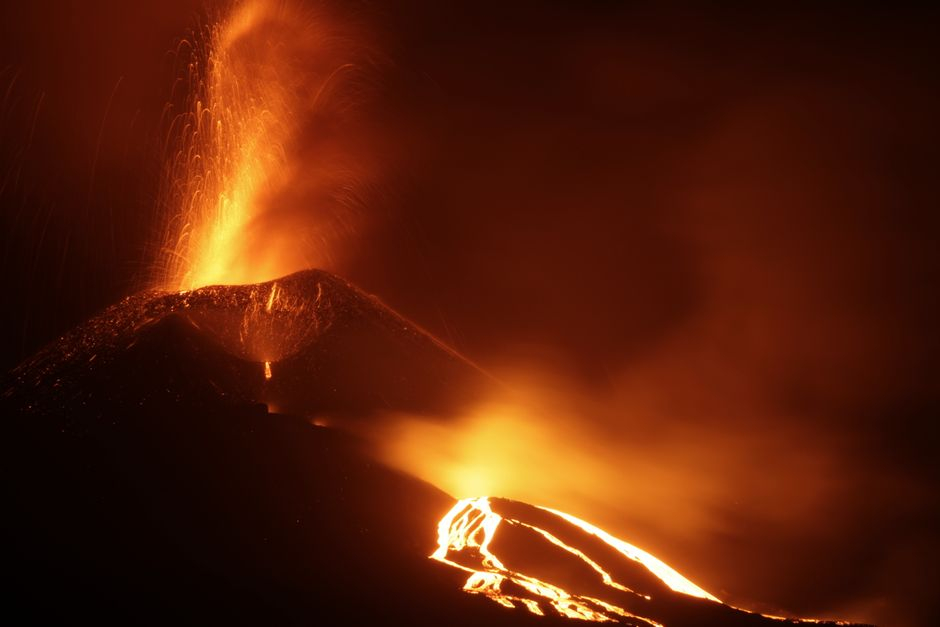
The eruption doesn't happen all at once. That's what makes it narratively devastating. It builds. Over days and weeks, the characters - and the reader - watch the slow, agonizing unraveling of everything. Steam vents open across the park. Geysers erupt in places they've never been seen before. The ground swells. Animals flee. And the people responsible for Project Prometheus must confront the most horrifying realization a human being can face: we did this. We caused the end of the world while trying to save it.
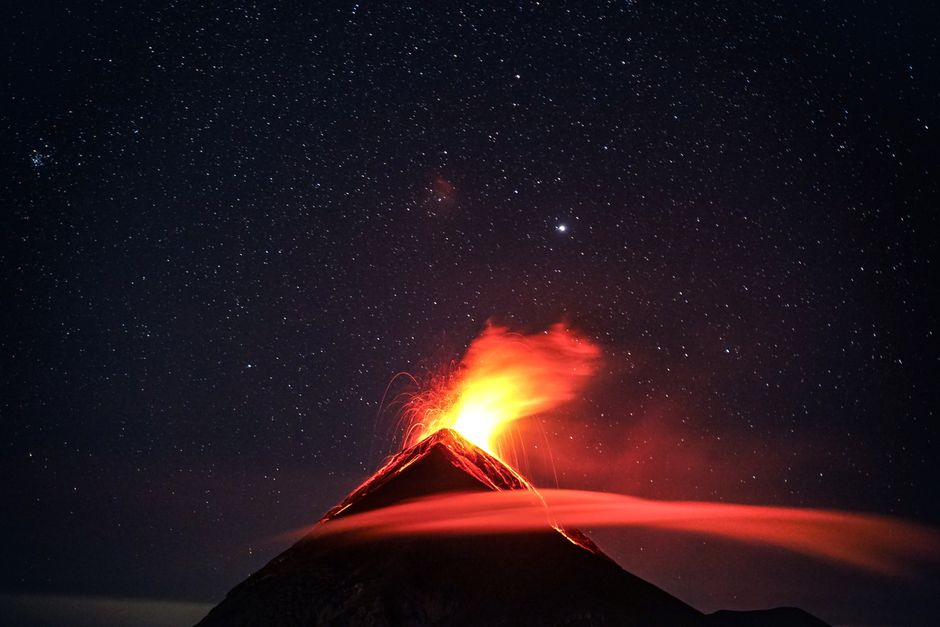
Why This Premise Is a Storytelling Goldmine
Most apocalyptic fiction relies on external threats - asteroids, alien invasions, pandemics that emerge from nature's chaos. Those stories work, but they share a common limitation: the catastrophe is something that happens to humanity. The Yellowstone scenario flips that paradigm entirely. Here, humanity is both the hero and the villain. The catastrophe is a direct consequence of our best qualities - our intelligence, our ambition, our refusal to accept fate.
Consider the layers of dramatic tension this premise offers:
- Moral complexity. The scientists aren't mad or reckless. They're careful, peer-reviewed, and genuinely trying to prevent extinction. The tragedy is that they were almost right.
- Political drama. Imagine the debates - the senators who championed the project, the activists who protested it, the whistleblower who raised concerns about the hydrothermal mapping data and was silenced for "causing public panic."
- Intimate human stories. The drill operator on the night shift who felt the first tremor. The park ranger who noticed the elk behaving strangely three days before. The lead engineer's spouse watching the news unfold, knowing their partner is at the epicenter.
- Global cascading consequences. Ash clouds grounding flights across North America. Agricultural collapse in the Midwest. Climate refugees by the hundreds of millions. International blame and the fracturing of alliances.
- The question of hubris. At what point does our desire to control nature become the most dangerous force on the planet? This is Icarus with a $3.46 billion budget.
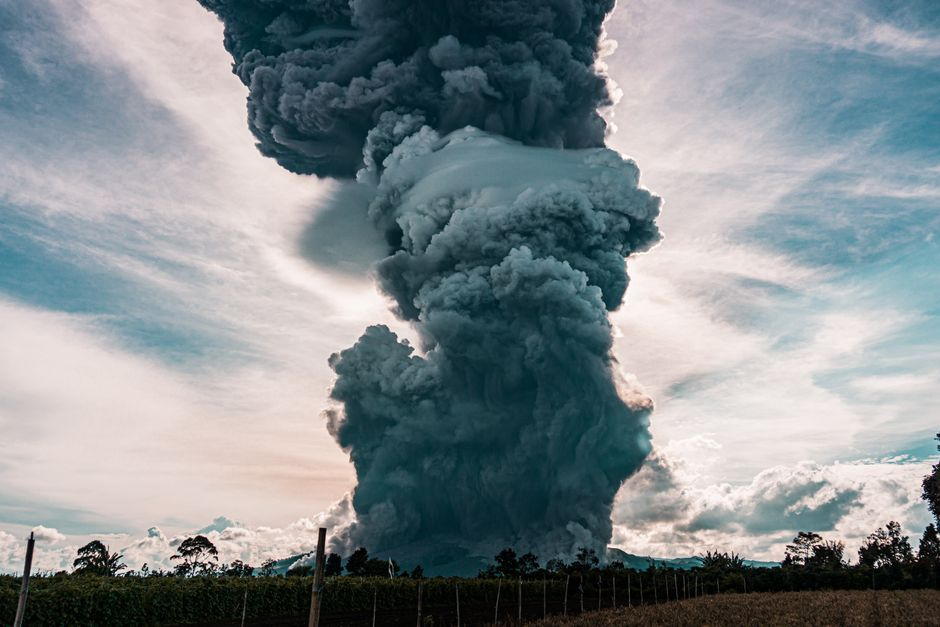
The Characters Write Themselves
One of the hallmarks of a truly great premise is that the characters emerge naturally from the situation. And this scenario is overflowing with them.
There's the project lead - a man who spent twenty years advocating for proactive intervention, who convinced Congress, who stood at the podium and told the world "we can do this." Now he stands in a command center watching his life's work become humanity's gravestone. Does he try to fix it? Does he run? Does he confess to the flaw in the data he noticed six months ago and chose to overlook because the project was too important to delay?
There's the junior geologist who wrote a dissenting paper about the hydrothermal mapping methodology, was told it was "alarmist," and buried the concern to protect her career. Now she's watching the exact failure mode she predicted unfold in real time. She has knowledge that could help manage the crisis - but coming forward means admitting she stayed silent when it mattered.
There's the FEMA director who has 72 hours to evacuate 40 million people from the projected ash zone with infrastructure designed for hurricanes, not supervolcanoes. There's the President who must decide whether to tell the public the full truth or manage information to prevent mass panic. There's the family in Bozeman, Montana, 90 miles from the caldera, trying to get their kids to safety on roads that are already gridlocked.
Every single one of these characters carries a different facet of the central theme: what happens when humanity's reach exceeds its grasp?
Real Science as Your Foundation, Not Your Limitation
Here's what I love most about this approach to storytelling: the science is real. You don't have to invent a doomsday device or hand-wave the physics. NASA genuinely proposed this. Volcanologists genuinely flagged the risks. The geological mechanics of phreatic explosions, hydrothermal systems, and caldera collapse are well-documented and peer-reviewed. Your novel can be grounded in actual science, which gives it a credibility that pure invention can never match.
But - and this is crucial - the science is your foundation, not your cage. You're writing fiction. You get to decide how the failure cascades. You get to invent the specific personalities, the political dynamics, the small human moments that make readers weep. You get to compress timelines for dramatic effect, create composite characters, and explore "what if" branches that no scientific paper would ever touch.
The best science fiction has always lived in this space - the gap between what we know and what we fear. Michael Crichton built an empire there. Andy Weir lives there. This Yellowstone premise is an open invitation to join them.
The Themes That Resonate Beyond the Explosion
A supervolcano eruption is spectacular. It's cinematic. It sells books. But the truly great apocalyptic novels - The Road, Station Eleven, On the Beach - endure because of what they say about us, not what they say about the disaster. And this premise is uniquely rich in thematic material.
- The paradox of intervention. When is doing nothing the braver choice? When does "fixing" a problem create a worse one?
- Institutional hubris. How do large organizations - governments, agencies, corporations - convince themselves that risk is manageable when the stakes are existential?
- The weight of responsibility. What does it mean to live as the person whose decision ended civilization? Is guilt even a meaningful concept at that scale?
- Survival and rebuilding. In the aftermath, what kind of society emerges? Do people blame science itself? Does a new anti-technology movement rise from the ashes - literally?
- Love in the shadow of extinction. How do relationships change when the sky turns gray and doesn't clear? What do people hold onto? What do they let go?
Structuring the Novel: A Possible Framework
If I were outlining this book - and believe me, I've been tempted - I'd consider a three-act structure that mirrors the project itself:
Act One: The Promise. Introduce the world on the brink. The seismic data is alarming. The political will coalesces. Project Prometheus launches to global fanfare. We meet our characters in their element - brilliant, flawed, hopeful. The drilling begins. Early results are encouraging. The reader, knowing what's coming, feels the dread building beneath the optimism like magma beneath stone.
Act Two: The Fracture. The accident. The chain reaction. The dawning horror. This act is about the collapse - not just geological, but personal, institutional, political. Characters are forced into impossible choices. Alliances shatter. The truth about suppressed data emerges. The eruption builds, and with it, the emotional stakes escalate to unbearable levels.
Act Three: The Ash. The aftermath. The world transformed. This is where the novel earns its place on the shelf. Not through spectacle, but through the quiet, devastating human moments in a world forever changed. A mother teaching her child what blue sky used to look like. A scientist planting seeds in volcanic soil, hoping. A handwritten letter found in the ruins of the Yellowstone command center, never sent.
Your Turn: The Caldera Is Waiting
Here's my challenge to you, fellow writers. This premise is sitting there - rooted in real science, rich with dramatic potential, and almost entirely unexplored in fiction. The NASA report is publicly available. The volcanology is well-documented. The "what if" is practically writing itself.
Ask yourself these questions and see where they take you:
- If you were the lead scientist, would you have approved the drilling? What would it take to make you say no?
- How would your characters handle the knowledge that their best intentions caused the worst outcome in human history?
- What does "hope" look like in a world buried under three feet of volcanic ash?
- Would society blame science, government, or fate? How would that blame reshape civilization?
- What small, intimate story would you tell against this enormous backdrop?
The greatest stories don't come from nowhere. They come from the collision between what's real and what's possible - from that electric space where documented science meets the boundless territory of human imagination. NASA handed us the premise. The volcano is providing the setting. The characters are waiting in the wings.
All that's missing is a writer brave enough to light the fuse.
Are you working on an apocalyptic novel or exploring science-inspired fiction? I'd love to hear about your project. Share your thoughts, your premises, your "what ifs" - because every great novel starts as a question someone dared to ask out loud.
Hi, I'm Tim Hewitt
CEO of AuthorHub.io
I won my first writing scholarship in high school by beating more than 300 other writers in a nationwide contest, and that award gave me something money couldn't buy: the belief that my words mattered. Since then I've spent decades learning what makes writing work: how to find your voice, how to keep readers turning pages, marketing that really sells books, and how to spot the small craft problems that quietly sink good stories. This blog is where I share everything I've picked up along the way.