Amazon Deleted My KDP Account! What Now?
Thursday, July 02, 2026

Imagine waking up one morning, coffee in hand, ready to check your overnight sales. You open your KDP dashboard and find a message you never expected: your account has been terminated. Just like that. No warning, no phone call, no grace period. Every book you have ever published on Amazon, gone from the store. Every royalty in your pending balance, frozen.
That gut-drop feeling is real, and it happens to authors more often than Amazon would like to admit. If it has happened to you, or if you are reading this because you want to make sure it never does, take a breath. This is a serious setback, but it is not the end of your publishing career. Not even close.
Why Amazon KDP Terminates Accounts
Amazon does not always explain itself clearly, but there are common patterns behind most account terminations. Understanding these is the first step, both for authors trying to appeal a closure and for those who want to protect themselves going forward.
- Copyright infringement claims. Even a single DMCA complaint, whether valid or not, can trigger a review. If you use stock images, ghostwritten content, or public domain material, make sure your rights are airtight and documented.
- Misleading or low-quality content. Books that do not deliver what their titles, descriptions, or covers promise are a red flag. Amazon has cracked down hard on content farms and AI-generated filler dressed up as real books.
- Duplicate or repetitive publications. Publishing the same book under multiple titles, slightly reformatted, is a violation. So is flooding the store with near-identical content across multiple pen names.
- Metadata manipulation. Stuffing keywords into your title, using misleading categories, or writing descriptions designed to game the algorithm rather than inform readers can all trigger penalties.
- Review manipulation. Buying reviews, trading reviews, or coordinating review swaps in ways that violate Amazon's policies is one of the fastest paths to termination.
- Linked account violations. This one catches authors off guard. If your account is linked (by IP address, payment method, or device) to another account that was terminated, yours can be closed too, even if you did nothing wrong yourself.
None of these are arbitrary rules. Most of them exist to protect readers and legitimate authors. But Amazon's enforcement is automated and imperfect, and innocent authors do get caught in the crossfire. Knowing the rules is your best protection.

Your Account Was Terminated. Here Is What To Do Next.
Stay calm. Seriously. Firing off an angry email to KDP support is one of the worst things you can do. Here is a clear, step-by-step approach that gives you the best chance of a successful appeal or, at minimum, a clean exit.
1. Find the Stated Reason
Read Amazon's termination email carefully. They are required to give you a reason, even if it is vague. Note the exact policy they cite. This is the foundation of your appeal.
2. Write a Concise, Factual Appeal
Your appeal should be calm, professional, and to the point. Include:
- Your account email address and the names of affected books
- A clear, factual statement of why you believe the termination was an error
- A specific request for clarification on which policy was violated
- Any supporting evidence (copyright registrations, purchase receipts for licensed content, correspondence records)
Keep the tone professional throughout. Emotional appeals, threats, or lengthy explanations tend to work against you.
3. Keep Everything in One Email Thread
Do not open multiple support tickets or contact Amazon through different channels simultaneously. This fragments your case and can reset the review process. One thread, one clear paper trail.
4. Escalate Politely If You Are Getting Form Responses
If you receive the same automated response two or three times, it is reasonable to politely request that your case be reviewed by a senior member of the KDP Content Review team. Keep the request brief and professional. Persistence, done respectfully, does sometimes work.
Critical: Do NOT Create a New KDP Account. This is the single most common and most damaging mistake authors make after termination. Amazon will detect the new account, link it to your terminated one, and close it immediately. Worse, it can be used as evidence that you were attempting to circumvent their policies, which seriously damages any reinstatement appeal. No matter how tempting it is to start fresh, do not do it while an appeal is in progress.
5. Gather and Protect Your Files
Regardless of how the appeal goes, make sure you have secure copies of everything: your original manuscript files, cover artwork source files, formatting files, sales records, your ISBNs, and any copyright documentation. These belong to you and you will need them to publish elsewhere.

Life Beyond Amazon: Where Else Can You Publish?
Here is something the self-publishing world does not say loudly enough: Amazon is the biggest player, but it is far from the only one. Readers buy books everywhere. Here are the platforms worth knowing.
Draft2Digital
Draft2Digital is one of the most author-friendly aggregators in the business. Upload your book once and they distribute it to Barnes and Noble, Apple Books, Kobo, Scribd, Tolino, and more. Their formatting tools are clean, their royalty reporting is transparent, and their support team actually talks to authors like human beings.
Kobo Writing Life
Kobo has a genuinely global audience, particularly strong in Canada, Europe, and Australia. Their direct publishing platform is straightforward and gives authors real control over pricing and promotions. If you write in genres with international appeal, Kobo deserves a spot in your strategy.
Apple Books
Apple's reader base is loyal and tends to spend money. Publishing direct through Apple Books for Authors gives you access to millions of iOS and Mac users. The interface takes a little getting used to, but the audience quality is worth it.
Google Play Books
Google Play Books is an underutilized channel that many self-published authors overlook entirely. That is actually an advantage: less competition. Android users represent a massive global market, and Google's recommendation algorithms can surface your books to readers who would never find them otherwise.
IngramSpark
If print matters to you, IngramSpark is essential. They distribute print-on-demand books to bookstores, libraries, and educational institutions worldwide. Their reach goes far beyond what Amazon's print program can offer, and having your book available through Ingram's wholesale network is how you get onto actual bookstore shelves.
Selling Directly From Your Own Website
This is the option that most authors do not consider until something goes wrong with a platform, and that is a missed opportunity. Selling direct through tools like a ClickFunnels store means you keep a larger share of every sale, you own the customer relationship, and no algorithm or policy change can take that away from you. It takes more setup, but the independence is worth it.

The Bigger Lesson: Stop Building Your Business on Rented Land
This is the part I really want you to hear.
Amazon is a powerful distribution channel. It is not your publishing business. There is a difference, and conflating the two is the mistake that leaves authors devastated when something goes wrong.
When you publish exclusively on KDP, you are building on rented land. Amazon sets the rules. Amazon controls the visibility of your books. Amazon can change royalty rates, alter the algorithm, or close your account, and there is nothing you can do about it except comply or leave. That is an enormous amount of power to hand over to a single corporation.
"Your author platform, your reader relationships, your mailing list, your backlist files: these are assets that belong to you. No platform can terminate those."
Diversification is not just a nice idea. It is the foundation of a sustainable publishing career. Here is what that actually looks like in practice:
- Publish on multiple platforms. You do not have to be everywhere at once. Start with two or three channels beyond Amazon and expand from there.
- Build and maintain your own email list. A list of readers who have opted in to hear from you is yours. No algorithm change can bury it. No account termination can take it away. This is the single most valuable asset you can build as an independent author. Check out THIS BLOG POST for exactly how to do that.
- Keep original files of everything. Manuscripts, covers, formatting files, sales data, contracts. Store them in multiple places: a local drive, cloud storage, somewhere offline. Treat your files like the business assets they are.
- Own your author platform. A website you control, a newsletter you send, a community you nurture: these are yours. Build them consistently, even while you are also publishing on Amazon.
- Know your rights. Your copyright belongs to you from the moment you create the work. A platform closing an account does not change that. Your books are still yours to publish wherever you choose.
The authors who weather platform disruptions best are the ones who treated their publishing career like a real business from the start. They have readers who know how to find them directly. They have their files in order. They have income coming from more than one place.
That kind of independence does not happen overnight, but it is absolutely achievable. Tools like AuthorHub.io are being built with exactly this philosophy in mind, giving independent authors the tools, resources, and community to build a publishing business that does not depend on the goodwill of any single platform. It is worth keeping an eye on as you think about where you want to take your career.

Your Work Belongs to You. Never Forget That.
If your Amazon account was terminated today, it would be a serious problem. It would cost you sales, visibility, and probably some sleep. But it would not be the end of your publishing career, because your career is bigger than any single platform.
Your manuscripts exist. Your covers exist. Your readers exist. Your rights exist. None of those things live inside Amazon's servers. They live with you.
The authors who thrive long-term are the ones who use Amazon as one powerful tool in a larger toolkit, not as the whole workshop. Build wide. Build smart. Build something that is genuinely yours.
A platform closing an account is a setback. Your story as an author is far longer than that.
This post is part of The Backlist, a blog for independent authors navigating the self-publishing landscape. If you found this useful, consider sharing it with a fellow author who might need to hear it.
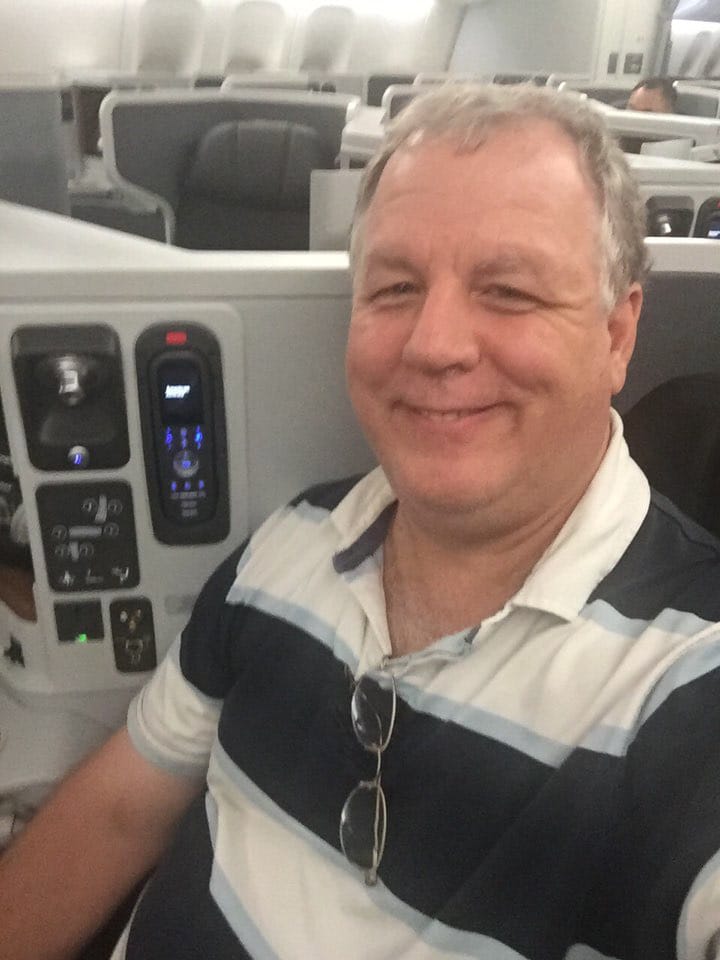
Hi, I'm Tim Hewitt
CEO of AuthorHub.io
I won my first writing scholarship in high school by beating more than 300 other writers in a nationwide contest, and that award gave me something money couldn't buy: the belief that my words mattered. Since then I've spent decades learning what makes writing work: how to find your voice, how to keep readers turning pages, marketing that really sells books, and how to spot the small craft problems that quietly sink good stories. This blog is where I share everything I've picked up along the way.